
Known for
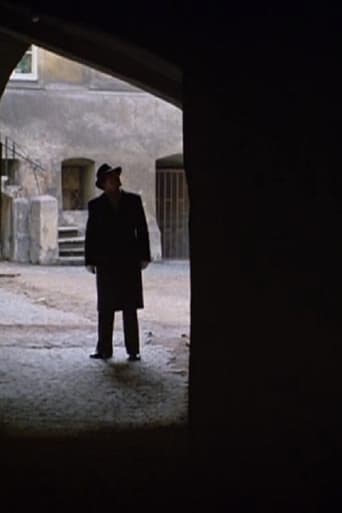 NR
NRThe “Raging Reporter” Egon Erwin Kisch (1885-1948) was one of the most significant journalists of the 1920s and 30s. He wrote from a communist point of view, in language that sparkled with humor. Historic photographs and footage describe Kisch’s eventful journalistic and political life, which brought him to important cities including Berlin, Moscow, Sydney, and New York.
Do You Know Where Herr Kisch Is?
1985
No synopsis available yet.
Ich war ein glücklicher Mensch
1990
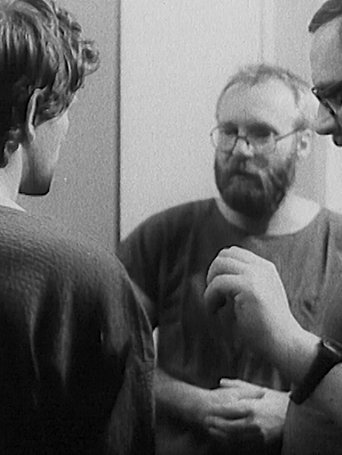 NR
NRThe life stories of four people struggling with alcohol addiction allow for conversations about the apparent "normalcy" of alcohol and the subsequent difficulty of recognizing it as a potentially dangerous drug. The documentary stresses that alcoholism is a disease which must be treated medically and socially. Instead of turning a blind eye to others' problems, it is important to realize that people of all ages, genders, and social backgrounds can potentially be affected and that both the individual and society share responsibility for preventing relapse to alcohol abuse.
Rückfällig
1988
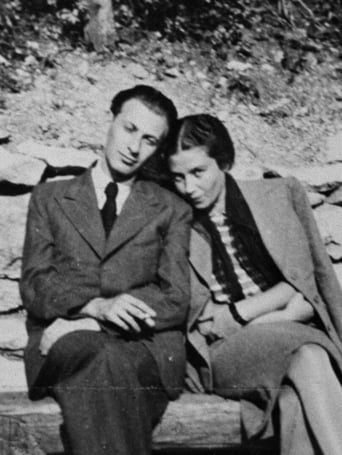 NR
NRDocumentary short about Hungarian poet Miklós Radnóti (1909-1944).
Radnóti
1985
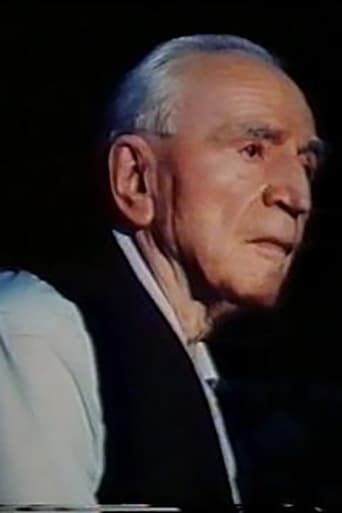 NR
NRMartin Brandt (1903-1989), an unforgettable Jewish actor and former member of the Jewish Kulturbund Theater in Berlin, recites from Macbeth and Nathan the Wise, the play that opened the theater in October 1933. These last filmic images of Brandt are combined with historic footage and traces of the Jewish past in Berlin.
Traces
1989
 NR
NRArticles of former East Germany from household items to flags are thrown away at a garbage dump outside of East Berlin, serving as a reminder of a state that no longer exists. In this gesture of breaking ties with the past, the film captures the dumping ground as the last burial site of a society and the absurdity of time and existence.
Eastern Landscape
1991
Film credits
1980s · 2 titles
 NR
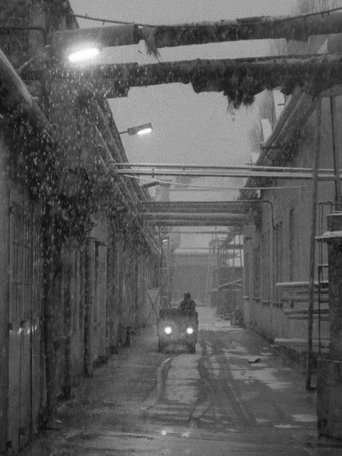
NREberhard Kunstmann, a shipbuilder at the Neptune Wharf in Rostock, counsels collegues who are struggling with alchohol addiction.
Abhängig
1984
 10.0
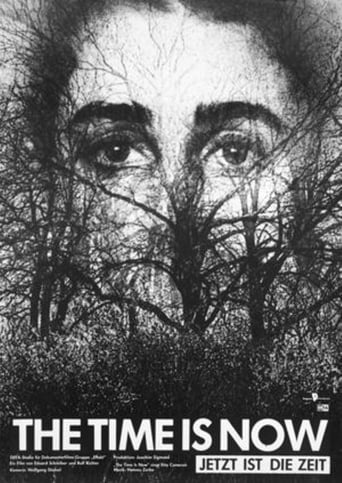
10.0A film on the subject of peace. The authors' discussion partners, who contribute their own reflections and assessments to the film, are the translator Georgia Peet, the toxicologist and chemist Prof. Dr. Karlheinz Lohs, the pastor Jan Laser, the stonemason Ralph Jeremias and Major General Hans Unterdörfel.
The Time Is Now - Jetzt ist die Zeit
1987
Behind the camera
NRThe “Raging Reporter” Egon Erwin Kisch (1885-1948) was one of the most significant journalists of the 1920s and 30s. He wrote from a communist point of view, in language that sparkled with humor. Historic photographs and footage describe Kisch’s eventful journalistic and political life, which brought him to important cities including Berlin, Moscow, Sydney, and New York.
Do You Know Where Herr Kisch Is?
1985
NRThe “Raging Reporter” Egon Erwin Kisch (1885-1948) was one of the most significant journalists of the 1920s and 30s. He wrote from a communist point of view, in language that sparkled with humor. Historic photographs and footage describe Kisch’s eventful journalistic and political life, which brought him to important cities including Berlin, Moscow, Sydney, and New York.
Do You Know Where Herr Kisch Is?
1985
No synopsis available yet.
Ich war ein glücklicher Mensch
1990
No synopsis available yet.
Ich war ein glücklicher Mensch
1990
NRThe life stories of four people struggling with alcohol addiction allow for conversations about the apparent "normalcy" of alcohol and the subsequent difficulty of recognizing it as a potentially dangerous drug. The documentary stresses that alcoholism is a disease which must be treated medically and socially. Instead of turning a blind eye to others' problems, it is important to realize that people of all ages, genders, and social backgrounds can potentially be affected and that both the individual and society share responsibility for preventing relapse to alcohol abuse.
Rückfällig
1988
NRThe life stories of four people struggling with alcohol addiction allow for conversations about the apparent "normalcy" of alcohol and the subsequent difficulty of recognizing it as a potentially dangerous drug. The documentary stresses that alcoholism is a disease which must be treated medically and socially. Instead of turning a blind eye to others' problems, it is important to realize that people of all ages, genders, and social backgrounds can potentially be affected and that both the individual and society share responsibility for preventing relapse to alcohol abuse.
Rückfällig
1988
NRDocumentary short about Hungarian poet Miklós Radnóti (1909-1944).
Radnóti
1985
NRMartin Brandt (1903-1989), an unforgettable Jewish actor and former member of the Jewish Kulturbund Theater in Berlin, recites from Macbeth and Nathan the Wise, the play that opened the theater in October 1933. These last filmic images of Brandt are combined with historic footage and traces of the Jewish past in Berlin.
Traces
1989
NRArticles of former East Germany from household items to flags are thrown away at a garbage dump outside of East Berlin, serving as a reminder of a state that no longer exists. In this gesture of breaking ties with the past, the film captures the dumping ground as the last burial site of a society and the absurdity of time and existence.
Eastern Landscape
1991
NREberhard Kunstmann, a shipbuilder at the Neptune Wharf in Rostock, counsels collegues who are struggling with alchohol addiction.
Abhängig
1984
NREberhard Kunstmann, a shipbuilder at the Neptune Wharf in Rostock, counsels collegues who are struggling with alchohol addiction.
Abhängig
1984
10.0A film on the subject of peace. The authors' discussion partners, who contribute their own reflections and assessments to the film, are the translator Georgia Peet, the toxicologist and chemist Prof. Dr. Karlheinz Lohs, the pastor Jan Laser, the stonemason Ralph Jeremias and Major General Hans Unterdörfel.
The Time Is Now - Jetzt ist die Zeit
1987
10.0A film on the subject of peace. The authors' discussion partners, who contribute their own reflections and assessments to the film, are the translator Georgia Peet, the toxicologist and chemist Prof. Dr. Karlheinz Lohs, the pastor Jan Laser, the stonemason Ralph Jeremias and Major General Hans Unterdörfel.
The Time Is Now - Jetzt ist die Zeit
1987
Documentary film.
Zone M
2000
Documentary film.
Lange nach der Schlacht
1996