
Directing
Eddie Wong
Known for
Directing
Credits
7 titles
One of the founders of Visual Communications, the nation’s premier Asian Pacific American media arts center, Eddie Wong earned his MFA degree in film directing at UCLA, where he produced and directed several documentaries for Visual Communications from 1970 to 1977, including WONG SINSAANG, CHINATOWN 2-STEP, AND PIECES OF A DREAM.
Known for
Following the Watts Uprising, UCLA’s School of Theater, Film and Television enacted affirmative action policies to increase the enrollment of students of color in its film program—a group that had historically been underrepresented in the student population. The “ethno-communications” initiative to recruit students from Black, Asian, Chicano and Native American communities took on a movement of its own, when a critical mass of Black student filmmakers emerged known as the “L.A. Rebellion.” Includes interviews with Ben Caldwell, Larry Clark, Sandy Osawa, Eddie Wong and more.
LA Rebellion: A Cinematic Movement
—
 NR
Short film produced by Visual Communications, the United States first Asian American film production company. Preserved by the Academy Film Archive in 2012.
Wong Singsaang
1971
 NR
A lyrical, expressive film history of Asian Pacific Americans on the Sacramento River delta.
Pieces of a Dream
1974
 NR
Capturing the all-American fervor of parade competition, CHINATOWN 2-STEP profiles the Los Angeles Chinese Drum and Bugle Corps, an important fixture of the Chinese American community.
Chinatown 2-Step
1975
 NR
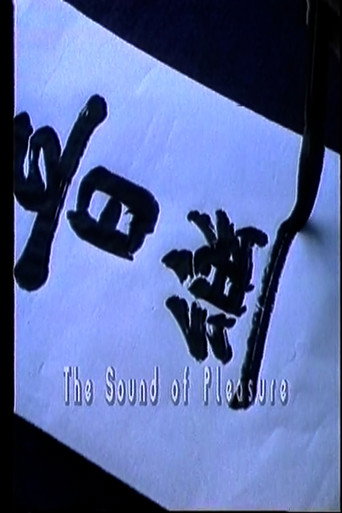
Visual Communications co-founder Eddie Wong profiles Chinese musical traditions as they are transplanted and flourishing through three generations of Chinese American musicians in San Francisco. The film follows the evolution of traditional Chinese music in the United States using a diverse range of interview and performance footage, ranging from traditional Chinese opera and Cantonese music groups like the Chung Wah Music Club to the influences of contemporary experimental and modern jazz composers as Jon Jang.
The Sound of Pleasure
1990
Film credits
Behind the camera
NRShort film produced by Visual Communications, the United States first Asian American film production company. Preserved by the Academy Film Archive in 2012.
Wong Singsaang
1971
NRShort film produced by Visual Communications, the United States first Asian American film production company. Preserved by the Academy Film Archive in 2012.
Wong Singsaang
1971
NRA lyrical, expressive film history of Asian Pacific Americans on the Sacramento River delta.
Pieces of a Dream
1974
NRA lyrical, expressive film history of Asian Pacific Americans on the Sacramento River delta.
Pieces of a Dream
1974
NRCapturing the all-American fervor of parade competition, CHINATOWN 2-STEP profiles the Los Angeles Chinese Drum and Bugle Corps, an important fixture of the Chinese American community.
Chinatown 2-Step
1975
NRVisual Communications co-founder Eddie Wong profiles Chinese musical traditions as they are transplanted and flourishing through three generations of Chinese American musicians in San Francisco. The film follows the evolution of traditional Chinese music in the United States using a diverse range of interview and performance footage, ranging from traditional Chinese opera and Cantonese music groups like the Chung Wah Music Club to the influences of contemporary experimental and modern jazz composers as Jon Jang.
The Sound of Pleasure
1990