
Production
Lawrence Pitkethly
Known for
Production
Credits
5 titles
Known for
 NR
NROn 28 February 2009 Kaing Guek Eav, alias Duch, appeared in the ECCC courtroom and made a two-hour speech where he asked for forgiveness for the appalling torture and execution of at least 13,000 prisoners at Tuol Sleng and probably more in the security camps of M-13 and M-99. Until this date, with the exception of a handful of judges, lawyers and a priest, he had not been seen or heard of for the last thirty years. How did a man, known to be kind and generous to fellow students, possibly transform himself into Comrade Duch, the Khmer Rouge's infamous executioner? This documentary revisits and searches for clues. (Storyville)
Comrade Duch: The Bookkeeper of Death
2011
 10.0
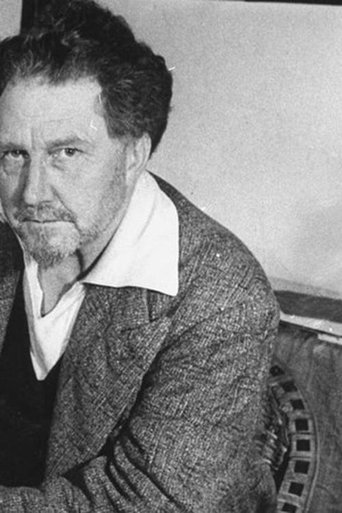
10.0No synopsis available yet.
Ezra Pound: American Odissey
1985
 8.0
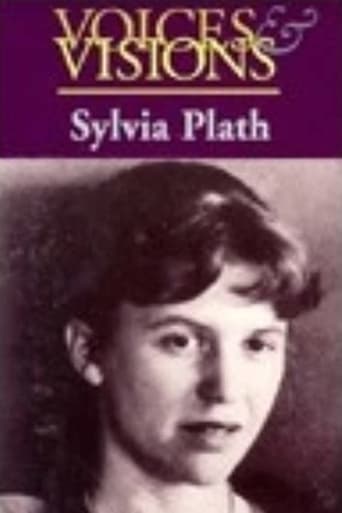
8.0In this documentary you will follow in considerable (and sometimes excruciatingly painful) detail Plath's life from her childhood in Massachusetts to her suicide, at age 30, in London in 1963. Included are the candid recollections of her mother, Aurelia Plath, and such aquaintances as Clarissa Roche and Dido Merwin. Providing perspectives on Plath's work are A. Alvarez, a critic, and Sandra M. Gilbert, a feminist scholar and herself a poet.
Voices & Visions: Sylvia Plath
1988
 NR
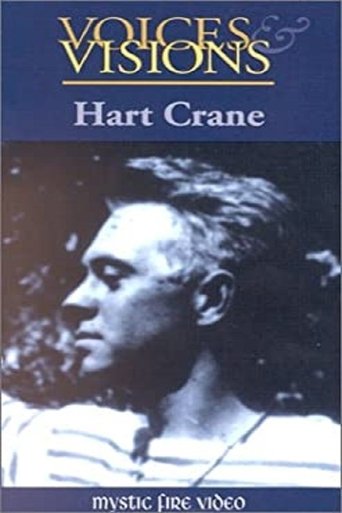
NRHart Crane’s reputation rests primarily on his extraordinary craftsmanship and sweeping vision. In The Bridge, Crane set out to write an American epic that unified past and present, East and West, myth and reality. Crane’s poetic vision, based on views that alcoholic and sexual excesses were a way to achieve a perception of unity of all things, led to self-destructive behavior, and his short, turbulent life ended in suicide.
Voices & Visions: Hart Crane
—
T. S. Eliot has been considered by many to be the leading American poet of this century. His contemporaries in the 1920s recognized in “The Waste Land” an expression of the exhaustion and fragmentation that afflicted so many in that post-war era. They also recognized the originality of Eliot’s poetic technique and admired his insistence on the need for spiritual values in an age of popular kitsch.
Voices & Visions: T.S. Eliot
—
Behind the camera
NROn 28 February 2009 Kaing Guek Eav, alias Duch, appeared in the ECCC courtroom and made a two-hour speech where he asked for forgiveness for the appalling torture and execution of at least 13,000 prisoners at Tuol Sleng and probably more in the security camps of M-13 and M-99. Until this date, with the exception of a handful of judges, lawyers and a priest, he had not been seen or heard of for the last thirty years. How did a man, known to be kind and generous to fellow students, possibly transform himself into Comrade Duch, the Khmer Rouge's infamous executioner? This documentary revisits and searches for clues. (Storyville)
Comrade Duch: The Bookkeeper of Death
2011
10.0No synopsis available yet.
Ezra Pound: American Odissey
1985
8.0In this documentary you will follow in considerable (and sometimes excruciatingly painful) detail Plath's life from her childhood in Massachusetts to her suicide, at age 30, in London in 1963. Included are the candid recollections of her mother, Aurelia Plath, and such aquaintances as Clarissa Roche and Dido Merwin. Providing perspectives on Plath's work are A. Alvarez, a critic, and Sandra M. Gilbert, a feminist scholar and herself a poet.
Voices & Visions: Sylvia Plath
1988
NRHart Crane’s reputation rests primarily on his extraordinary craftsmanship and sweeping vision. In The Bridge, Crane set out to write an American epic that unified past and present, East and West, myth and reality. Crane’s poetic vision, based on views that alcoholic and sexual excesses were a way to achieve a perception of unity of all things, led to self-destructive behavior, and his short, turbulent life ended in suicide.
Voices & Visions: Hart Crane
—
T. S. Eliot has been considered by many to be the leading American poet of this century. His contemporaries in the 1920s recognized in “The Waste Land” an expression of the exhaustion and fragmentation that afflicted so many in that post-war era. They also recognized the originality of Eliot’s poetic technique and admired his insistence on the need for spiritual values in an age of popular kitsch.
Voices & Visions: T.S. Eliot
—