
Directing
Katsuhiko Fukuda
Born — Died
1943-07-17 — 1998-01-12
Known for
Directing
Credits
6 titles
Known for
A record of the flight obstruction struggle of October 21, 1979, and a national rally of March that year. Activists advance toward the runway in the Iwayama district on the south side; the planes stop. The title comes from a speech by Tomura Issaku, leader of the Opposition Alliance, quoting scripture: “Heaven is violently attacked, and those who attack it seize it.” Heaven, he argues, is not in the afterlife – it is here, inside the airport, to be taken back. The film moves between rallies, marches, and direct action.
Sanrizuka Notes 2: The Sky is Under a Violent Attack
1979
 NR
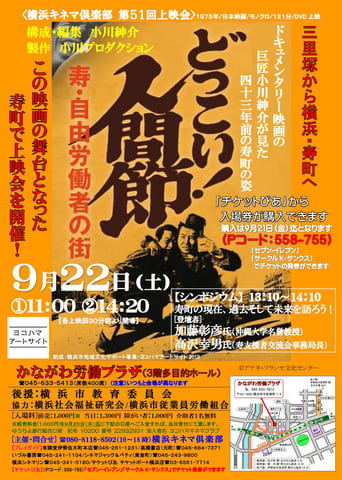
After the waning of the protests in Sanrizuka, Ogawa Pro started questioning the future of the collective and looking for other subjects to film. Following the method developed in the previous films, the filmmakers moved to the slum of Kotobuchi in the port city of Yokohama, where more than 6000 people were struggling to get by without any means of survival, exposed to industrial accidents and diseases. The result is one of the most moving films produced by the collective, a series of beautifully filmed portraits, voicing the silenced stories and songs of a group of people living in this community. Credit: ICA London
Dokkoi! Songs from the Bottom
1975
Sanrizuka, 1979. Refusing state subsidies and government water projects, farmers of the Opposition Alliance build their own windmill to pump irrigation water from two wells drilled 275 metres into the earth. The film follows the collective construction – designing, welding, testing, failing, rebuilding – until its blades carry water to the seven farms still resisting.
Sanrizuka Notes 1: Sanrizuka Has Its Own Agriculture, In Kinone the Wind Blows from the Roots
1979
 NR
A documentary that explores the life history of an 84 year old woman.
A Grasscutter's Tale
1985
 NR
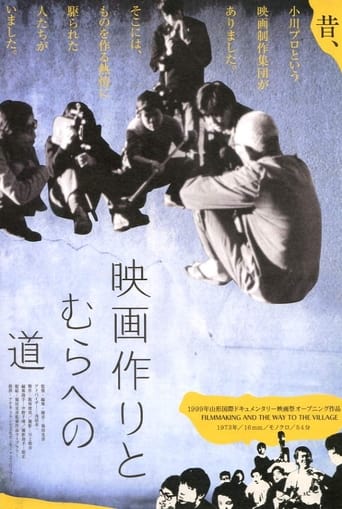
This film was directed by a member of the Ogawa collective, Fukuda Katsuhiko, while they were finishing the documentary Sanrizuka: Heta Village. Fukuda left the collective after this film and continued making documentaries in the village of Heta. Credit: ICA London
Filmmaking and the Way to the Village
1973
 NR
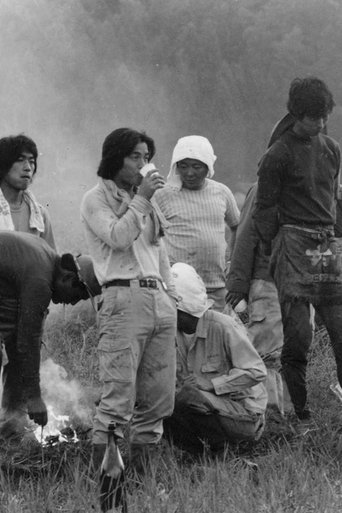
The film portrays Sanrizuka’s resistance through the lens of an everyday peasant’s life, remaining true to their perspectives as they reorganise and place agricultural issues at the heart of their continued struggle.
Sanrizuka Notes 3—The March of the Earth
1981
Behind the camera
A record of the flight obstruction struggle of October 21, 1979, and a national rally of March that year. Activists advance toward the runway in the Iwayama district on the south side; the planes stop. The title comes from a speech by Tomura Issaku, leader of the Opposition Alliance, quoting scripture: “Heaven is violently attacked, and those who attack it seize it.” Heaven, he argues, is not in the afterlife – it is here, inside the airport, to be taken back. The film moves between rallies, marches, and direct action.
Sanrizuka Notes 2: The Sky is Under a Violent Attack
1979
NRAfter the waning of the protests in Sanrizuka, Ogawa Pro started questioning the future of the collective and looking for other subjects to film. Following the method developed in the previous films, the filmmakers moved to the slum of Kotobuchi in the port city of Yokohama, where more than 6000 people were struggling to get by without any means of survival, exposed to industrial accidents and diseases. The result is one of the most moving films produced by the collective, a series of beautifully filmed portraits, voicing the silenced stories and songs of a group of people living in this community. Credit: ICA London
Dokkoi! Songs from the Bottom
1975
Sanrizuka, 1979. Refusing state subsidies and government water projects, farmers of the Opposition Alliance build their own windmill to pump irrigation water from two wells drilled 275 metres into the earth. The film follows the collective construction – designing, welding, testing, failing, rebuilding – until its blades carry water to the seven farms still resisting.
Sanrizuka Notes 1: Sanrizuka Has Its Own Agriculture, In Kinone the Wind Blows from the Roots
1979
NRA documentary that explores the life history of an 84 year old woman.
A Grasscutter's Tale
1985
NRThis film was directed by a member of the Ogawa collective, Fukuda Katsuhiko, while they were finishing the documentary Sanrizuka: Heta Village. Fukuda left the collective after this film and continued making documentaries in the village of Heta. Credit: ICA London
Filmmaking and the Way to the Village
1973
NRThe film portrays Sanrizuka’s resistance through the lens of an everyday peasant’s life, remaining true to their perspectives as they reorganise and place agricultural issues at the heart of their continued struggle.
Sanrizuka Notes 3—The March of the Earth
1981