
Directing
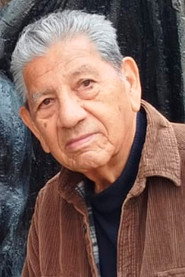
Nelson García Miranda
Known for
Directing
Credits
28 titles
(Lobitos, Piura - 1943). Filmmaker, critic, and promoter. He has directed more than twenty short films, including Bombón Coronado, campeón, Canción para un cine cerrado, El chicle, Cordero y Velarde Inca, Francisco Gonzáles Gamarra, La rebelión de las tapadas, Serie negra, and La tapada y la rabona, among others. He has received numerous awards at national and international film festivals. An active member of the Peruvian film guild, he served as President of the Peruvian Filmmakers Association from 1991 to 1992. During his tenure, the First Congress of Cinematography was held. He also represented filmmakers on the Board of Directors of CONACINE (National Council of Filmmakers).
Known for
 NR
Exhibition of optical toys that were precursors to the invention of cinema, in which the recomposition of movement, which is the basis of the art of animation, had already been achieved, and presentation of the pre-Columbian myth Cuniraya made by animation of drawings with dissolves.
Animatógrafo
1989
History of this food created by Peruvians before the Incas and its introduction to Europe saving the old continent from famine and its spread throughout the world.
La Papa
1976
Report on the outcrops of liquid sodium chloride forming lagoons in the town of Huacho and its industrial transformation into salt for human consumption.
Las Salinas
1979
News from Peru.
Noti Salud
1985
The sea as a determining factor in the life and history of the port of Callao.
Callao Querido
1977
An approach to the black and white pictorial work of the visual artist Jorge Castilla Bambarén.
Serie Negra
1991
Behind the camera
NRExhibition of optical toys that were precursors to the invention of cinema, in which the recomposition of movement, which is the basis of the art of animation, had already been achieved, and presentation of the pre-Columbian myth Cuniraya made by animation of drawings with dissolves.
Animatógrafo
1989
History of this food created by Peruvians before the Incas and its introduction to Europe saving the old continent from famine and its spread throughout the world.
La Papa
1976
Report on the outcrops of liquid sodium chloride forming lagoons in the town of Huacho and its industrial transformation into salt for human consumption.
Las Salinas
1979
News from Peru.
Noti Salud
1985
The sea as a determining factor in the life and history of the port of Callao.
Callao Querido
1977
An approach to the black and white pictorial work of the visual artist Jorge Castilla Bambarén.
Serie Negra
1991
Problems and possibilities for future development of the Arequipa department in the face of the scarcity of water useful for agricultural work and generation of electricity, addressed in the regionalization policy undertaken by the government of Alan García.
Región Arequipa
1990
Problems and possibilities for future development of the departments of Moquegua, Tacna and Puno in the face of the scarcity of water useful for agricultural work and generation of electricity addressed in the regionalization policy undertaken by the government of Alan García.
Región Mariátegui
1990
 NR
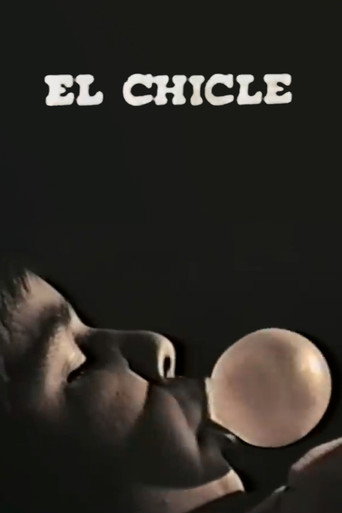
Animated film, combined with live-action film, a child is tormented by chewing gum after the birthday party is over.
El Chicle
1982
An old, self-taught car washer sets traps to prevent customers from getting away.
El Limpia Autos
1983
Documentary photo of two types of Peruvian women who lived in the same era but had different roles: the veiled woman from viceregal Lima who covered herself with beautiful dresses and veils, and the rabona, an Andean woman who walked behind the independence rebels supporting them in everything.
La Tapada y La Rabona
1982
 NR
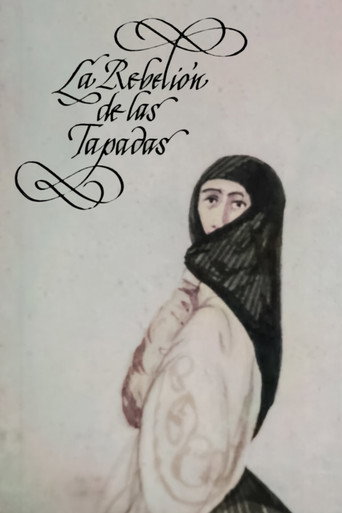
In commemoration of International Women's Day, a short film set in 19th-century Lima tells the story of the "tapadas," women who, hidden beneath their skirts and shawls, defied social norms by finding freedom and independence in anonymity. Admired by artists and chroniclers for their audacity and charm, these women transformed the city into a space of female liberation, despite condemnation from the Church, authorities, and the medical establishment, which attempted to prohibit their clothing and behavior. Through their own voices, the film reconstructs their resistance against these impositions, revealing a silent struggle where identity, desire, and rebellion intertwine in the streets of Lima.
La Rebelión de las Tapadas
1981
Numismatics as a historical source in the reconstruction of the Peru-Bolivian Confederation period (1836-1839).
Acuñando Historia III: Monedas de la Confederación Perú-Boliviana
1983
Bandits disguised as soccer players smuggle a ball into a jewelry store, which they then use as an opportunity to rob and loot it. Female police officers playing volleyball nearby notice the robbery and chase the criminals, resulting in a shootout between the soccer players and the volleyball players.
Se Sienten Pasos
1989
The importance of toys in education and the formation of a child's personality; children's work is to play.
El Olvidado Espíritu del Juguete
1984
 NR
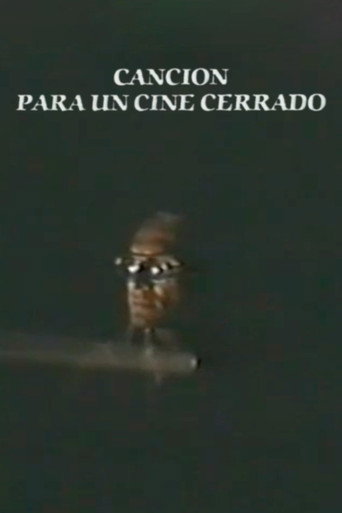
Tribute to the old and closed movie theater palaces in Lima (Perú) and to the movie going rituals of the fifties.
Canción para un cine cerrado
1988
Reconstruction of the presence of Marshal Ramón Castilla (1797-1867), during the time he held the Presidency of the country, through the coins he issued and the economic boom thanks to the guano of the islands.
Acuñando Historia IV: Ramón Castilla y las Monedas de la Reconstrucción
1987
An approach to the work of the painter Jaime Vásquez, especially his collection entitled “Agony in the port” in which he expresses the ecological drama of the pollution of the sea of Chimbote for having been turned into the dump of mineral and fishing waste that are the two major lines of the industrial development of that area.
Agonía en el puerto
1991
 NR
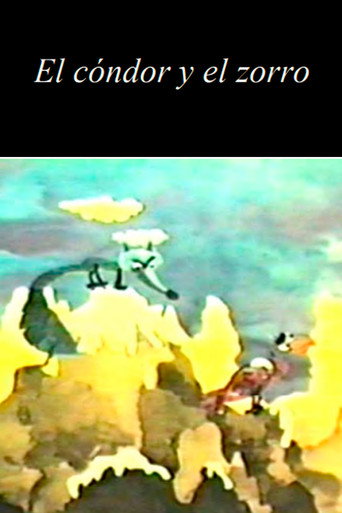
Based on Andean legends, it's about the fights between the condor and fox that put nature in danger.
El Cóndor y el Zorro
1979
Photographic portrait of the life of Don Pedro Cordero y Velarde (1885-1961), composer of operas with Inca themes, who after an emotional crisis became alienated and moved definitively to the lost paradise of the Inca Empire, proclaimed himself Inca and walked around Lima in the 1950s dressed as an operetta Inca, announcing that he would solve the problems of the poor and helpless with his edicts in the name of the sun god.
Cordero y Velarde Inca
1987
Unexpected sinful situations arise for a group of students in a classroom, after they have confessed to a priest.
La Confesión Escolar
1983
Life, pictorial work and musical work of the Cuzco artist Don Francisco González Gamarra (1890-1972), in the collection kept by the family.
Francisco Gonzáles Gamarra
1987
Documentary about Jose "Bombón Coronado"
Bom Bom Coronado, Campeón
1974
 NR
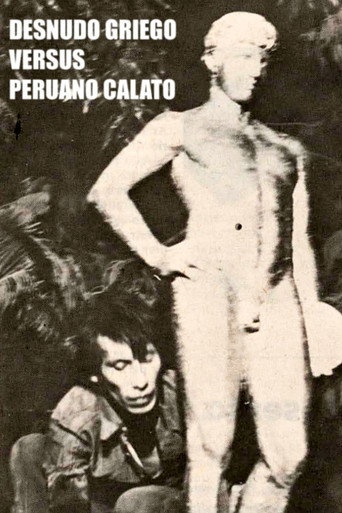
A miserable cart driver who earns a living collecting garbage and waste, steals a bronze statue of the god Apollo one night, sells it and changes his economic situation.
Desnudo Griego Versus Peruano Calato
1981
 NR
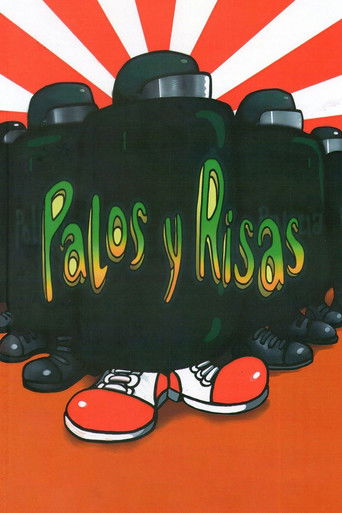
In a town of violence and crime, a policeman works sternly. But with his cheerful, outgoing personality, he becomes the clown TRAMPOLIN.
Palos y risas
2016
NRIn a town of violence and crime, a policeman works sternly. But with his cheerful, outgoing personality, he becomes the clown TRAMPOLIN.
Palos y risas
2016
The affectionate relationship that a grandfather and his granddaughter have for the family's old car.
Baladas Musicales: Perejil
1990
A prostitute meets her lover, an escaped prisoner disguised as a woman. Once his location is discovered, the criminal once again outsmarts his pursuers, this time in a woman's suit and makeup.
Fuga en Faldas
1985