
Camera
Werner Kohlert
Born
1939-07-31 (87)
Place of birth
Pirna, Germany
Known for
Camera
Credits
9 titles
Werner Kohlert is a German cinematographer.
Known for
The annual production conference, speeches by functionaries and silence of the workers while they are waiting to descent into the pit. Talking of the unimportant, what really should be said remains unspoken of. A suffocating closeness to reality conserved a part of history that remains ageless though impressive images.
Miners
1987
Angela Davis visited the GDR in late summer 1972. For months, people all over the world had fought for her release. In Berlin, Leipzig, and Magdeburg, children were able to see Angela Davis, talk to her, and present her with flowers and gifts.
Für Angela
1972
 NR
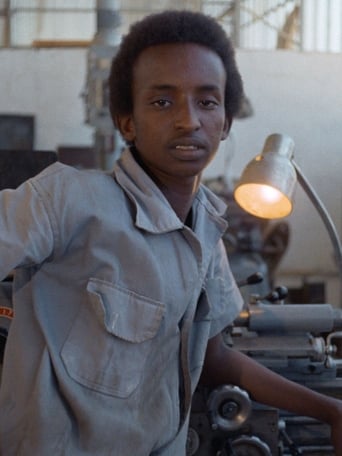
East German documentary short about Somalia in 1976.
Somalia - Die große Anstrengung
1977
With excerpts from Goethe's diary, sketches and engravings, this film follows Goethe's Italian Journey through Rome, Naples and Pompeii.
Die italienische Reise von Johann Wolfgang von Goethe
1982
 NR
A documentary crew follows the December 1978 “big repair” at the Bernburg (Saale) cement works, normally shut only for maintenance, where management has cut the planned 16-day turnaround to 14, with a 15 000 M bonus (rising to 20 000 M if finished a day early). As cameras roll through cement dust, crew and workers discuss the twice-yearly overhaul, familiar crews, and gritty camaraderie. They learn that chronic spare-parts shortages force constant improvisation, and that bureaucratic red tape weighs heavier than the hardest labor. Amid pride in their long-running plant, workers confess simple hopes for health, peace, and family. By film’s end, the crew realizes the true “core” of the factory lies not in its machinery, but in its people’s hands and minds.
Reparaturbrigade Zementwerk
1979
Behind the camera
The annual production conference, speeches by functionaries and silence of the workers while they are waiting to descent into the pit. Talking of the unimportant, what really should be said remains unspoken of. A suffocating closeness to reality conserved a part of history that remains ageless though impressive images.
Miners
1987
Angela Davis visited the GDR in late summer 1972. For months, people all over the world had fought for her release. In Berlin, Leipzig, and Magdeburg, children were able to see Angela Davis, talk to her, and present her with flowers and gifts.
Für Angela
1972
Angela Davis visited the GDR in late summer 1972. For months, people all over the world had fought for her release. In Berlin, Leipzig, and Magdeburg, children were able to see Angela Davis, talk to her, and present her with flowers and gifts.
Für Angela
1972
NREast German documentary short about Somalia in 1976.
Somalia - Die große Anstrengung
1977
With excerpts from Goethe's diary, sketches and engravings, this film follows Goethe's Italian Journey through Rome, Naples and Pompeii.
Die italienische Reise von Johann Wolfgang von Goethe
1982
With excerpts from Goethe's diary, sketches and engravings, this film follows Goethe's Italian Journey through Rome, Naples and Pompeii.
Die italienische Reise von Johann Wolfgang von Goethe
1982
NRA documentary crew follows the December 1978 “big repair” at the Bernburg (Saale) cement works, normally shut only for maintenance, where management has cut the planned 16-day turnaround to 14, with a 15 000 M bonus (rising to 20 000 M if finished a day early). As cameras roll through cement dust, crew and workers discuss the twice-yearly overhaul, familiar crews, and gritty camaraderie. They learn that chronic spare-parts shortages force constant improvisation, and that bureaucratic red tape weighs heavier than the hardest labor. Amid pride in their long-running plant, workers confess simple hopes for health, peace, and family. By film’s end, the crew realizes the true “core” of the factory lies not in its machinery, but in its people’s hands and minds.
Reparaturbrigade Zementwerk
1979