
Acting
Heorhiy Astafyev
Known for
Acting
Credits
9 titles
Known for
 8.0
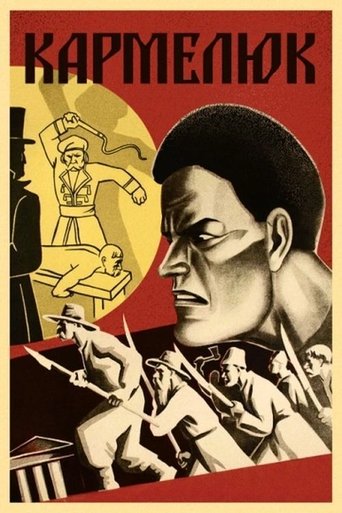
8.0About the uprising of Ukrainian peasants under the leadership of the national hero Karmelyuk against landowners and Polish gentry. In the 1830s, Young Count Piglovsky returns to his estate from Paris. The carriage in which he is riding is surrounded by rebellious peasants. Their attempt to hang the master is canceled almost at the last moment, because it is not the count in the carriage, but his lackey - Ustym Karmelyuk. Ustym really serves as a lackey in the count's house and at the same time leads a peasant uprising. The government sends the army. In a fierce fight, Karmelyuk is almost captured, but he is saved by one of the serfs.
Karmelyuk
1931
 6.4
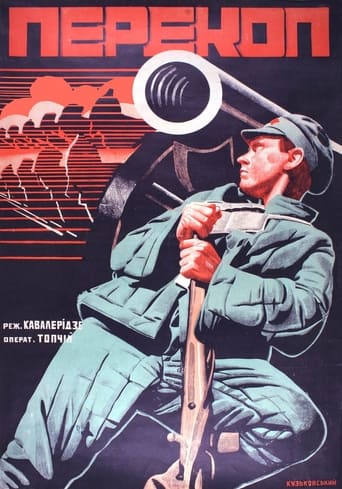
6.4This revolutionary epic likens the push for industrialization of Soviet Ukraine with the battle for Perekop during the Civil War. A missing plow blade is presented as a symbol of the country's backward peasant economy that needs to be transformed in the course of the industrial construction. In an onslaught of rapidly changing images, Ukrainian village with its peasants suspicious of everything new, dramatically collides with the frenzy of working factories, plants, and mines.
Perekop
1930
 5.8
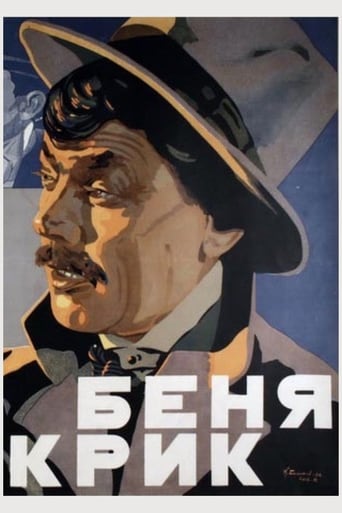
5.8The seamy Jewish underworld of Odesa is the setting for Isaac Babel's story based on the life of gangster king Mishka Yaponchik "Mike the Jap" Vinnitsky. Murder is a way of life for Benya and his gang until he finds himself ensnared in a Bolshevik trap.
Benya Krik
1926
 NR
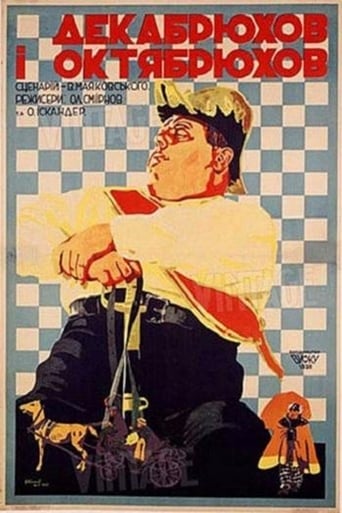
NRThe bourgeois wedding of Dekabryukhova is interrupted by the machine-gun fire of revolution. He flees abroad, leaving his wife. Oktyabryukhov stays and adapts to the new life. At the end of the picture there is an attempt at universal reconciliation and the poet's tormenting theme "three-way love". Dekabryuhov returns to his homeland. His wife is already married to Oktyabryukhov. Having learned about it, Dekabryukhov tries to leave, but the newlyweds force him to stay.
Oktyabryuhov and Dekabryuhov
1928
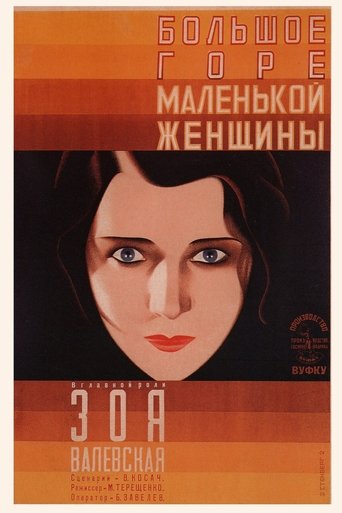 NR
NRLost movie.
The Big Sorrow of a Small Woman
1929
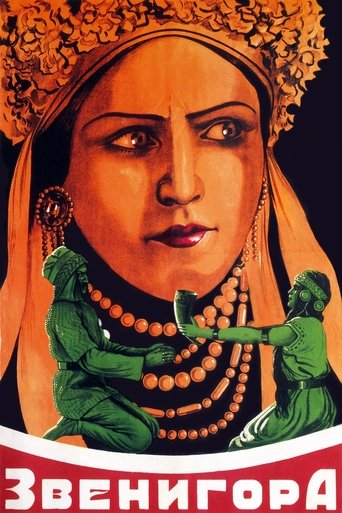 6.3
6.3An old man tells his grandson of a legendary treasure buried beneath the hills of Zvenigora, setting in motion a sweeping cinematic poem that intertwines Ukrainian folklore, history, and revolution.
Zvenigora
1928
Film credits
1930s · 3 titles
8.0About the uprising of Ukrainian peasants under the leadership of the national hero Karmelyuk against landowners and Polish gentry. In the 1830s, Young Count Piglovsky returns to his estate from Paris. The carriage in which he is riding is surrounded by rebellious peasants. Their attempt to hang the master is canceled almost at the last moment, because it is not the count in the carriage, but his lackey - Ustym Karmelyuk. Ustym really serves as a lackey in the count's house and at the same time leads a peasant uprising. The government sends the army. In a fierce fight, Karmelyuk is almost captured, but he is saved by one of the serfs.
Karmelyuk
1931
6.4This revolutionary epic likens the push for industrialization of Soviet Ukraine with the battle for Perekop during the Civil War. A missing plow blade is presented as a symbol of the country's backward peasant economy that needs to be transformed in the course of the industrial construction. In an onslaught of rapidly changing images, Ukrainian village with its peasants suspicious of everything new, dramatically collides with the frenzy of working factories, plants, and mines.
Perekop
1930
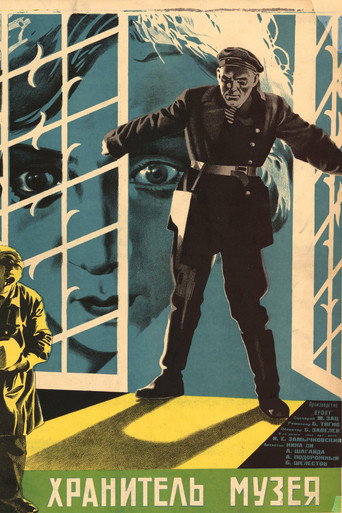 NR
NRA Soviet propaganda film. The director of the Museum of Ukrainian Culture, Professor Kornienko, stays away from politics and tries to work with his daughter in what he considers to be "pure" science. That is why he treats the revolutionary events as an unfortunate but passing phenomenon. His main concern is to preserve the heritage of the people at all costs, even by smuggling some of it abroad. Gradually (not without the influence of the Red Commissar and his own daughter), Professor Kornienko comes to the conclusion that the revolution is not an enemy of culture.
The Museum Guard
1930
1920s · 6 titles
5.8The seamy Jewish underworld of Odesa is the setting for Isaac Babel's story based on the life of gangster king Mishka Yaponchik "Mike the Jap" Vinnitsky. Murder is a way of life for Benya and his gang until he finds himself ensnared in a Bolshevik trap.
Benya Krik
1926
NRThe bourgeois wedding of Dekabryukhova is interrupted by the machine-gun fire of revolution. He flees abroad, leaving his wife. Oktyabryukhov stays and adapts to the new life. At the end of the picture there is an attempt at universal reconciliation and the poet's tormenting theme "three-way love". Dekabryuhov returns to his homeland. His wife is already married to Oktyabryukhov. Having learned about it, Dekabryukhov tries to leave, but the newlyweds force him to stay.
Oktyabryuhov and Dekabryuhov
1928
NRLost movie.
The Big Sorrow of a Small Woman
1929
6.3An old man tells his grandson of a legendary treasure buried beneath the hills of Zvenigora, setting in motion a sweeping cinematic poem that intertwines Ukrainian folklore, history, and revolution.
Zvenigora
1928
 NR
NRThe story of a tragic death of a Komsomol detachment in a fight with the Greens during the Civil War.
Trypillian Tragedy
1926
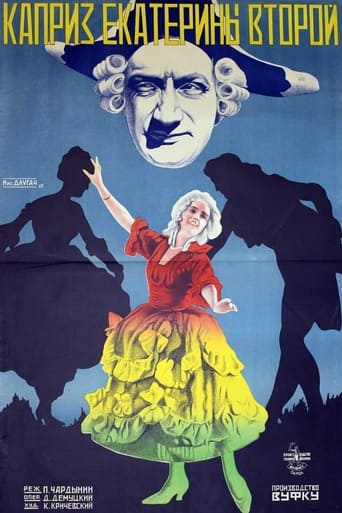 NR
NRThe film is based on V. Yurezanskyi’s novel The Missing Village about the struggle of Ukrainian Cossacks for their freedom during the reign of Catherine II. Free Cossacks from the village of Turbai in Poltava region, who were included in registers of Myrhorod Pact, suddenly find out that at the order of Catherine II they become the property of the Ukrainian landlord, pan Bazylevskyi. He treats Cossacks like his usual serfs. Cossacks ask the empress for help, but receive no reply. Then, they rebel and set Bazylevskyi’s estate on fire. The owner and his family die during the fire. The vengeance of the Russian empress is terrible, as dozens of Cossacks are beaten to death, and the village of Turbai is doomed to destruction. The film is lost.
Caprice of Catherine ІІ
1928