
Acting
Márcia Gastaldi
Known for
Acting
Credits
9 titles
Known for
 8.0
Os Trapalhões was a Brazilian comedy group and also a Brazilian television series created by Wilton Franco. Its members were Dedé Santana, Zacarias, Mussum and their leader Didi Mocó, that was played by Renato Aragão. The name Trapalhões is derived from the Portuguese verb atrapalhar, which means the opposite of helping, to do something the wrong way or to Those that confuse. The name is translated "Tramps" in English DVD subtitles. It was aired by Rede Globo from 1977 to 1999. On March 18, 1990, Zacarias died due to respiratory failure, but the group and the series didn't come to an end until July 29, 1994, when Mussum died due to an unsuccessful heart transplant.
The Trapalhões
1977
 9.0
No synopsis available yet.
Sétimo Sentido
1982
 7.0
The young and rich Patricia, daughter of Ambassador André Dumont's first marriage, is in love with and reciprocated by Luiz Carlos, a poor boy, son of the family's maid, Isolda. Whoever doesn't like to see her with the maid's son is her stepmother, Renata Dumont, André's wife. Renata is an ambitious woman who hides her humble origins and a secret from the past that unites her with Isolda. Career, she married the diplomat André, from a traditional family, with whom she had a son, Lipe.
Mad Love
1983
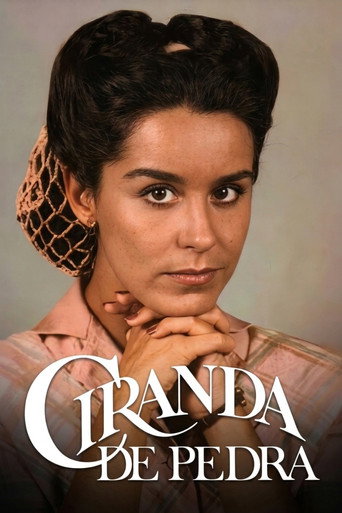 9.0
Set in 1940s São Paulo, the story follows Laura, a modern woman devoted to the arts who is oppressed by her husband, Natércio Prado—a wealthy man with traditional views. Amidst marital turmoil, Laura suffers a severe trauma and is even committed to an asylum by her husband. The couple separates, and the family is torn apart: Laura keeps her youngest daughter, Virgínia, while Natércio retains custody of the other daughters, Otávia and Bruna. Frail and penniless, Laura moves into the Vila Mariana home of her neurologist, Daniel. He is in love with his patient and believes her condition is physical rather than mental. Laura hides the fact that Virgínia is actually Daniel's daughter. The youngest daughter eventually returns to live with her father, where she faces hostility and harshness from the housekeeper, Frau Herta.
Ciranda de Pedra
1981
 9.0
After escaping from a penitentiary, six women begin a trail of passion and death in the search for survival.
As Depravadas
1973
No synopsis available yet.
Um Marciano em Minha Cama
1981
Film credits
1980s · 2 titles

1970s · 3 titles
9.0After escaping from a penitentiary, six women begin a trail of passion and death in the search for survival.
As Depravadas
1973
 8.0
Cícero and Samantha are lovers who are going to spend a "honeymoon" in Teresina. However, the girl dies suddenly and Cicero calls his friend Edgar to help him hide the body. The already complicated situation gets even worse when the car that holds the body is stolen.
Como nos Livrar do Saco
1973
 7.0
Commander Emanuel is a man who dedicates his life to fighting pornography. Going through financial difficulties, he finds himself obliged to rent his house to a college of girls. Over time he will find out that college is actually a house of meetings.
O Libertino
1973
Series credits
8.0Os Trapalhões was a Brazilian comedy group and also a Brazilian television series created by Wilton Franco. Its members were Dedé Santana, Zacarias, Mussum and their leader Didi Mocó, that was played by Renato Aragão. The name Trapalhões is derived from the Portuguese verb atrapalhar, which means the opposite of helping, to do something the wrong way or to Those that confuse. The name is translated "Tramps" in English DVD subtitles. It was aired by Rede Globo from 1977 to 1999. On March 18, 1990, Zacarias died due to respiratory failure, but the group and the series didn't come to an end until July 29, 1994, when Mussum died due to an unsuccessful heart transplant.
The Trapalhões
1977
9.0No synopsis available yet.
Sétimo Sentido
1982
7.0The young and rich Patricia, daughter of Ambassador André Dumont's first marriage, is in love with and reciprocated by Luiz Carlos, a poor boy, son of the family's maid, Isolda. Whoever doesn't like to see her with the maid's son is her stepmother, Renata Dumont, André's wife. Renata is an ambitious woman who hides her humble origins and a secret from the past that unites her with Isolda. Career, she married the diplomat André, from a traditional family, with whom she had a son, Lipe.
Mad Love
1983
9.0Set in 1940s São Paulo, the story follows Laura, a modern woman devoted to the arts who is oppressed by her husband, Natércio Prado—a wealthy man with traditional views. Amidst marital turmoil, Laura suffers a severe trauma and is even committed to an asylum by her husband. The couple separates, and the family is torn apart: Laura keeps her youngest daughter, Virgínia, while Natércio retains custody of the other daughters, Otávia and Bruna. Frail and penniless, Laura moves into the Vila Mariana home of her neurologist, Daniel. He is in love with his patient and believes her condition is physical rather than mental. Laura hides the fact that Virgínia is actually Daniel's daughter. The youngest daughter eventually returns to live with her father, where she faces hostility and harshness from the housekeeper, Frau Herta.
Ciranda de Pedra
1981