

Directing
Virve Koppel
Born — Died
1931-10-07 — 2016-05-26
Place of birth
Tallinn, Estonia
Known for
Directing
Credits
4 titles
Virve Koppel (October 7, 1931 in Tallinn – May 26, 2016) was an Estonian television and film director. In 1956 she graduated from Lunacharsky State Institute for Theatre Arts (GITIS). 1956-1989 she worked as an editor and director at Eesti Televisioon.
Known for
 NR
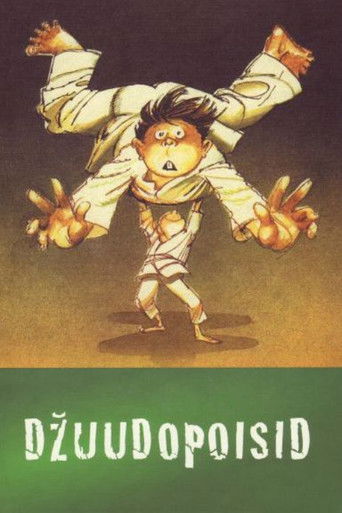
Estonian tv movie adapted from a children's novel.
Judo Boys
1987
 NR
The little witch is already 127 years old, but that's no age for a real witch! She lives with a nice green crow named Aabram in a tiny hut in a thick forest, which, like all other witches' houses, stands on chicken legs. As you can imagine, she is busy all day to learn all the wisdom of the witches. Anyway, the little witch is quite different from the usual fairy tale witches.
The Little Witch
2025
 NR
A documentary about the new Soviet tradition in the Republic of Soviet Estonia in 1960s - the youth summer festival where the 18-year-old young people celebrated becoming an adult. The filmmakers went to the 7th national youth summer festival in Saaremaa island where 18-year-old young people gathered. The festival included going to exhibitions and hiking, helping with haymaking in collective farms, commemoration of the Soviet military heros and many other events. The documentary's forwards the main idea that young people will be the next valuable generation. Voiceover by Heino Mandri.
Pööripäev
1964
 NR
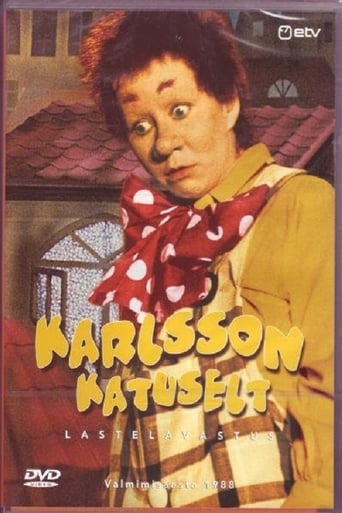
Karlsson is a very short, portly and overconfident man who lives in a small house hidden behind a chimney on the roof of a very ordinary apartment building on a very ordinary street in Stockholm. When Karlsson pushes a button on his stomach, it starts a clever little motor with a propeller on his back, allowing him to fly. Karlsson is the best at everything, at least by his own account. In actual fact there is one thing at which he excels: being a playmate to a young boy named Svante, nicknamed Lillebror (little brother), who lives in the apartment building with his family. Karlsson is quite mischievous, often getting Lillebror in trouble, but everyone in the end – even Lillebror's family, his cranky uncle, and their dour housekeeper – grow to like Karlsson and appreciate his sense of humour, energy, and good nature.
Karlsson-on-the-Roof
1988
Behind the camera
NREstonian tv movie adapted from a children's novel.
Judo Boys
1987
NRThe little witch is already 127 years old, but that's no age for a real witch! She lives with a nice green crow named Aabram in a tiny hut in a thick forest, which, like all other witches' houses, stands on chicken legs. As you can imagine, she is busy all day to learn all the wisdom of the witches. Anyway, the little witch is quite different from the usual fairy tale witches.
The Little Witch
2025
NRA documentary about the new Soviet tradition in the Republic of Soviet Estonia in 1960s - the youth summer festival where the 18-year-old young people celebrated becoming an adult. The filmmakers went to the 7th national youth summer festival in Saaremaa island where 18-year-old young people gathered. The festival included going to exhibitions and hiking, helping with haymaking in collective farms, commemoration of the Soviet military heros and many other events. The documentary's forwards the main idea that young people will be the next valuable generation. Voiceover by Heino Mandri.
Pööripäev
1964
NRKarlsson is a very short, portly and overconfident man who lives in a small house hidden behind a chimney on the roof of a very ordinary apartment building on a very ordinary street in Stockholm. When Karlsson pushes a button on his stomach, it starts a clever little motor with a propeller on his back, allowing him to fly. Karlsson is the best at everything, at least by his own account. In actual fact there is one thing at which he excels: being a playmate to a young boy named Svante, nicknamed Lillebror (little brother), who lives in the apartment building with his family. Karlsson is quite mischievous, often getting Lillebror in trouble, but everyone in the end – even Lillebror's family, his cranky uncle, and their dour housekeeper – grow to like Karlsson and appreciate his sense of humour, energy, and good nature.
Karlsson-on-the-Roof
1988