

Directing
Rita Moreira
Born
1944-11-01 (81)
Place of birth
São Paulo, São Paulo, Brazil
Known for
Directing
Credits
21 titles
Writer, poet, editor, and filmmaker. Her works push the boundaries between classic documentary and video art. With a strong political emphasis, they shed light on marginalized sections of society in major urban centers. They also expose the economic and discursive mechanisms used to create social stratifications. She is part of the pioneering generation of independent video in Brazil, having studied video documentary at the New School for Social Research in New York in the early 1970s. Since then, she has been active in various social movements related to feminism and gender. She has written for magazines such as Realidade and Nova, and worked in the editorial departments of organizations li…
Known for
 5.2
5.2Hunting Season deals with the wave of homosexual murders that plagued São Paulo and Rio de Janeiro in the 1980s. With street statements and cultural and artistic figures such, such as Zé Celso, Jorge Mautner, Roberto Piva and others.
Hunting Season
1988
 NR
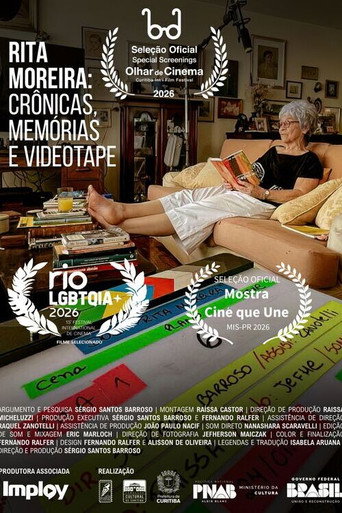
NRDrawing on the idea that memory is an editing room, veteran lesbian filmmaker Rita Moreira revisits her trajectory through her films. Moving between images of 1970s New York—where she self-exiled during Brazil’s military dictatorship—and more recent works from the late 2010s, the film weaves together time and experience to reflect on the political, social, and emotional transformations that shape both Brazil’s history and the director’s life.
Rita Moreira: Crônicas, Memórias e Videotape
2026
 NR
NRRecord of the 1989 elections, when Brazil was divided between Lula and Fernando Collor. It brings together material gathered from the streets of São Paulo, television broadcasts, and support from artists like Djavan, Chico Buarque, Gilberto Gil, Lobão, and Leci Brandão. Additionally, it features footage of the marches and Lula's first interview after his electoral defeat. A work that recounts fragments of the struggle for democracy in the country.
Dias de Euforia
1989
 5.0
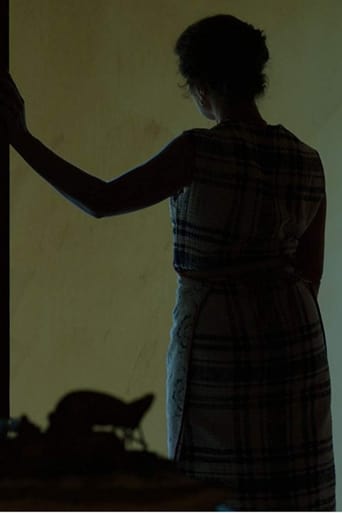
5.0Based on the installation Santa Paz Domestica, Domesticada by Ana Vieira (1977) and excerpts from the September 22nd, 1956 issue of the magazine O Cruzeiro.
Tamed
2011
 NR
NRA report covering the days when the then Secretary for Children's Affairs, Alda Marco Antônio, shut down the notorious FEBEM intake pavilions, releasing the children who had been housed together with adults. It details the release process, along with testimonies from parents and from the minors themselves.
FEBEM: The beginning of the end
1990
 NR
NRNo synopsis available yet.
As Sibilas
1986
Film credits
Behind the camera
5.2Hunting Season deals with the wave of homosexual murders that plagued São Paulo and Rio de Janeiro in the 1980s. With street statements and cultural and artistic figures such, such as Zé Celso, Jorge Mautner, Roberto Piva and others.
Hunting Season
1988
5.2Hunting Season deals with the wave of homosexual murders that plagued São Paulo and Rio de Janeiro in the 1980s. With street statements and cultural and artistic figures such, such as Zé Celso, Jorge Mautner, Roberto Piva and others.
Hunting Season
1988
5.2Hunting Season deals with the wave of homosexual murders that plagued São Paulo and Rio de Janeiro in the 1980s. With street statements and cultural and artistic figures such, such as Zé Celso, Jorge Mautner, Roberto Piva and others.
Hunting Season
1988
NRRecord of the 1989 elections, when Brazil was divided between Lula and Fernando Collor. It brings together material gathered from the streets of São Paulo, television broadcasts, and support from artists like Djavan, Chico Buarque, Gilberto Gil, Lobão, and Leci Brandão. Additionally, it features footage of the marches and Lula's first interview after his electoral defeat. A work that recounts fragments of the struggle for democracy in the country.
Dias de Euforia
1989
NRRecord of the 1989 elections, when Brazil was divided between Lula and Fernando Collor. It brings together material gathered from the streets of São Paulo, television broadcasts, and support from artists like Djavan, Chico Buarque, Gilberto Gil, Lobão, and Leci Brandão. Additionally, it features footage of the marches and Lula's first interview after his electoral defeat. A work that recounts fragments of the struggle for democracy in the country.
Dias de Euforia
1989
NRA report covering the days when the then Secretary for Children's Affairs, Alda Marco Antônio, shut down the notorious FEBEM intake pavilions, releasing the children who had been housed together with adults. It details the release process, along with testimonies from parents and from the minors themselves.
FEBEM: The beginning of the end
1990
NRA report covering the days when the then Secretary for Children's Affairs, Alda Marco Antônio, shut down the notorious FEBEM intake pavilions, releasing the children who had been housed together with adults. It details the release process, along with testimonies from parents and from the minors themselves.
FEBEM: The beginning of the end
1990
NRA report covering the days when the then Secretary for Children's Affairs, Alda Marco Antônio, shut down the notorious FEBEM intake pavilions, releasing the children who had been housed together with adults. It details the release process, along with testimonies from parents and from the minors themselves.
FEBEM: The beginning of the end
1990
NRNo synopsis available yet.
As Sibilas
1986
 10.0
10.0No synopsis available yet.
Lesbianism Feminism
1974
 4.0
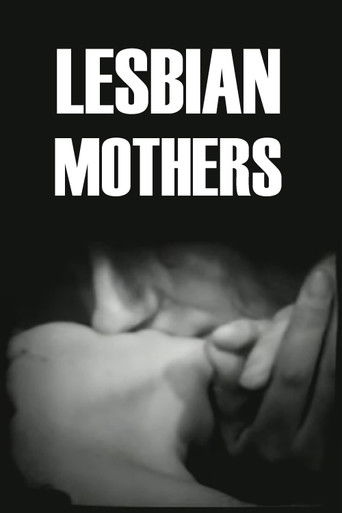
4.0No synopsis available yet.
Lesbian Mothers
1972
 NR
NRThe film revisits the life and thought of the influential American philosopher and feminist activist Ti-Grace Atkinson.
Ti-Grace Atkinson - Uma biografia de ideias
2019
 NR
NRA portrait of a homeless woman living on Pacaembu Avenue in São Paulo, surrounded by mansions. In the patch of land she chose to sleep on, she talks about various topics such as housing, foreign debt, her multiple marriages, the situation of the homeless, and more.
The Lady of Pacaembu
1983
 NR
NRNo synopsis available yet.
She Has a Beard
1975
 NR
NRNo synopsis available yet.
Uma Questão De Gênero
1998
Interviews along the streets of New York, with it’s residents, their relation to the city, views on drug consumption and the conditions of living in this city.
Living in NYC / On Drugs
1977
 10.0
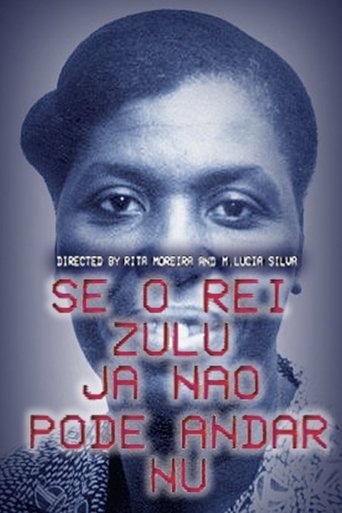
10.0Video documentary on prejudice against black people in Brazil, featuring statements and interviews about racist episodes, and a poll on the importance of Benedita da Silva’s presence in the Constituent Assembly. Footage of the South African bishop Desmond Tutu’s visit to Rio de Janeiro, at a time when Apartheid was still in effect in his country and Nelson Mandela was in prison.
Se O Rei Zulu Já Não Pode Andar Nu
1987
No synopsis available yet.
A raça na praça
—
No synopsis available yet.
A raça na praça
—