
Sound
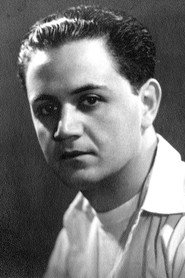
Manos Hatzidakis
Born — Died
1925-10-22 — 1994-06-15
Place of birth
Xanthi, Greece
Known for
Sound
Credits
5 titles
Manos Hatzidakis (also spelled Hadjidakis; Greek: Μάνος Χατζιδάκις; 23 October 1925 – 15 June 1994) was a Greek composer and theorist of Greek music, widely considered to be one of the greatest Greek composers and one of the most globally recognised. His legacy and contribution are widespread among the works of contemporary Greek music, through the second half of the 20th and into the 21st century. He was also one of the main proponents of the "Éntekhno" form of music (along with Mikis Theodorakis). In 1960, he received an Academy Award for Best Original Song for his song Never on Sunday from the film of the same name. Hatzidakis was born on 23 October 1925 in Xanthi, Greece, to lawyer Geor…
Known for
 8.0
No synopsis available yet.
Discorama
1959
 NR
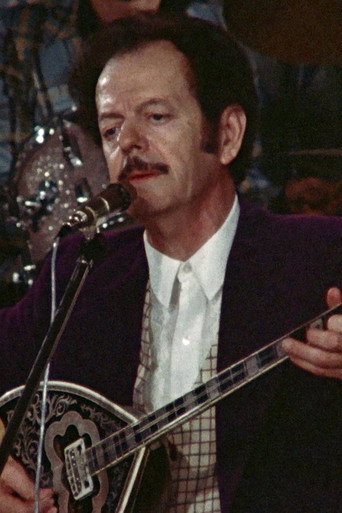
The history of Greek folk music - and the history of Greece - starting with the bouzouki: Bayanteras, Tsitsanis, Vamvakaris, Daskalakis, Rosa Eskenazi, Eftychia Papagiannopoulou, Vicky Moscholiou, Marinella, Theodorakis, Hadjidakis. The film, which was rejected by the then Thessaloniki Festival (by the Censorship Committee in 1973, by the Preliminary Committee in 1974), focuses on the sound that served as a compass for great artists, sealed important historical moments of the country and served as a mirror of its era.
Bouzouki
1973
 6.9
The story of a young, wild woman who doesn't want to compromise and settle down. Stella is a restless, rebellious Greek woman who plays with men and enjoys her life as much as she can. But when she meets a young footballer, things get mixed up. She loves him but she loves her freedom too. So it's about time she made an important choice.
Stella
1955
 8.0
A documentary about Greek music. Τhe Great Love Songs is series of ten poems by, among others, Sappho, Elytis, Myrtiotissa, Sarantari, and cavafy, put to music by Manos Hadjidakis. In the film, the camera lens illustrates the emotions stirred by the erotic atmosphere of the music. We follow the camera as it wanders through Athens; the nostalgic Athens of yesteryear; the big modern-day city; the Athens of lovers; the Athens of tourists. Our journey through the city is intercut with footage from the studio recordings of the songs, while there also scenes featuring the film crew. The film is a game between image and sound.
The Great Love Songs
1973
Film credits
1970s · 2 titles
NRThe history of Greek folk music - and the history of Greece - starting with the bouzouki: Bayanteras, Tsitsanis, Vamvakaris, Daskalakis, Rosa Eskenazi, Eftychia Papagiannopoulou, Vicky Moscholiou, Marinella, Theodorakis, Hadjidakis. The film, which was rejected by the then Thessaloniki Festival (by the Censorship Committee in 1973, by the Preliminary Committee in 1974), focuses on the sound that served as a compass for great artists, sealed important historical moments of the country and served as a mirror of its era.
Bouzouki
1973
8.0A documentary about Greek music. Τhe Great Love Songs is series of ten poems by, among others, Sappho, Elytis, Myrtiotissa, Sarantari, and cavafy, put to music by Manos Hadjidakis. In the film, the camera lens illustrates the emotions stirred by the erotic atmosphere of the music. We follow the camera as it wanders through Athens; the nostalgic Athens of yesteryear; the big modern-day city; the Athens of lovers; the Athens of tourists. Our journey through the city is intercut with footage from the studio recordings of the songs, while there also scenes featuring the film crew. The film is a game between image and sound.
The Great Love Songs
1973