
Directing
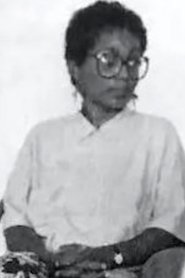
Jackie Shearer
Known for
Directing
Credits
4 titles
Jacqueline (Jackie) Shearer was an independent producer and director of documentary films about African Americans. Shearer was born in Boston and graduated from Brandeis University. Her films included "A Minor Altercation" (1978), and "The Keys to the Kingdom" and "The Promised Land" (1989), two segments of the Emmy Award-winning "Eyes on the Prize" (1991), a documentary series about the civil rights movement that aired on public television. She also produced "The Colored 54th Regiment" (1991) which also aired on public television. Her final project "Didn't Take Low," also known as "Addie and the Pink Carnations," was in development for 10 years, but did not reach final production due to lim…
Known for
 4.3
American Experience
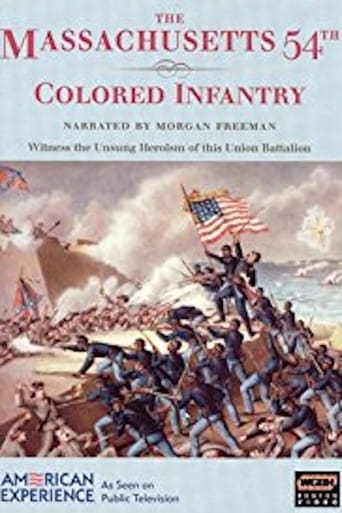
The Massachusetts 54th Colored Infantry
1991
 7.0
Jackie Shearer’s docudrama catching the tensions between two girls—one black, one white—during the desegregation of Boston’s public schools.
A Minor Altercation
1977
 NR
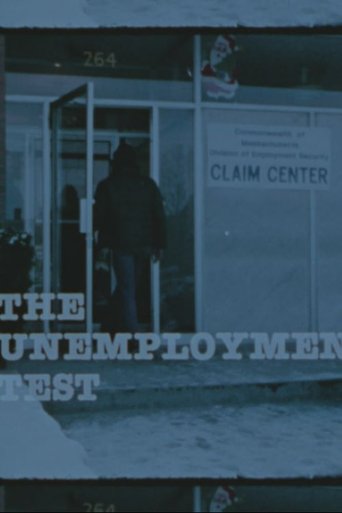
The Unemployment Test is presented as a quiz to judge the audience’s knowledge about the welfare system, albeit one backed by a funky disco synth soundtrack. The viewers of the film take the test alongside people in a classroom who are evenly split between those who have benefited from unemployment insurance and others who have not. Short dramatized scenes with non-professional actors play out in two phases. Each skit ends with a question by the narrator. The audience’s an- swers are scored at the end of each phase.
The Unemployment Test
1978
 NR
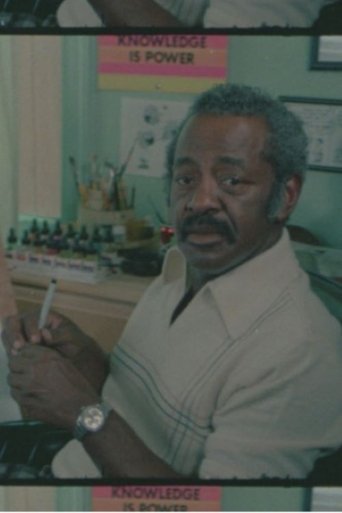
A documentary produced by Blackside, Inc. as part of an effort to recruit minority youth into the health care fields.
Easy Street
1979
Behind the camera
4.3American Experience
The Massachusetts 54th Colored Infantry
1991
7.0Jackie Shearer’s docudrama catching the tensions between two girls—one black, one white—during the desegregation of Boston’s public schools.
A Minor Altercation
1977
NRThe Unemployment Test is presented as a quiz to judge the audience’s knowledge about the welfare system, albeit one backed by a funky disco synth soundtrack. The viewers of the film take the test alongside people in a classroom who are evenly split between those who have benefited from unemployment insurance and others who have not. Short dramatized scenes with non-professional actors play out in two phases. Each skit ends with a question by the narrator. The audience’s an- swers are scored at the end of each phase.
The Unemployment Test
1978
NRA documentary produced by Blackside, Inc. as part of an effort to recruit minority youth into the health care fields.
Easy Street
1979