
Directing
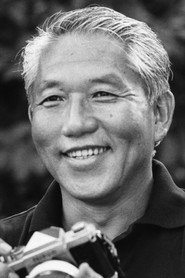
Robert A. Nakamura
Born — Died
1936-07-05 — 2025-06-11
Place of birth
Venice, California, USA
Known for
Directing
Credits
16 titles
Robert Akira Nakamura (July 5, 1936 – June 11, 2025) was an American filmmaker and teacher, sometimes referred to as "the Godfather of Asian American media". In 1970, he cofounded Visual Communications (VC), the oldest community-based Asian Pacific American media arts organization in the United States. Description above from the Wikipedia article Robert A. Nakamura, licensed under CC-BY-SA, full list of contributors on Wikipedia.
Known for
 8.0
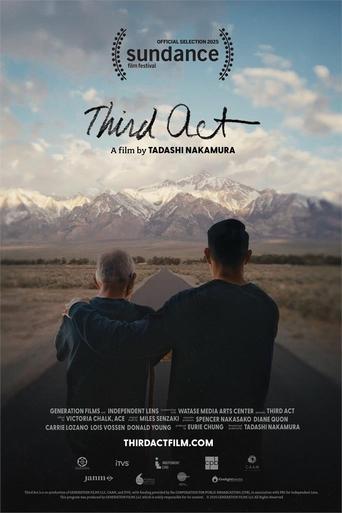
8.0Filmmaker Tadashi explores his father Robert A. Nakamura's life as an influential Asian American artist and activist, while grappling with Robert's Parkinson's diagnosis, navigating themes of art, grief, and their father-son relationship.
Third Act
2025
 NR
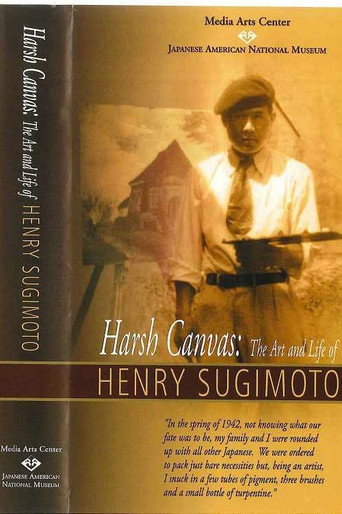
NRHenry Sugimoto’s translated memoirs, brought to life by Academy Award-nominated actor Mako, reveal the artist’s own journey through his life and art. The documentary features his paintings and sketches, rare archival footage, and film of the artist just before his death.
Harsh Canvas: The Art & Life of Henry Sugimoto
2001
 NR
NRPILGRIMAGE tells the inspiring story of how an abandoned WWII concentration camp for Japanese Americans has been transformed into a symbol of retrospection and solidarity for people of all ages, races and nationalities in our post 9/11 world.
Pilgrimage
2007
 6.0
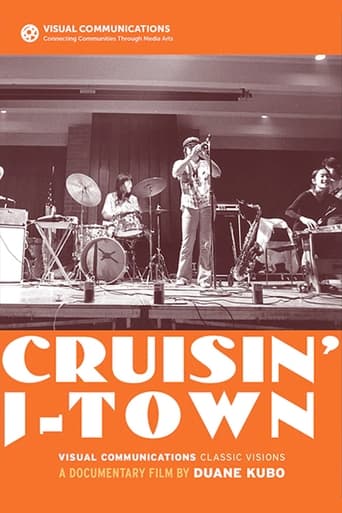
6.0Celebrates the music and influences of contemporary Asian American culture on Dan Kuramoto, June Okida Kuramoto, and Johnny Mori — three musicians who make up the core of the jazz fusion band Hiroshima. Preserved by the Academy Film Archive in partnership with Visual Communications in 2011.
Cruisin' J-Town
1975
 6.5
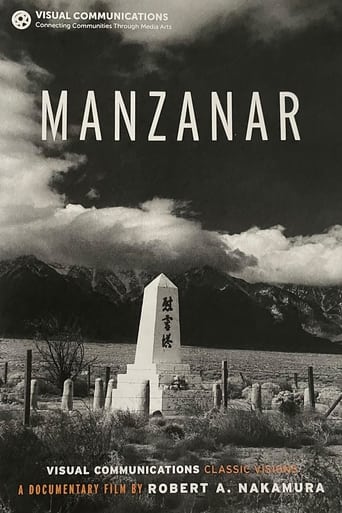
6.5Short film about the Manzanar Japanese American internment camp. Preserved by the Academy Film Archive in 2011.
Manzanar
1972
 NR
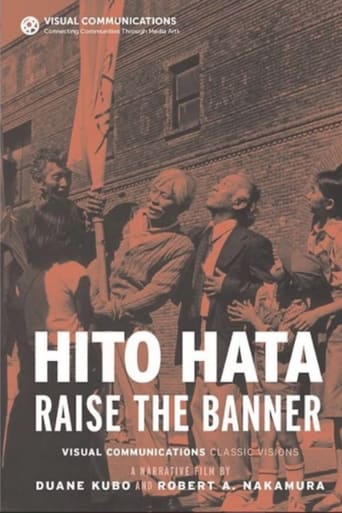
NRThe film looks back at the life of a man named Oda and other Japanese Americans through the decades as they face great challenges and joys living in the United States.
Hito Hata: Raise the Banner
1980
Film credits
Behind the camera
NRHenry Sugimoto’s translated memoirs, brought to life by Academy Award-nominated actor Mako, reveal the artist’s own journey through his life and art. The documentary features his paintings and sketches, rare archival footage, and film of the artist just before his death.
Harsh Canvas: The Art & Life of Henry Sugimoto
2001
6.0Celebrates the music and influences of contemporary Asian American culture on Dan Kuramoto, June Okida Kuramoto, and Johnny Mori — three musicians who make up the core of the jazz fusion band Hiroshima. Preserved by the Academy Film Archive in partnership with Visual Communications in 2011.
Cruisin' J-Town
1975
6.5Short film about the Manzanar Japanese American internment camp. Preserved by the Academy Film Archive in 2011.
Manzanar
1972
6.5Short film about the Manzanar Japanese American internment camp. Preserved by the Academy Film Archive in 2011.
Manzanar
1972
NRThe film looks back at the life of a man named Oda and other Japanese Americans through the decades as they face great challenges and joys living in the United States.
Hito Hata: Raise the Banner
1980
NRThe film looks back at the life of a man named Oda and other Japanese Americans through the decades as they face great challenges and joys living in the United States.
Hito Hata: Raise the Banner
1980
 9.0
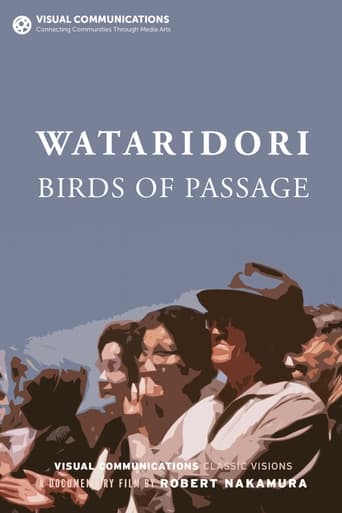
9.0This important tribute to the issei (first generation Japanese Americans) integrates the stories of three people who describe a collective history through their personal memories.
Wataridori: Birds of Passage
1976
 NR
NRSet in L.A.’s Chinatown neighborhood, TO BE ME, TONY QUON offers a vivid depiction of Tony’s world, culminating with the food, firecrackers and lion dances of Chinese New Year.
To Be Me, Tony Quon
1973
 7.0
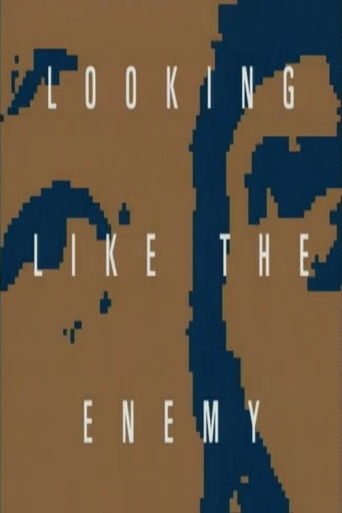
7.0They were American born and bred yet they had the face of the enemy. Spanning generations and wars, Looking Like the Enemy is a bold and daring exploration into the often horrifying yet always ironic predicaments faced by American soldiers of Asian descent who fought in World War II, the Korean and the Vietnam wars.
Looking Like the Enemy
1996
 NR
NRCapturing the all-American fervor of parade competition, CHINATOWN 2-STEP profiles the Los Angeles Chinese Drum and Bugle Corps, an important fixture of the Chinese American community.
Chinatown 2-Step
1975
 7.0
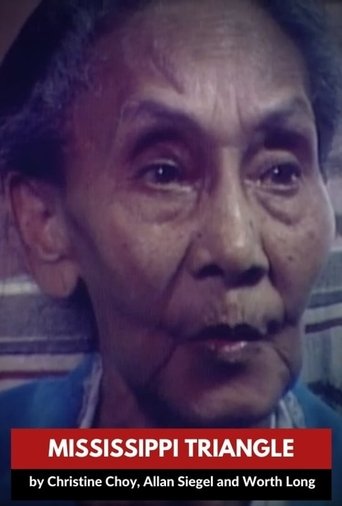
7.0This is an intimate portrait of life in the Mississippi Delta, where Chinese, African Americans and Whites live in a complex world of cotton, work, and racial conflict. The history of the Chinese community is framed against the harsh realities of civil , religion, politics, and class in the South. Rare historical footage and interviews of Delta residents are combined to create this unprecedented document of inter-ethnic relations in the American South.
Mississippi Triangle
1984
 NR
NRHome movies from a Japanese internment camp.
Something Strong Within
1995
 8.0
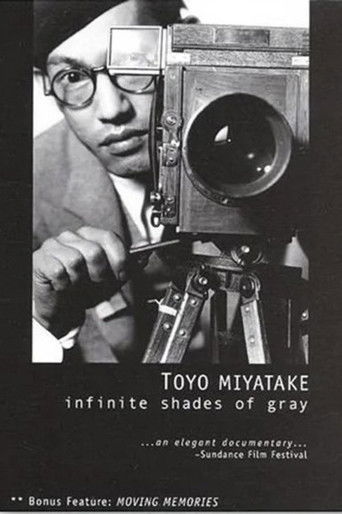
8.0Called "an elegant documentary" by Sundance and "eloquent and deeply moving" by the LA Times, Toyo Miyatake: Infinite Shades of Gray is a penetrating portrait of this photographer's search for truth and beauty in a world of impermanence. Los Angeles' Little Tokyo's foremost studio photographer, Miyatake smuggled a lens and film holder into the U.S. WWII camp he was incarcerated in and captured life behind barbed wire with a makeshift camera made of scrap wood. Yet it was his little-known artistic pursuits before the war that honed his discerning eye.
Toyo Miyatake: Infinite Shades of Gray
2002