
Known for
 5.5
5.5The Guldbagge Awards is an official and annual Swedish film awards ceremony honoring achievements in the Swedish film industry. Winners are awarded a statuette depicting a rose chafer, better known by the name Guldbaggen. The awards, first presented in 1964 at the Grand Hôtel in Stockholm, are overseen by the Swedish Film Institute. It is described as the Swedish equivalent of the Academy Awards. The awards ceremony was first televised in 1981.
The Guldbagge Awards
1981
 9.0
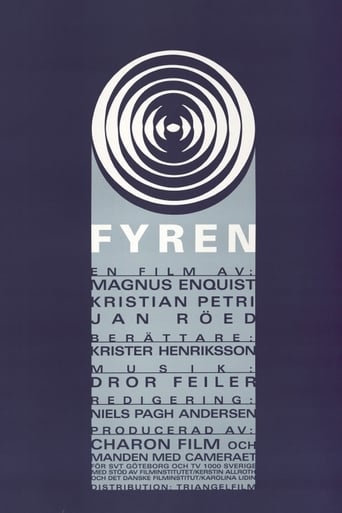
9.0A depiction of some of the most interesting lighthouses around the world.
Lighthouse
2000
 6.5
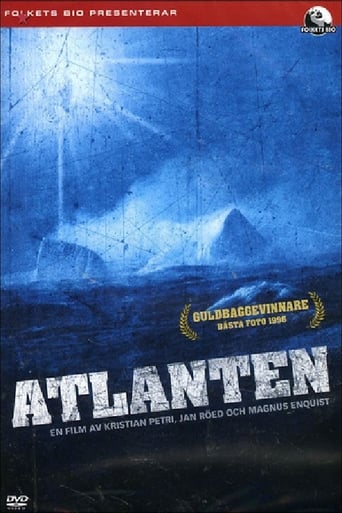
6.5A documentary about the islands in the Atlantic, about the islanders and their stories.
The Atlantic
1995
Bruno Manser the main character of our film where in the end of November 2000, two months after we finished our film reported missing in the jungle - most probably he has been killed. This film is a follow up of a film also made by Charon film in 1989 called Tong Tana - A journey to the heart of Borneo. The first film was about one of the greatest ecological catastrophes of our time, the destruction of the world’s oldest rainforest. It was also a film about one of the last nomadic tribes on earth, the Penans who have lived in the same way for thousands of years. A Swiss, Bruno Manser was living with them. At the time, he had been in the jungle for six years.
Tong Tana 2 - The Lost Paradise
—
 8.3
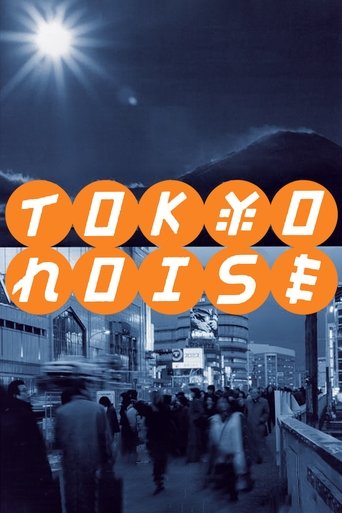
8.3Tokyo at the beginning of the 21st century, its inhabitants and artists. An observation and diagnosis of the modern Japanese metropolis: the singularity of unusual creative individuals is merely a response to the majority Japanese society. Even this can appear as an eccentric work of art. So where do the borders lie? A psychologist talks about the autistic way of life burgeoning in the dense population of the country. A noise musician speaks of her inspiration from sado-masochistic bondage as an art form. A programmer specializing in computer games assures us: I can distinguish our world and “the other side”! Why are the robots in Japanese comic books almost always affable and positive characters? Will “love hotels”, the unique designer havens for sexual experiences, become extinct in the future? Photographer Nobuyoshi Araki sees noise as one of the fundamental aspects of Tokyo life.
Tokyo Noise
2002
 NR
NRA boy lives in a wooden house surrounded by untouched nature. He roams through the forest; in the distance, a lynx pads along. In the dream, the boy and the lynx are friends. The forestry machines begin to devour...
Where No Roads Reach
1985
Series credits
Behind the camera
9.0A depiction of some of the most interesting lighthouses around the world.
Lighthouse
2000
9.0A depiction of some of the most interesting lighthouses around the world.
Lighthouse
2000
6.5A documentary about the islands in the Atlantic, about the islanders and their stories.
The Atlantic
1995
6.5A documentary about the islands in the Atlantic, about the islanders and their stories.
The Atlantic
1995
Bruno Manser the main character of our film where in the end of November 2000, two months after we finished our film reported missing in the jungle - most probably he has been killed. This film is a follow up of a film also made by Charon film in 1989 called Tong Tana - A journey to the heart of Borneo. The first film was about one of the greatest ecological catastrophes of our time, the destruction of the world’s oldest rainforest. It was also a film about one of the last nomadic tribes on earth, the Penans who have lived in the same way for thousands of years. A Swiss, Bruno Manser was living with them. At the time, he had been in the jungle for six years.
Tong Tana 2 - The Lost Paradise
—
8.3Tokyo at the beginning of the 21st century, its inhabitants and artists. An observation and diagnosis of the modern Japanese metropolis: the singularity of unusual creative individuals is merely a response to the majority Japanese society. Even this can appear as an eccentric work of art. So where do the borders lie? A psychologist talks about the autistic way of life burgeoning in the dense population of the country. A noise musician speaks of her inspiration from sado-masochistic bondage as an art form. A programmer specializing in computer games assures us: I can distinguish our world and “the other side”! Why are the robots in Japanese comic books almost always affable and positive characters? Will “love hotels”, the unique designer havens for sexual experiences, become extinct in the future? Photographer Nobuyoshi Araki sees noise as one of the fundamental aspects of Tokyo life.
Tokyo Noise
2002
NRA boy lives in a wooden house surrounded by untouched nature. He roams through the forest; in the distance, a lynx pads along. In the dream, the boy and the lynx are friends. The forestry machines begin to devour...
Where No Roads Reach
1985