

Acting
Carlos Augusto Strazzer
Born — Died
1946-08-04 — 1993-02-19
Place of birth
São Caetano do Sul, São Paulo, Brazil
Known for
Acting
Credits
29 titles
Carlos Augusto Strazzer (São Caetano do Sul, August 4, 1946 – Petrópolis, February 19, 1993) was a Brazilian actor, singer, theater producer and theater director.
Known for
 8.0
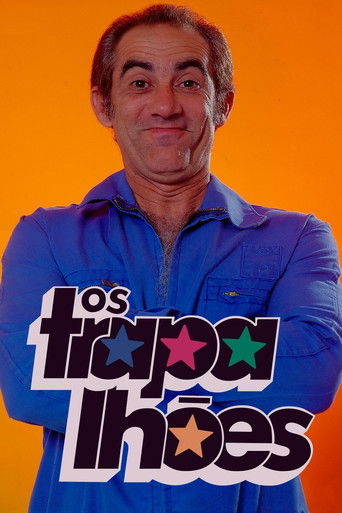
Os Trapalhões was a Brazilian comedy group and also a Brazilian television series created by Wilton Franco. Its members were Dedé Santana, Zacarias, Mussum and their leader Didi Mocó, that was played by Renato Aragão. The name Trapalhões is derived from the Portuguese verb atrapalhar, which means the opposite of helping, to do something the wrong way or to Those that confuse. The name is translated "Tramps" in English DVD subtitles. It was aired by Rede Globo from 1977 to 1999. On March 18, 1990, Zacarias died due to respiratory failure, but the group and the series didn't come to an end until July 29, 1994, when Mussum died due to an unsuccessful heart transplant.
The Trapalhões
1977
No synopsis available yet.
O Direito de Nascer
1978
No synopsis available yet.
As Pupilas do Senhor Reitor
1970
 7.6
No synopsis available yet.
Coração Alado
1980
No synopsis available yet.
O Julgamento
1976
 8.0
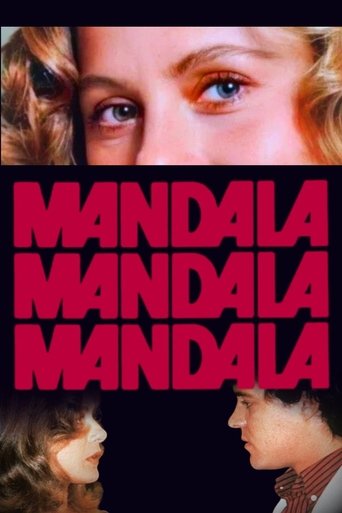
Jocasta, an 18-year-old sociology student and daughter of communist activist Túlio Silveira, is actively involved in the country's political landscape. She is in love with Laio—her polar opposite—a disengaged, esoteric young man who lives off his wealthy father's allowance. A mystic, Laio makes no move without consulting his guru and friend Argemiro, whom he turns to upon learning of Jocasta's pregnancy. The cowrie shell reading reveals that his son is destined to kill him and enter into a romantic relationship with his mother. Terrified, Laio disappears with the child immediately after birth, aided by Argemiro—who loves Laio and loathes Jocasta. Twenty-five years later, Jocasta is a successful yet restless woman searching for her missing son. She is estranged from Laio, who has spent recent years expanding his father's fortune through involvement in underground gambling. On a highway, he encounters Oedipus, unaware that the young man is his son.
Mandala
1987
Film credits

1980s · 4 titles
 5.9
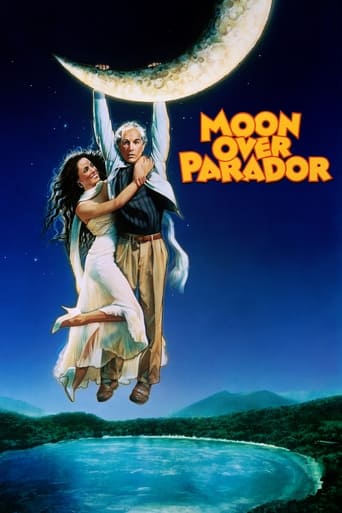
Underappreciated actor Jack Noah is on location in Parador at the time the dictator dies. The dictator's right-hand man makes Jack an offer he cannot refuse... to play the dictator. Jack's acting skills fool the masses but not close friends and employees of the dictator.
Moon Over Parador
1988
 6.3
Two students make a date in a secluded cave behind their school, where they could be undisturbed. But on arrival they see a corpse. They run to inform the authorities, but when they arrive the corpse has mysteriously disappeared.
O Mistério no Colégio Brasil
1988
 5.6
In Nilópolis, Eliane, a 15-year-old girl, who is the daughter of a lower-middle-class couple, falls in love with Otávio, a 33-year-old divorcee. Upon learning of the relationship, Eliane's parents forbid her to meet her lover.
Com Licença, Eu Vou à Luta
1985
 6.2
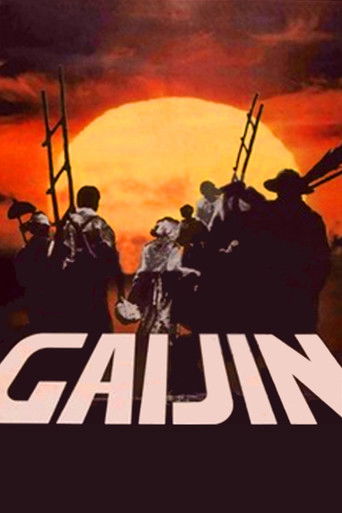
Based on fact, this is the story of the struggles of Japanese immigrants who traveled to and settled in Brazil looking for a better life.
Gaijin: A Brazilian Odyssey
1980
Series credits
8.0Os Trapalhões was a Brazilian comedy group and also a Brazilian television series created by Wilton Franco. Its members were Dedé Santana, Zacarias, Mussum and their leader Didi Mocó, that was played by Renato Aragão. The name Trapalhões is derived from the Portuguese verb atrapalhar, which means the opposite of helping, to do something the wrong way or to Those that confuse. The name is translated "Tramps" in English DVD subtitles. It was aired by Rede Globo from 1977 to 1999. On March 18, 1990, Zacarias died due to respiratory failure, but the group and the series didn't come to an end until July 29, 1994, when Mussum died due to an unsuccessful heart transplant.
The Trapalhões
1977
No synopsis available yet.
O Direito de Nascer
1978
No synopsis available yet.
As Pupilas do Senhor Reitor
1970
7.6No synopsis available yet.
Coração Alado
1980
No synopsis available yet.
O Julgamento
1976
8.0Jocasta, an 18-year-old sociology student and daughter of communist activist Túlio Silveira, is actively involved in the country's political landscape. She is in love with Laio—her polar opposite—a disengaged, esoteric young man who lives off his wealthy father's allowance. A mystic, Laio makes no move without consulting his guru and friend Argemiro, whom he turns to upon learning of Jocasta's pregnancy. The cowrie shell reading reveals that his son is destined to kill him and enter into a romantic relationship with his mother. Terrified, Laio disappears with the child immediately after birth, aided by Argemiro—who loves Laio and loathes Jocasta. Twenty-five years later, Jocasta is a successful yet restless woman searching for her missing son. She is estranged from Laio, who has spent recent years expanding his father's fortune through involvement in underground gambling. On a highway, he encounters Oedipus, unaware that the young man is his son.
Mandala
1987
 8.5
The cheerful and outgoing Jordana lived alongside Silas for 20 years, helping him become wealthy. Despite this, he abandons her to run away with the opportunistic Carla. After the separation, Jordana faces financial difficulties. She then meets Dona Mena, an eccentric and lonely old woman abandoned by her family. Jordana takes care of Dona Mena and, when she dies, inherits four bronze cupids containing a million dollars. The problem is that the cupids disappear without a trace. The cupids become the subject of a fight between Dona Mena's nephews, Loreta and Carlito. The two are the villains of the story. Jordana, however, ends up falling in love with Carlito. In the final chapters, Jordana manages to recover the cupids and rebuild her life. She has the help of her friend Vieira.
Jogo da Vida
1981
No synopsis available yet.
Mania de Querer
1986
 7.0
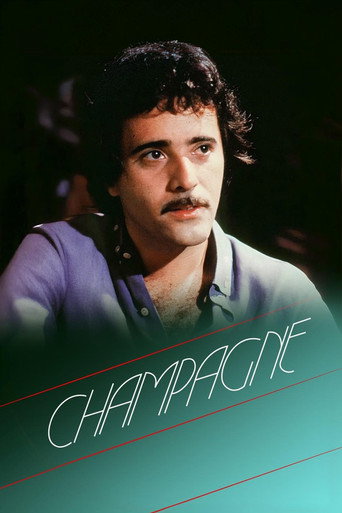
In 1970, during a glittering New Year's Eve party attended by the aristocracy, a young pantry maid named Zaíra is mysteriously murdered. Thirteen years later, the prime suspect—Gastão, a humble waiter and former colleague of the victim—seeks to prove his innocence with the help of his son, Nil, becoming entangled in the lives of the other party guests. The story also follows a cunning pair of jewel thieves: the sophisticated Antônia Regina and João Maria—a criminal lawyer and member of the declining aristocracy who takes up the cause of Nil's father.
Champagne
1983
 7.0
No synopsis available yet.
Vitória Bonelli
1972
 7.3
In the imaginary king of Avilan, the bastard prince Jean Pierre leads a popular group against councilors who will invade Rainha Valentine's palace and take away the power.
Que Rei Sou Eu?
1989
In 1889, a conflict arose between the decadent and ruined rural aristocracy following the liberation of slaves and a new class of wealthy individuals, comprised of entrepreneurs emerging from the republican industrial class, interested in free labor. In the city of Ouro Negro, in the interior of São Paulo state, the conservative, aristocratic, and monarchist Almeida Santos family, which traditionally dominated the region, began to lose ground to the Lobo Ferraz family, representing the nascent progressive and republican bourgeoisie.
Dead Gods
1971
 8.6
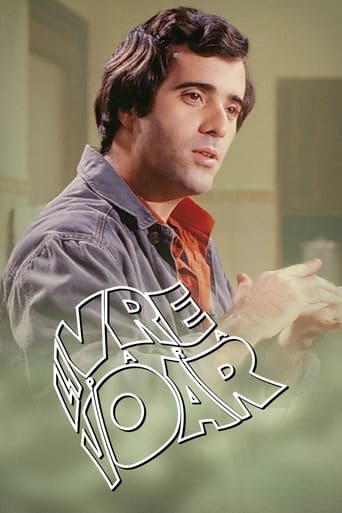
Set in Poços de Caldas, Minas Gerais, the story shows how Pardal and Bebel, young people newly arrived in the city, fall in love. However, each hides their true identity from the other.
Livre Para Voar
1984
 9.0
No synopsis available yet.
A Viagem
1975
 7.8
The story revolves around the conflicts within Silvana and Oliva's family—her mother and paternal grandfather—who are fighting for custody of Zeca after the child's father dies.
Vereda Tropical
1984
Daniel is a psychic who can see the past and predict the future. As a child, he had a vision that his brother-in-law, João Henrique, was cheating on his sister, Ester, which led her to separate from her husband. As an adult, his psychic abilities increase and Daniel uses them for his own benefit, rather than to help people. He sets up a practice and appears on TV, becoming famous and known as “the Prophet.” Daniel begins to grow rich, important, and cold.
O Profeta
1977
 7.5
No synopsis available yet.
Éramos Seis
1977
No synopsis available yet.
Ovelha Negra
1975
 7.0
No synopsis available yet.
Plantão de Polícia
1979
 7.5
Inspired by the work of the same name by João Ubaldo Ribeiro, the miniseries tells the love story between João Pedros, a biologist who decides to make a living from fishing, and the unhappy Ana Clara, married to the corrupt Ângelo Marcos, Secretary of Health. Together with his lover, Bebel, Ângelo plans to take real estate speculation to the paradisiacal island of Santa Cruz. And for this he counts on the complicity of Tavinho and Nando, who belong to the local elite.
O Sorriso do Lagarto
1991
No synopsis available yet.
O Cometa
1989
No synopsis available yet.
Maria Nazaré
1980
 8.3
The miniseries shows the transformations in the relationship and life of psychologist Valentina and poet Leandro, following the discovery of a terminal illness.
Moinhos de Vento
1983