
Known for
 7.3
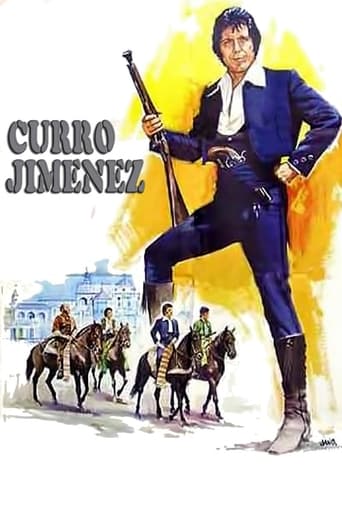
7.3Curro Jiménez was a successful Spanish TV series that aired on TVE1 from 22 December 1976 to 1979. Its main theme was Andalusian "bandolerismo" in the 19th century, located in the Ronda mountains. The main characters were four bandits, Curro Jiménez
Curro Jiménez
1976
 6.9
6.9Stig-Helmer and Ole Bramserud on a trip to the Canary Islands for Christmas.
Package Tour
1980
 5.6
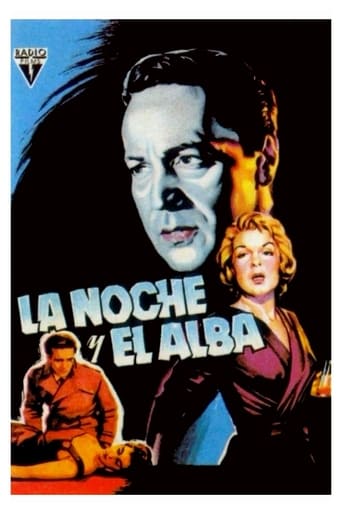
5.6Pedro, a street photographer who fought during the Spanish Civil War on the Republican side, becomes obsessed with a young model.
La noche y el alba
1958
 3.8
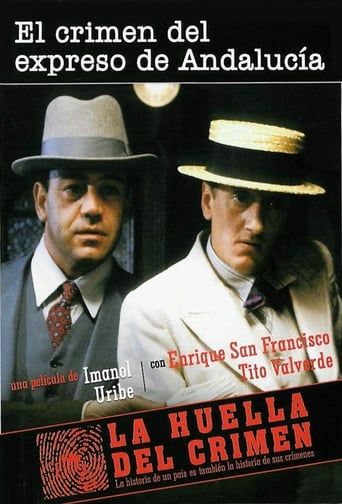
3.8Madrid, 1924. A ne'er-do-well in his 30s, perpetual disappointment to his aging military father, hatches a plan to rob the mail train to Andalusia. He intends the hit to be bloodless, but complications arise soon.
El crimen del expreso de Andalucía
1991
 8.0
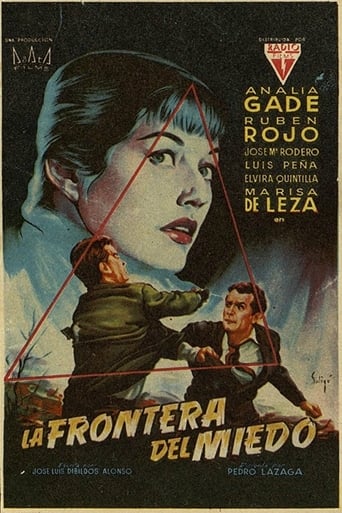
8.0No synopsis available yet.
La frontera del miedo
1958
 6.3
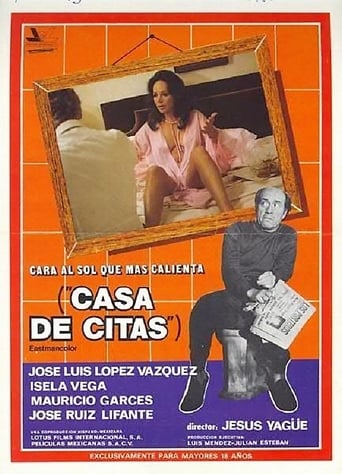
6.3Luciano has been working in an important company for fifteen years without be rewarded for his efforts, his fidelity and submission. On the recommendation of a cousin, he acts as front man for the shameful business of his managers. They get it so far as to force him to marry the former mistress of one of the directors. Finally, because of a fire in the chalet where he lives and where they cook the dirty business of which he is not responsible for, Luciano ends up in jail for covering up and taking on some responsibilities that are not his, fulfilling his role of straw man until the end.
Casa de citas
1978
Film credits
1980s · 1 titles
1970s · 3 titles
6.3Luciano has been working in an important company for fifteen years without be rewarded for his efforts, his fidelity and submission. On the recommendation of a cousin, he acts as front man for the shameful business of his managers. They get it so far as to force him to marry the former mistress of one of the directors. Finally, because of a fire in the chalet where he lives and where they cook the dirty business of which he is not responsible for, Luciano ends up in jail for covering up and taking on some responsibilities that are not his, fulfilling his role of straw man until the end.
Casa de citas
1978
 5.2
5.2No synopsis available yet.
Cuando los niños vienen de Marsella
1974
No synopsis available yet.
Calígula
1971
1950s · 3 titles
5.6Pedro, a street photographer who fought during the Spanish Civil War on the Republican side, becomes obsessed with a young model.
La noche y el alba
1958
8.0No synopsis available yet.
La frontera del miedo
1958
 8.0
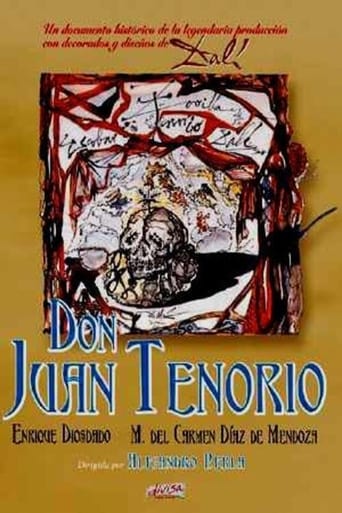
8.0There are nearly three dozen major televised, theatrical and cinematic productions paying homage to this revision of the original tale of Don Juan. Playwright José Zorrilla's work, was first written and published in 1844, and it soon became one of the most popular plays of the 19th Century. Spanish Director Alejando Perla's own 1952 cinematic version is probably the best-known of several films made concerning Zorrilla's take on the exploits of the immortal Don Juan-in just a 15 year period, (starting in 1936). His version stands out because it focuses on why Don Juan Tenorio should repent, after reflecting on a hedonistic life of drinking, followed by his enchantment, seduction and ultimate corruption of the innocent and married women he seduced then callously abandoned all throughout Seville.
Don Juan Tenorio
1952