
Acting
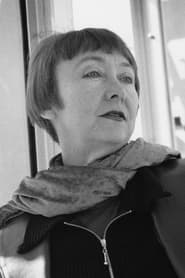
Constance DeJong
Known for
Acting
Credits
5 titles
Known for
 10.0
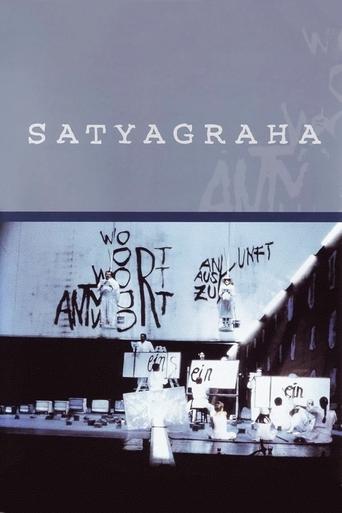
10.0This luminous, visionary opera tells the story of how Mahatma Gandhi developed the philosophy of satyagraha, nonviolent active resistance, as a political revolutionary tool to fight oppression, connecting his lifework to three historical figures who advanced his philosophy: the celebrated Russian writer Leo Tolstoy, the great Indian poet and philosopher Rabindranath Tagore and the heroic American civil rights leader Martin Luther King. The libretto is comprised of passages from “The Bhagavad-Gita,” India’s greatest philosophical epic, and perfectly complements Glass’ ravishing score, mysteriously transporting the audience with a serene power and an all-encompassing sense of peace.
Philip Glass: Satyagraha
1983
 10.0
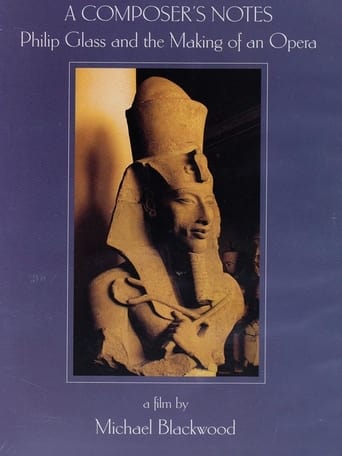
10.0This documentary by Michael Blackwood looks at the development and production of Glass' opera Akhnaten. The film follows two productions by the Württemberg State Theater, Stuttgart, and the Houston Grand Opera.
A Composer’s Notes: Philip Glass and the Making of an Opera
1986
 NR
NRThe Machine That Killed Bad People is about the cultural and political history of the Philippines leading up to the overthrow of President Ferdinand Marcos in 1986. It also addresses the role of electronic media in the struggle for power, and more broadly, American intervention in the Third World. Using a structure that emulates the way television news programs construct meaning through fragmentation, the tape interweaves clips of Filipino activists and reporters, a fictional television anchorwoman and correspondent, commentary by independent filmmaker Trinh T. Minh-ha, Fagin's off-camera voice and script, and anonymous excerpts from commercial television.
The Machine That Killed Bad People
1990
 NR
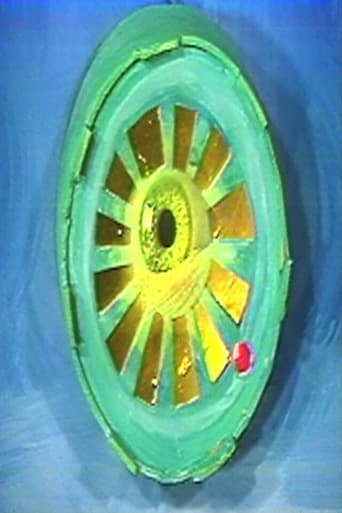
NRAs guardians of the cultural torch, theme parks and museums herd millions of thrill-seekers through a mental haze towards a re-shaped history and a sketchy future. Here objects and environment become one. A souvenir is purchased and relocated in the home; it is used to unlock the crowded and carbon dioxide-filled corridor to the ‘transcendental.’
Joyride (TM)
1988
 8.0
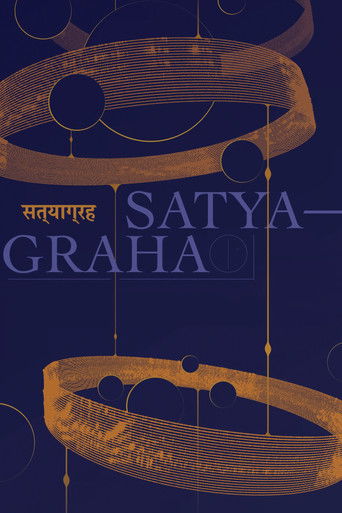
8.0Following the success of his first foray into opera, Einstein on the Beach, revolutionary American composer and musician Philip Glass soon turned to another great figure of the 20th century for inspiration. Set to lines from the Hindu Bhagavad Gita, Satyagraha depicts scenes from the life of Gandhi as he developed his philosophy of non-violent resistance in South Africa between 1896 and 1913. The opera became the second installment of Glass’s Portrait Trilogy, focused on innovators from across history. Satyagraha arrived at the Met during the 2007–08 season, when director Phelim McDermott made his debut with a production that employed everyday materials like newspaper and corrugated tin to create towering puppets and striking tableaus. In 2011, his staging returned, this time recorded live in HD. In this performance, tenor Richard Croft gives a moving performance as Gandhi, leading a remarkable ensemble cast conducted by Dante Anzolini.
Philip Glass: Satyagraha
2011
Film credits
Behind the camera
10.0This luminous, visionary opera tells the story of how Mahatma Gandhi developed the philosophy of satyagraha, nonviolent active resistance, as a political revolutionary tool to fight oppression, connecting his lifework to three historical figures who advanced his philosophy: the celebrated Russian writer Leo Tolstoy, the great Indian poet and philosopher Rabindranath Tagore and the heroic American civil rights leader Martin Luther King. The libretto is comprised of passages from “The Bhagavad-Gita,” India’s greatest philosophical epic, and perfectly complements Glass’ ravishing score, mysteriously transporting the audience with a serene power and an all-encompassing sense of peace.
Philip Glass: Satyagraha
1983
NRAs guardians of the cultural torch, theme parks and museums herd millions of thrill-seekers through a mental haze towards a re-shaped history and a sketchy future. Here objects and environment become one. A souvenir is purchased and relocated in the home; it is used to unlock the crowded and carbon dioxide-filled corridor to the ‘transcendental.’
Joyride (TM)
1988
8.0Following the success of his first foray into opera, Einstein on the Beach, revolutionary American composer and musician Philip Glass soon turned to another great figure of the 20th century for inspiration. Set to lines from the Hindu Bhagavad Gita, Satyagraha depicts scenes from the life of Gandhi as he developed his philosophy of non-violent resistance in South Africa between 1896 and 1913. The opera became the second installment of Glass’s Portrait Trilogy, focused on innovators from across history. Satyagraha arrived at the Met during the 2007–08 season, when director Phelim McDermott made his debut with a production that employed everyday materials like newspaper and corrugated tin to create towering puppets and striking tableaus. In 2011, his staging returned, this time recorded live in HD. In this performance, tenor Richard Croft gives a moving performance as Gandhi, leading a remarkable ensemble cast conducted by Dante Anzolini.
Philip Glass: Satyagraha
2011