
Production
María Neyla Santamaría
Known for
Production
Credits
5 titles
Known for
 NR
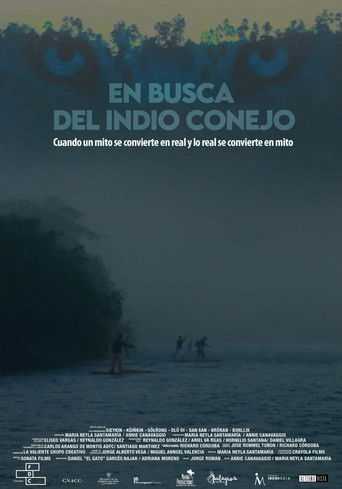
There is a mysterious indigenous legend in Panama: "the Rabbit Indian." He was known for his resistance to civilization, for fighting other ethnic groups, and then eating their remains. They are said to be small (1.5 meters tall), with long ears, and their bodies are completely painted. During the day they hide in caves high in the mountains and only come out at night to hunt. This is a myth that has become reality. When we speak of a past marked by wars and cultural disappearances, this is precisely what is happening today. Though elusive, the Rabbit Indian is one of the last remaining links in the Naso culture.
En busca del Indio Conejo
2025
 6.5
Haunted by a long-broken relationship with her father, anthropologist Carolina Arias Ortiz returns to her childhood home of Costa Rica to repair their relationship while haunted by the otherworldly mystery of ancient stone spheres in this lyrical and poetic debut feature.
Rebel Objects
2020
Separated by the armed conflict and threatened by powerful interests over the Tapón del Darién (The Darien Plug) on the border between Colombia and Panama, the Tule Kuna try to stay together and defend their culture armed solely with their ancestral chants. The documentary accompanies the return of the Kuna people from Panama to their ancestral lands in Colombia three years after the massacre of six of the tribe’s ancestral authorities perpetrated by Colombian paramilitaries in a 2003 foray into Panamanian territory.
Tule Kuna: Cantamos para no morir
2007
Behind the camera
NRThere is a mysterious indigenous legend in Panama: "the Rabbit Indian." He was known for his resistance to civilization, for fighting other ethnic groups, and then eating their remains. They are said to be small (1.5 meters tall), with long ears, and their bodies are completely painted. During the day they hide in caves high in the mountains and only come out at night to hunt. This is a myth that has become reality. When we speak of a past marked by wars and cultural disappearances, this is precisely what is happening today. Though elusive, the Rabbit Indian is one of the last remaining links in the Naso culture.
En busca del Indio Conejo
2025
6.5Haunted by a long-broken relationship with her father, anthropologist Carolina Arias Ortiz returns to her childhood home of Costa Rica to repair their relationship while haunted by the otherworldly mystery of ancient stone spheres in this lyrical and poetic debut feature.
Rebel Objects
2020
Separated by the armed conflict and threatened by powerful interests over the Tapón del Darién (The Darien Plug) on the border between Colombia and Panama, the Tule Kuna try to stay together and defend their culture armed solely with their ancestral chants. The documentary accompanies the return of the Kuna people from Panama to their ancestral lands in Colombia three years after the massacre of six of the tribe’s ancestral authorities perpetrated by Colombian paramilitaries in a 2003 foray into Panamanian territory.
Tule Kuna: Cantamos para no morir
2007