
Known for
 7.1
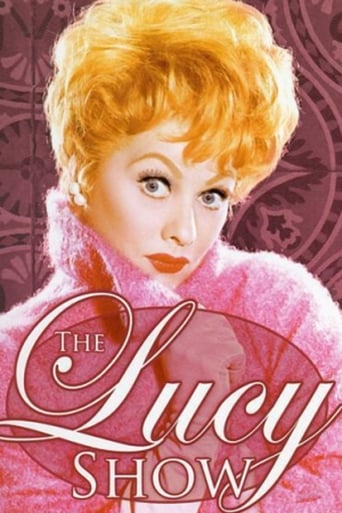
The Lucy Show is an American sitcom that aired on CBS from 1962–68. It was Lucille Ball's follow-up to I Love Lucy. A significant change in cast and premise for the 1965–66 season divides the program into two distinct eras; aside from Ball, only Gale Gordon, who joined the program for its second season, remained. For the first three seasons, Vivian Vance was the co-star. The earliest scripts were entitled The Lucille Ball Show, but when this title was declined, producers thought of calling the show This Is Lucy or The New Adventures of Lucy, before deciding on the title The Lucy Show. Ball won consecutive Emmy Awards as Outstanding Lead Actress in a Comedy Series for the series' final two seasons, 1966–67 and 1967–68.
The Lucy Show
1962
 7.4
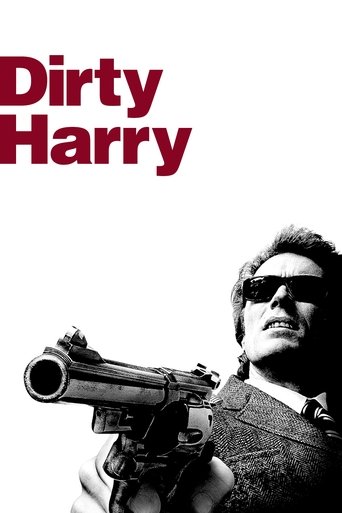
When a madman dubbed 'Scorpio' terrorizes San Francisco, hard-nosed cop, Harry Callahan – famous for his take-no-prisoners approach to law enforcement – is tasked with hunting down the psychopath.
Dirty Harry
1971
 5.9
Herbie, the Volkswagen Beetle with a mind of its own, is racing in the Monte Carlo Rally. But thieves have hidden a cache of stolen diamonds in Herbie's gas tank, and are now trying to get them back.
Herbie Goes to Monte Carlo
1977
 7.1
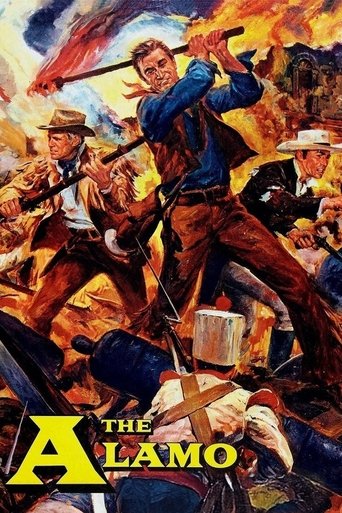
The legendary true story of a small band of soldiers who sacrificed their lives in hopeless combat against a massive army in order to prevent a tyrant from smashing the new Republic of Texas.
The Alamo
1960
 8.0
The Delphi Bureau is an American dramatic television series aired in the United States by ABC as one of three elements of The Men, a wheel series shown as part of its 1972-73 schedule. The Delphi Bureau starred Laurence Luckinbill as Glenn Garth Gregory, a man with a photographic memory, whose obscure United States Government "agency" ostensibly did obscure research for the President of the United States. Its actual role was counter-espionage and its main operative was Gregory, whose liaison with the group's unnamed superiors was Sybil Van Lowreen, a Washington D.C. society hostess. A framing design for each episode involved a limerick, a single new line of which was added for each segment of the show, until the entire limerick was completed in the final segment.
Delphi Bureau
1972
 5.9
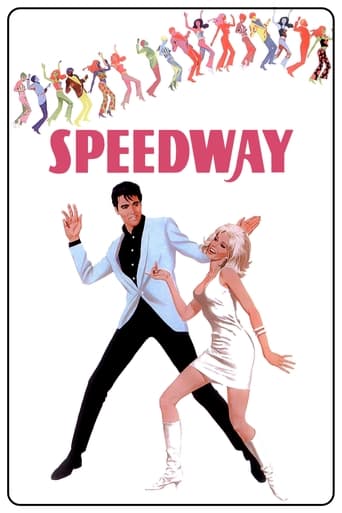
A race car driver tries to outrun the beautiful tax auditor out to settle his account.
Speedway
1968
Film credits
1970s · 8 titles
7.4When a madman dubbed 'Scorpio' terrorizes San Francisco, hard-nosed cop, Harry Callahan – famous for his take-no-prisoners approach to law enforcement – is tasked with hunting down the psychopath.
Dirty Harry
1971
5.9Herbie, the Volkswagen Beetle with a mind of its own, is racing in the Monte Carlo Rally. But thieves have hidden a cache of stolen diamonds in Herbie's gas tank, and are now trying to get them back.
Herbie Goes to Monte Carlo
1977
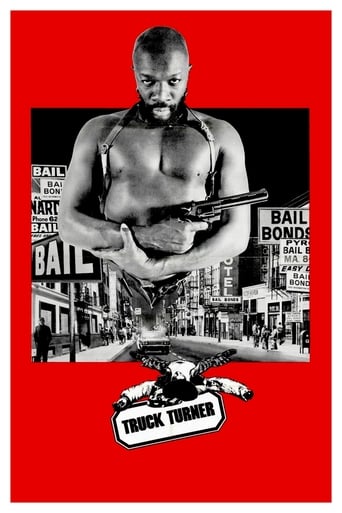 6.5
Truck Turner and his partner Jerry, who make their living as bounty hunters in Los Angeles, are hired to hunt down Gator, a pimp who has skipped bail.
Truck Turner
1974
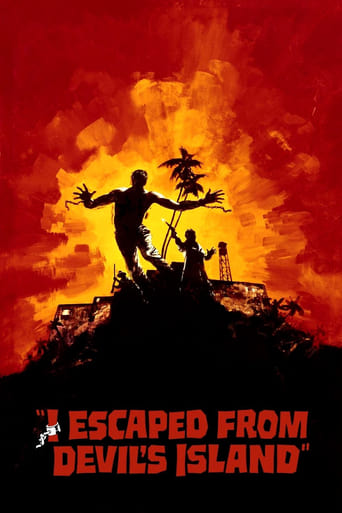 5.1
In 1916, a group of prisoners plot their escape from the notorious fortress located in French Guiana.
I Escaped from Devil's Island
1973
 4.9
Biography of the famed motorcycle daredevil, much of which was filmed in his home town of Butte, Montana. The film depicts Knievel reflecting on major events in his life just before a big jump.
Evel Knievel
1971
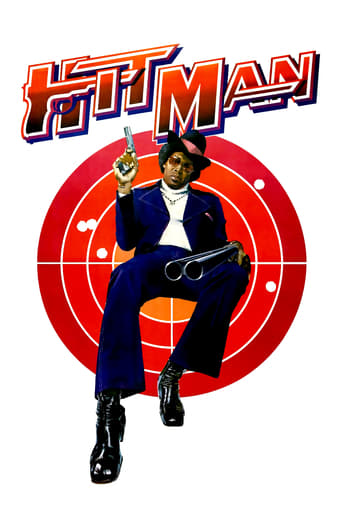 5.6
Bernie Casey portrays Tyrone and Pamela Grier plays a sultry skin-flick star in this first Americanized remake of the iconic Michael Caine action film Get Carter. From Watts to the West Side, from porno parlors to a high-rise, from motel dives to a crime kingpin’s sprawling pleasure dome, from corner hangouts to a wildlife preserve, Tyrone covers a lot of real estate, busts a lot of heads.
Hit Man
1972
 6.8
An aspiring dancer and her two wicked sisters resent their mother's love for a foster daughter.
Black Girl
1972
 5.8
Sexy student teachers at Valley High School give private lessons while being terrorized by a mad rapist
The Student Teachers
1973
1960s · 4 titles
7.1The legendary true story of a small band of soldiers who sacrificed their lives in hopeless combat against a massive army in order to prevent a tyrant from smashing the new Republic of Texas.
The Alamo
1960
5.9A race car driver tries to outrun the beautiful tax auditor out to settle his account.
Speedway
1968
 5.3
Mad scientist Dr. Goldfoot has invented an army of bikini-clad robots programmed to seek out wealthy men and charm them into signing over their assets. Secret agent Craig Gamble and millionaire Todd Armstrong set out to foil his fiendish plot.
Dr. Goldfoot and the Bikini Machine
1965
Western set story of cowpoke Sam who spends the hottest Fourth of July in the history of Brewster County dealing with the problems and people of the area.
Sam
1967
Series credits
7.1The Lucy Show is an American sitcom that aired on CBS from 1962–68. It was Lucille Ball's follow-up to I Love Lucy. A significant change in cast and premise for the 1965–66 season divides the program into two distinct eras; aside from Ball, only Gale Gordon, who joined the program for its second season, remained. For the first three seasons, Vivian Vance was the co-star. The earliest scripts were entitled The Lucille Ball Show, but when this title was declined, producers thought of calling the show This Is Lucy or The New Adventures of Lucy, before deciding on the title The Lucy Show. Ball won consecutive Emmy Awards as Outstanding Lead Actress in a Comedy Series for the series' final two seasons, 1966–67 and 1967–68.
The Lucy Show
1962
8.0The Delphi Bureau is an American dramatic television series aired in the United States by ABC as one of three elements of The Men, a wheel series shown as part of its 1972-73 schedule. The Delphi Bureau starred Laurence Luckinbill as Glenn Garth Gregory, a man with a photographic memory, whose obscure United States Government "agency" ostensibly did obscure research for the President of the United States. Its actual role was counter-espionage and its main operative was Gregory, whose liaison with the group's unnamed superiors was Sybil Van Lowreen, a Washington D.C. society hostess. A framing design for each episode involved a limerick, a single new line of which was added for each segment of the show, until the entire limerick was completed in the final segment.
Delphi Bureau
1972