
Acting
Vladimír Petruška
Born — Died
1923-07-05 — 1986-05-04
Place of birth
Gelnica, Czechoslovakia [now Slovakia]
Known for
Acting
Credits
49 titles
Known for
 7.0
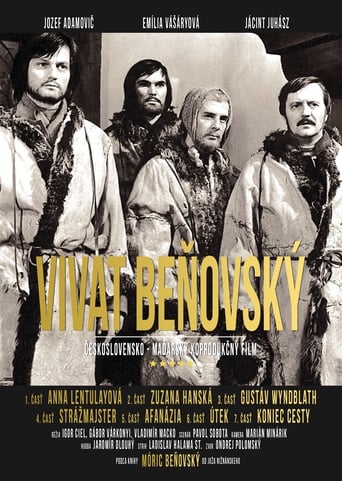
7.0No synopsis available yet.
Vivat Beňovský!
1975
 4.4
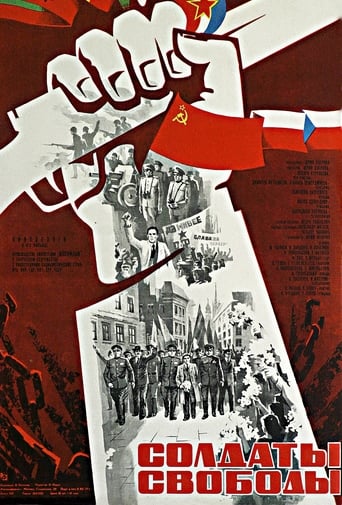
4.4The action of the epic film takes place in the second half of World War II. The plot focuses on the liberation of European countries from German occupation and the anti-fascist activities of the communist parties of these countries. After the victory at Stalingrad, a decisive turn occurred during the war. The main aim is the rallying of all patriotic forces, the creation of a national anti-fascist front in the struggling countries. The swift offensive of the Soviet troops, problems with the opening of a second front, major operations and the offensive of the Soviet army lead to the liberation of Europe. Rebellions are rising in different countries - such as the heroic uprising in Warsaw, in Slovenia, Bucharest and other cities. Brave heroes who performed immortal feats in the name of the happiness of mankind and freedom.
Soldiers of Freedom
1977
No synopsis available yet.
Povstalecká história
1984
No synopsis available yet.
To je váš prípad, Šetaffy.
1986
 7.0
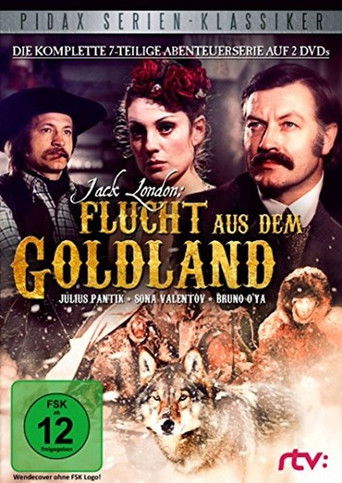
7.0No synopsis available yet.
Útek zo zlatej krajiny
1979
No synopsis available yet.
Parížski mohykáni
1972
Film credits
1980s · 16 titles
 2.5
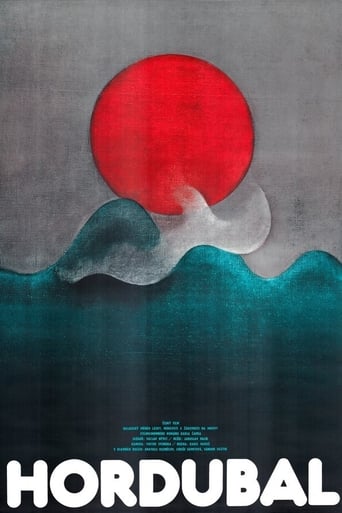
2.5After five years of hard work in America Juraj Hordubal (Anatoliy Kuznetsov) returns back home. He is looking forward to his wife Polana (Libuse Geprtová) and his little daughter Hafie. The family and the village welcome him with hesitation. Everybody believed that Juraj died in America because Polana stopped receiving money from him already two years ago. Polana's farm was prospering first of all thanks to the young stable boy Stepán (Sándor Oszter). Men in the pub first indicate and then say to Juraj directly that Polana has been unfaithful to him with Stepán.
Hordubal
1980
A dramatic love story in the front line.
Na druhom brehu sloboda
1984
Old farmer Martin Hudec summons his three estranged sons back to their native village to mow a family meadow. As they spend days together, old pains and personality clashes surface…
Kosenie Jastrabej lúky
1982
No synopsis available yet.
Kto ste, Jozef Gabčík
1987
 8.0
8.0No synopsis available yet.
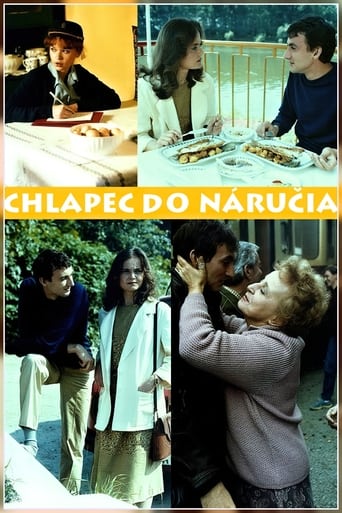
Chlapec do náručia
1986
No synopsis available yet.
Nech sa niekto opováži alebo Ako Ďuro Konôpka o fujaru prišiel
1982
Ivan Hálek, son of the famous poet Vítězslav Hálek, studied medicine and devoted his life to the Slovak countryside. In the poor Kysuce region, he not only treats the local villagers, but also makes an extraordinary contribution to education. At the same time, he struggles with lingering superstitions and mistrust. However, the hero and his young wife also become acquainted with folk customs, songs, and the colorful culture of the poorest. And he proclaims that only those who rid them of terrible mass poverty can provide these poor people with true living water.
Živá voda
1981
No synopsis available yet.
Chlapec z majera
1980
Premature motherhood causes serious emotional and psychological problems; the young mother, deceived in her first, still naive love, thinks that she has not yet enjoyed anything and already has to take care of the baby. Even finishing high school becomes a big problem, which requires a lot of self-sacrifice.
Predčasné leto
1983
No synopsis available yet.
Právom lásky
1984
No synopsis available yet.
Mlyn na piesčine
1983
 5.4
5.4In the dead of night, a few hours after Mozart's death, the usual suspects are summoned to Mozart's room by Count Pergen, head of the secret police, who considered Mozart a potential revolutionary. Over the corpse, he interrogates them, trying to discover the true cause and significance of Mozart's demise.
Forget Mozart
1985
No synopsis available yet.
Ruy Blas
1981
No synopsis available yet.
Príťažlivosť výšky
1985
No synopsis available yet.
Sekera
1985
No synopsis available yet.
Predohra v mol
1983
1970s · 12 titles
 7.0
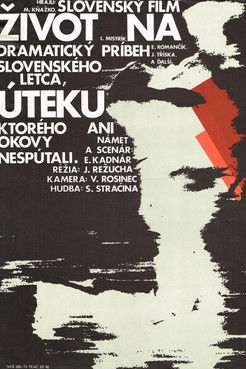
7.0In Slovakia, they often and gladly honored those soldiers who refused to serve the fascist regime and stood against it. Lieutenant Kukorelli also rejected the tempting career of a pilot, instead helping the resistance fighters and later participating in the Slovak National Uprising.
Život na úteku
1976
 10.0
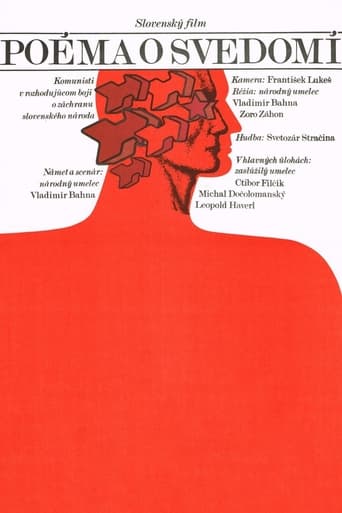
10.0Historical reconstruction of the events of the anti-fascist struggle in Slovakia in 1943 and 1944.
Poéma o svedomí
1979
A television film from the period of World War II, whose hero is Ondrej, living alone in his widow's house. The war has not yet touched him, he has only heard about it from people. One day, however, he learns that the Slovak National Uprising has broken out. Old Ondrej also begins to think about how to help the partisans in their difficult fight. He sets off on a journey to Prašiva with his only horse and a long-hidden rifle to give them to the partisans. The journey is long and Ondrej meets various people on it. By the time he reaches Prašiva, the destination of his journey, he realizes where his place is. And although he is not only at the end of his journey following the partisans, but also at the end of his life, his last words become the confession of a simple man who has realized on whose side truth and justice are.
Slnko vychádza nad Prašivou
1977
No synopsis available yet.
Kde šumí les
1979
 8.0
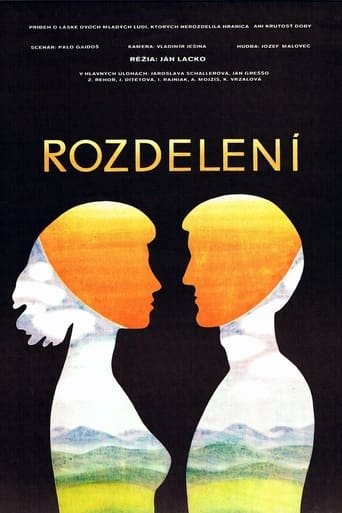
8.0A story about the love of two young people who were not divided by borders or the cruelty of time.
Rozdelení
1977
No synopsis available yet.
Inferno
1970
The myth of the anti-fascist resistance in Slovakia was one of the important themes of normalization cinema, of course, treated with an emphasis on the leading role of the communists. This primitively illustrative film depicts the heroic enthusiasm shown by the members of the resistance group, heroically and with constant commitment of life fighting against the treacherous police of the Slovak state and ultimately against the German Gestapo.
Do posledného dychu
1976
At the beginning of normalization, stories emphasizing civic awareness once again prevailed. The hero here is a teacher from a small village in the foothills, whose inhabitants help the partisans in their fight against fascism. The hero, the only intellectual among them, agrees with them and educates not only his students in this spirit, but is also prepared to lay down his life for his ideals. When German soldiers occupy the village and force the teacher to cooperate, the model situation escalates.
Človek na moste
1972
No synopsis available yet.
Ešte sa nevraciam
1976
Zypa Cupak - with this strangely distorted name, the arduous journey of father Ďur to his nephew's wedding in Belgrade begins. After all, not understanding a foreign language can mean great difficulties and many misunderstandings. And although father Ďur is helped everywhere to reach his destination, he cannot avoid problematic situations.
Zypa Cupak
1976
No synopsis available yet.
Blízke diaľavy
1979
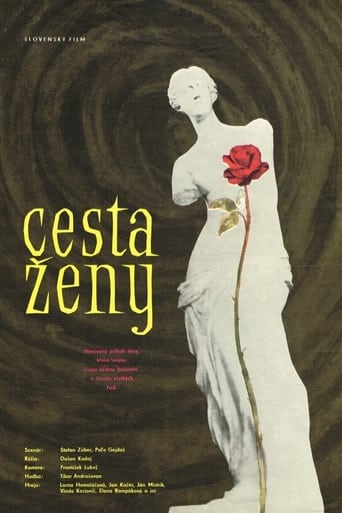 7.0
7.0A chronicle of dramatic events capturing the fates of people living in a Slovak village just after World War II. Thirty years later, the main character Anna recalls a decision that fundamentally changed her life. During the period of incipient collectivization, she chose happiness and a difficult life with a poor man founding a cooperative in the village, although this significantly weakened her relationship with her own mother and at the same time interrupted a long-standing tradition in relation to the preservation of family property.
Cesta ženy
1975
1960s · 5 titles
No synopsis available yet.
Skaly a ľudia
1960
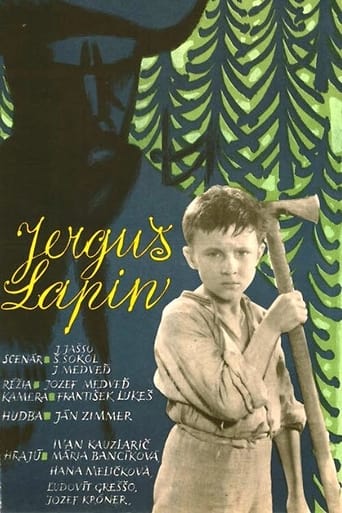 8.0
8.0Little Jerguš's father was killed by gendarmes. To help his mother, the boy is hired as a laborer, then goes to the factory, to the city, but, unable to withstand the cruel exploitation, hoping to become free and independent, returns to the mountains, where his father once fought for the good of the people.
Jerguš Lapin
1960
No synopsis available yet.
Rázcestie
1967
A film about the dramatic lives of the people living in the village of Ráztoka during WW I. Women are left without husbands, families fall apart, finding themselves on the verge of poverty. Eva, the main heroine, is going through difficulties after her husband was drafted to the army. Her defilement and her tragic death cause a rebellion by which the village inhabitants finally stand up against their unbearable situation.
Living Whip
1967
No synopsis available yet.
Kráska a výlet
1966
1950s · 5 titles
The story of the great strike of the workers building the Cervena Skala - Mergecany railway line
The Struggle Will End Tomorrow
1951
Historical satire from the first half of the 19th century, which captures the decay and decline of the landed estate. The impoverished peasants still seem to adhere to the old principles of peasant honor and glory, but the elections will show how easy it is to buy knightly qualities.
Earthly Honor
1958
In the last days of the war, American planes bomb a synthetic gasoline plant in the Sudetenland. The workers are then faced with the enormous task of building a new plant on the site of the ruins and starting production. Their efforts are truly bearing fruit - after immense sacrifices, Stalin's plants are back in full swing, which is something that competitors abroad don't like to see and they try to use the reaction to liquidate the production of synthetic gasoline...
Výstraha
1954
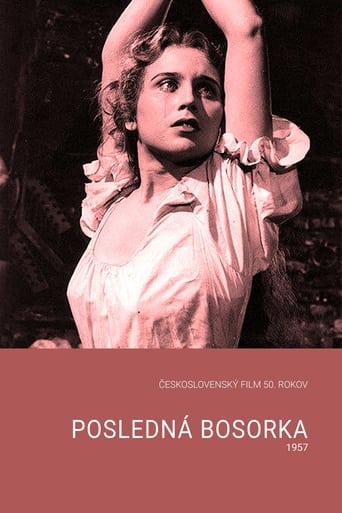 7.9
7.9This dramatic story is situated in the town of Trnava of the 18th century. Painter Peter paints an altar-piece of the Martyrdom of St. Juliet and his model is a young girl. This is much disliked by the clergy who unjustly accuse the girl of witchcraft. She is saved from being burnt at a stake by the students of the Trnava University.
The Last Witch
1957
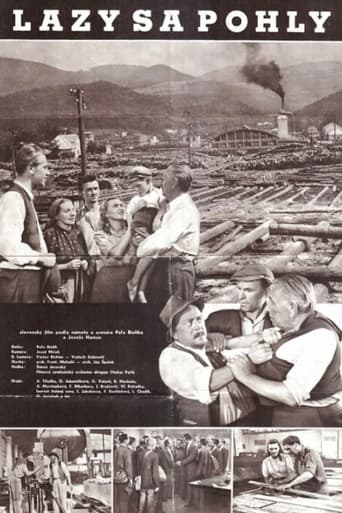 6.5
6.5The life on the poor Slovak hills, the lazy hills, where agriculture is at a primitive stage and where the shelves give a small harvest. Meanwhile, socialist industrialization is reaching an amazing boom in the valleys. Therefore, it is necessary to solve the problem of small farmers on poor farms and the lack of labor in ever-growing industrial enterprises. The film, based on the fate of Matěj Rendek, who returns to Slovakia after 18 years from America, and on the fate of his family, who have toiled for years on poor fields and slaved for a rich farmer, shows how this problem must be solved: an agricultural cooperative is established on the lazy hills, which, with the help of machines, can handle agricultural work better and with a significantly smaller number of laborers, and most of the lazy villagers leave to work at a large sawmill.
Lazy sa pohly
1952
Series credits
7.0No synopsis available yet.
Vivat Beňovský!
1975
4.4The action of the epic film takes place in the second half of World War II. The plot focuses on the liberation of European countries from German occupation and the anti-fascist activities of the communist parties of these countries. After the victory at Stalingrad, a decisive turn occurred during the war. The main aim is the rallying of all patriotic forces, the creation of a national anti-fascist front in the struggling countries. The swift offensive of the Soviet troops, problems with the opening of a second front, major operations and the offensive of the Soviet army lead to the liberation of Europe. Rebellions are rising in different countries - such as the heroic uprising in Warsaw, in Slovenia, Bucharest and other cities. Brave heroes who performed immortal feats in the name of the happiness of mankind and freedom.
Soldiers of Freedom
1977
No synopsis available yet.
Povstalecká história
1984
No synopsis available yet.
To je váš prípad, Šetaffy.
1986
7.0No synopsis available yet.
Útek zo zlatej krajiny
1979
No synopsis available yet.
Parížski mohykáni
1972
No synopsis available yet.
Brána k domovu
1975
No synopsis available yet.
Na baňu klopajú
1981
No synopsis available yet.
Jedenáste prikázanie
1977
No synopsis available yet.
Bocianie hniezdo
1981
No synopsis available yet.
Louis Pasteur
1979