
Writing
Luis Mamerto López-Tapias
Known for
Writing
Credits
8 titles
Known for
 6.0
6.0No synopsis available yet.
El cronicón
1970
 7.0
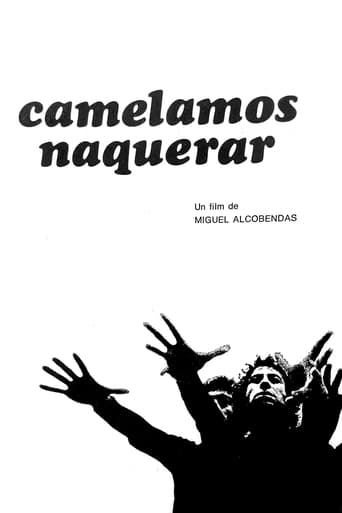
7.0Camelamos naquerar (We Want to Speak) is an adaptation of the theatre play of the same name which was born out of a collaboration between Romani poet and university professor José Heredia Maya and Romani flamenco dancer and choreographer Mario Maya; the latter also performs in the piece, along with other artists. The title in Caló, the language used by Gitanos, translates as ‘we want to speak’, a revolutionary message that illustrates the efforts to reclaim a place in Spanish history for the Roma people and denounce the institutional injustice suffered by the community. It takes as its starting point the Pragmatic decrees signed by the Catholic Monarchs at the end of the fifteenth century, which heralded the long persecution of the Roma people, and continues right up to the twentieth-century Francoist laws.
Camelamos naquerar
1976
No synopsis available yet.
Rocieros
1980
No synopsis available yet.
Villalar
1980
 4.6
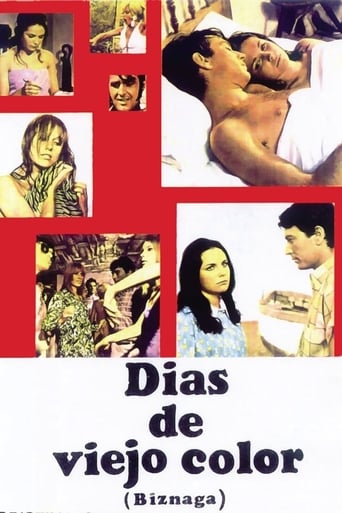
4.6In the Easter holidays of 1967, three friends come to Torremolinos willing to flirt and experience strong emotions. Contact with a new environment, in which while some find the lies that hide behind the luxury and splendor and dangers that accompany life easier, others find true love.
Días de viejo color
1968
 6.5
6.5No synopsis available yet.
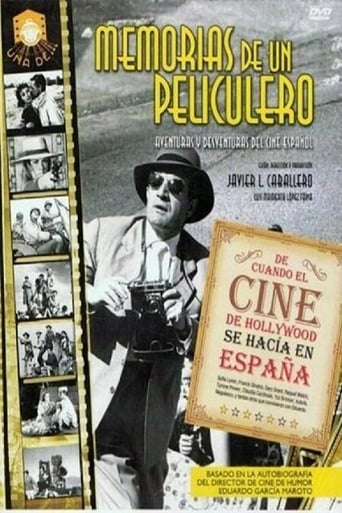
Memorias de un peliculero
2004
Behind the camera
6.0No synopsis available yet.
El cronicón
1970
7.0Camelamos naquerar (We Want to Speak) is an adaptation of the theatre play of the same name which was born out of a collaboration between Romani poet and university professor José Heredia Maya and Romani flamenco dancer and choreographer Mario Maya; the latter also performs in the piece, along with other artists. The title in Caló, the language used by Gitanos, translates as ‘we want to speak’, a revolutionary message that illustrates the efforts to reclaim a place in Spanish history for the Roma people and denounce the institutional injustice suffered by the community. It takes as its starting point the Pragmatic decrees signed by the Catholic Monarchs at the end of the fifteenth century, which heralded the long persecution of the Roma people, and continues right up to the twentieth-century Francoist laws.
Camelamos naquerar
1976
No synopsis available yet.
Rocieros
1980
No synopsis available yet.
Villalar
1980
4.6In the Easter holidays of 1967, three friends come to Torremolinos willing to flirt and experience strong emotions. Contact with a new environment, in which while some find the lies that hide behind the luxury and splendor and dangers that accompany life easier, others find true love.
Días de viejo color
1968
6.5No synopsis available yet.
Memorias de un peliculero
2004
6.5No synopsis available yet.
Memorias de un peliculero
2004
 5.2
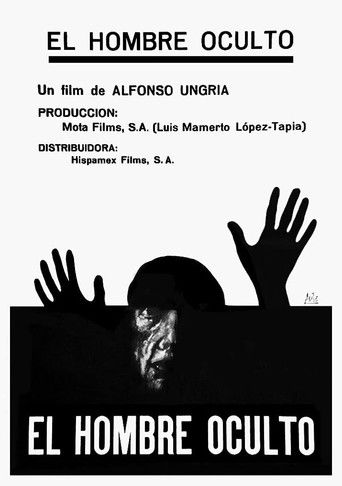
5.2Following the Spanish Civil War, a man goes into hiding to avoid arrest by the victorious Nationalist forces.
Man in Hiding
1971