
Acting
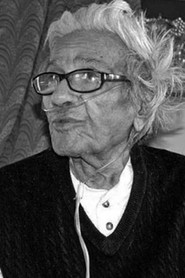
Hari Prasad Rimal
Born — Died
1925-09-20 — 2018-08-31
Known for
Acting
Credits
7 titles
Hari Prasad Rimal (20 September 1925 – 31 August 2018) was a renowned Nepali actor, singer, film director, and one of the pioneering figures in Nepal's performing arts. Widely regarded as the father of Nepali radio drama, he became the first singer to perform on Radio Nepal in the early 1950s with the song "Mann Tukra Bhayera Aakhaako Baato Bahanechha." Rimal also played a significant role in the development of Nepali cinema, appearing in Nepal's first feature film, Aama, and later acting in several notable films including Man Ko Bandh, Ke Ghar Ke Dera, and Santaan. Throughout his long career, he made lasting contributions to Nepali music, radio, theatre, and film, leaving behind a rich cult…
Known for
 NR
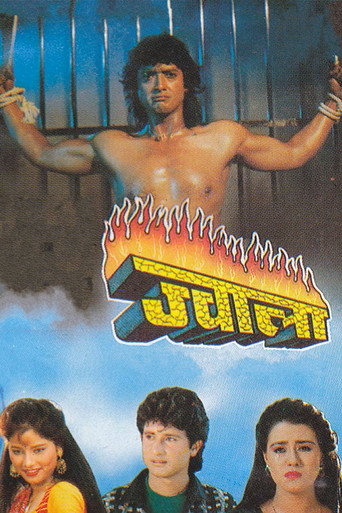
NRArjun's fight for justice and protection for his community from corrupt forces and greed.
Jwala
1994
 NR
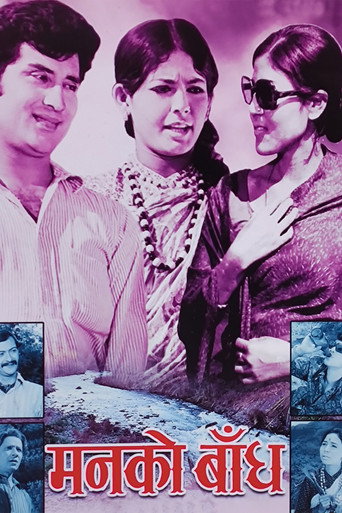
NRShyam leaves his village to study engineering in Kathmandu, hoping to return and serve his community, but fate takes an unexpected turn when he is forced to marry Rupa, betraying his childhood love, Laxmi, who awaits his return.
Mannko Bandh
1974
 NR
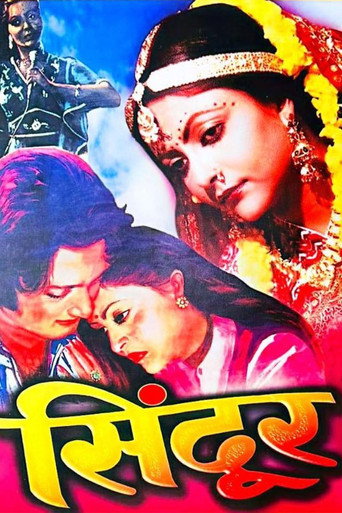
NRUsha and Bikash fall deeply in love, only to be separated when Usha's father is manipulated by Prem's father into marrying her off to Prem, who schemes to acquire her family's wealth.
Sindoor
1979
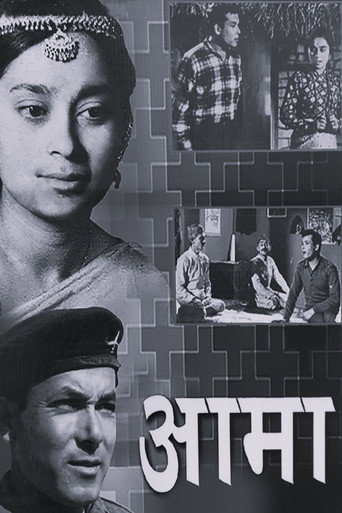 NR
NRAfter fleeing home and returning years later to find his widowed mother dead, Man Bahadur, a devastated young man plans to disappear again until an unexpected opportunity inspires him to serve his nation.
Aama
1965
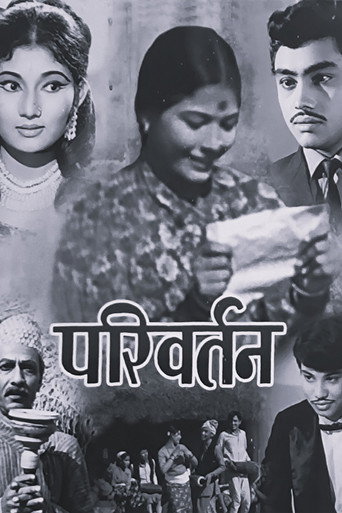 NR
NRShekar, a newly graduated doctor, returns to his village determined to serve his community, but a family debt forces him to pursue a career in the city, where his Western-culture-influenced villager helps him find his way; after a series of life-changing events, the two eventually return home to work for the welfare of their community.
Parivartan
1971
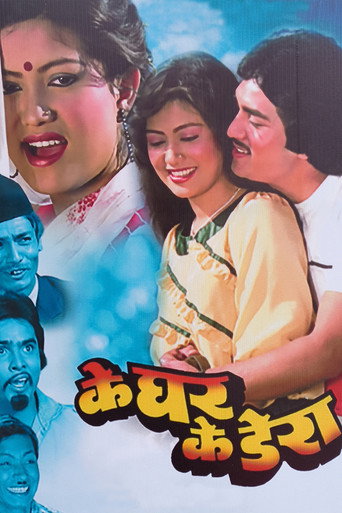 NR
NRDue to mounting debt, Hemanta leaves his village for Kathmandu to earn a living, only to face unimaginable obstacles when he falls in love with his landlord's daughter, Sharmila.
Ke Ghar Ke Dera
1985
Film credits
1990s · 1 titles
1980s · 2 titles
NRDue to mounting debt, Hemanta leaves his village for Kathmandu to earn a living, only to face unimaginable obstacles when he falls in love with his landlord's daughter, Sharmila.
Ke Ghar Ke Dera
1985
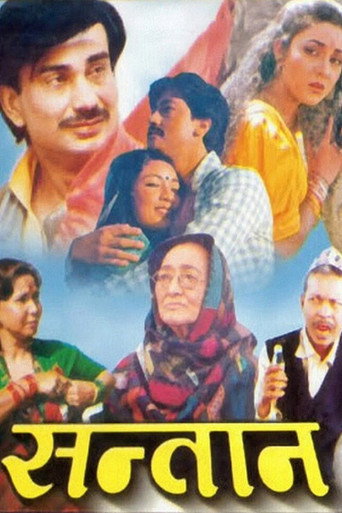 NR
NRThe intertwined lives of several families as they navigate the struggle between older generations striving to uphold traditional values and younger children fighting for independence, forcing them all to confront the true meaning of family bonds.
Santan
1987
1970s · 3 titles
NRShyam leaves his village to study engineering in Kathmandu, hoping to return and serve his community, but fate takes an unexpected turn when he is forced to marry Rupa, betraying his childhood love, Laxmi, who awaits his return.
Mannko Bandh
1974
NRUsha and Bikash fall deeply in love, only to be separated when Usha's father is manipulated by Prem's father into marrying her off to Prem, who schemes to acquire her family's wealth.
Sindoor
1979
NRShekar, a newly graduated doctor, returns to his village determined to serve his community, but a family debt forces him to pursue a career in the city, where his Western-culture-influenced villager helps him find his way; after a series of life-changing events, the two eventually return home to work for the welfare of their community.
Parivartan
1971