
Writing
Heinz Kamnitzer
Born — Died
1917-05-10 — 2001-05-21
Place of birth
Berlin, Germany
Known for
Writing
Credits
6 titles
Known for
 NR
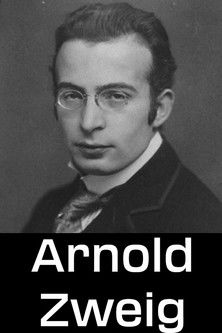
NRA short biography of Arnold Zweig, through the lens of East Germany state media.
Arnold Zweig
1963
 9.0
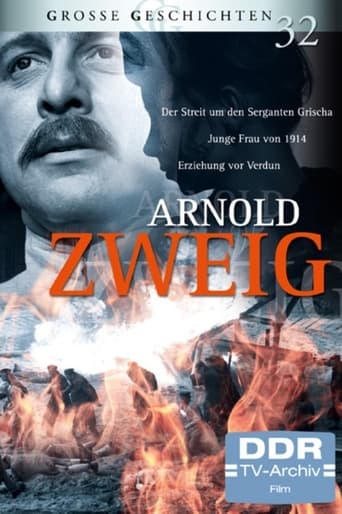
9.0Russian soldier Grisha escapes from a German prisoner-of-war camp in the spring of 1917. He is caught and is to be shot as a spy. This decision is controversial. The dispute continues. Grisha is executed on the orders of the army high command.
Der Streit um den Sergeanten Grischa
1968
 7.0
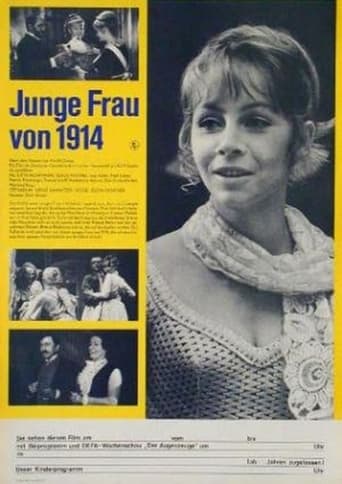
7.0In 1914 Berlin, bank heiress Leonore Wahl and struggling Munich student Werner Bertin fall passionately in love, defying class and her parents’ expectations. Their idyll is shattered by the outbreak of WWI: Werner, swept up in patriotic fervor, is conscripted to the Western Front, while Leonore, pregnant and abandoned, faces her family’s condemnation and a clandestine abortion. Set against the tumult of war, the film explores idealism, social divides, and the personal costs of duty and desire.
Junge Frau von 1914
1970
 7.0
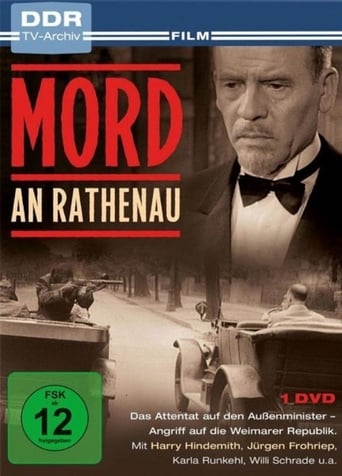
7.0Germany 1922 during the Weimar Republic: Foreign Minister Walther Rathenau signs the Treaty of Rapallo between Germany and the Soviet Union. German national, conservative forces then speak of betrayal and anti-Semitic tones become loud. Plans for murder Rathenaus are forged in the vicinity of the Freikorps. The young engineer Horst Bergmann learns about the preparations of the assassination attempt and tries to warn Rathenau.
Mord an Rathenau
1961
 NR
NRScharnhorst, who said that the army should march at the forefront of progress, is one of the NVA's role models. The film uses historical material to cover the years 1806 to 1813, the Battle of Jena and Auerstädt and the Battle of Leipzig.
Scharnhorst - Der Schöpfer der Volksbewaffnung
1969
 9.0
9.0The armouring soldier and writer Werner Bertin is ordered to the Western Front to France during the First World War. The use before Verdun - with all the horrors of war in the period 1916/1917 - brings a fundamental change of consciousness for the academic from Berlin. The intellectual devoted to bravery by fate develops into a disappointed but rebellious being. He sees more and more the injustices of warlike conflicts and their social causes.
Erziehung vor Verdun
1973
Behind the camera
NRA short biography of Arnold Zweig, through the lens of East Germany state media.
Arnold Zweig
1963
9.0Russian soldier Grisha escapes from a German prisoner-of-war camp in the spring of 1917. He is caught and is to be shot as a spy. This decision is controversial. The dispute continues. Grisha is executed on the orders of the army high command.
Der Streit um den Sergeanten Grischa
1968
7.0In 1914 Berlin, bank heiress Leonore Wahl and struggling Munich student Werner Bertin fall passionately in love, defying class and her parents’ expectations. Their idyll is shattered by the outbreak of WWI: Werner, swept up in patriotic fervor, is conscripted to the Western Front, while Leonore, pregnant and abandoned, faces her family’s condemnation and a clandestine abortion. Set against the tumult of war, the film explores idealism, social divides, and the personal costs of duty and desire.
Junge Frau von 1914
1970
7.0Germany 1922 during the Weimar Republic: Foreign Minister Walther Rathenau signs the Treaty of Rapallo between Germany and the Soviet Union. German national, conservative forces then speak of betrayal and anti-Semitic tones become loud. Plans for murder Rathenaus are forged in the vicinity of the Freikorps. The young engineer Horst Bergmann learns about the preparations of the assassination attempt and tries to warn Rathenau.
Mord an Rathenau
1961
NRScharnhorst, who said that the army should march at the forefront of progress, is one of the NVA's role models. The film uses historical material to cover the years 1806 to 1813, the Battle of Jena and Auerstädt and the Battle of Leipzig.
Scharnhorst - Der Schöpfer der Volksbewaffnung
1969
9.0The armouring soldier and writer Werner Bertin is ordered to the Western Front to France during the First World War. The use before Verdun - with all the horrors of war in the period 1916/1917 - brings a fundamental change of consciousness for the academic from Berlin. The intellectual devoted to bravery by fate develops into a disappointed but rebellious being. He sees more and more the injustices of warlike conflicts and their social causes.
Erziehung vor Verdun
1973