
Directing
Avijit Mukul Kishore
Known for
Directing
Credits
8 titles
Known for
 NR
In a far suburb of Bombay, residents from slums are moved into high-rise apartment complexes with the promise of a better life. While these complexes are built allegedly to house the poor, they have been seen as moves to free prime slum land for commercial development. The complexes soon degenerate into places worse than slums. The film lets the viewer experience the living conditions of places hidden away in a 21st century metropolis.
Vertical City
2011
 NR
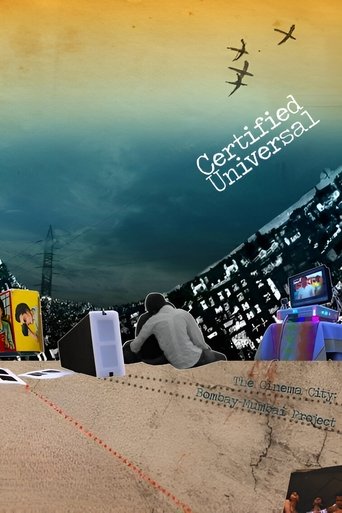
An impressionistic sketch of ‘the public’ as created by our cinema and its relationship with cinema itself.
Certified Universal
2009
 NR
Kaushik Mukhopadhyay assembles and pairs discarded and broken household gadgets into unexpected cyborg-like creatures that occupy the space between machine, toy and home. His objects are quirky, humorous and noisy which tend to break down sometimes. The Film brings to light these narratives of unexpectedness, embodying fragments of political, personal and art history.
Squeeze Lime in Your Eye
2018
 NR
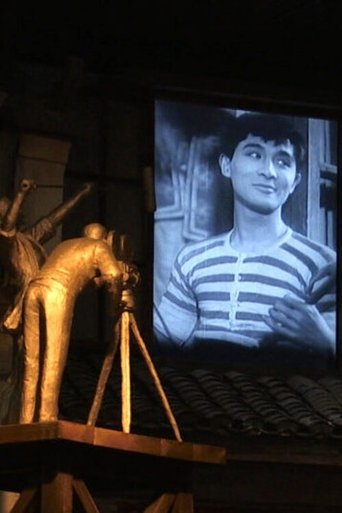
Centred around a film festival of Indian films in China, the Film reflects on the dominant as well as alternative impressions of cultures – people, histories and landscapes – brought to us by cinema, playfully examining the idea of the cinematic image as an integral part of cultural propagation.
Electric Shadows: Journeys in Image-making
2015
 NR
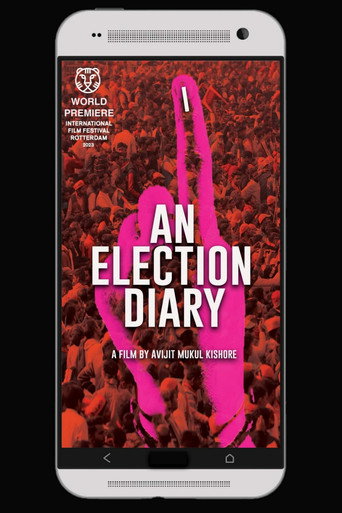
An Election Diary is a revealing glimpse into the 2019 electoral campaign of the Bharatiya Janata Party (BJP) in the suburban constituency of Phulpur in Northern India. Blending street interviews, YouTube video clips and recordings of cadre meetings, the film explores BJP's multi-pronged efforts not just in social media outreach, but also in getting people to voting booths on election day. The persona of Narendra Modi, of the BJP, becomes the hook throughout the campaign, side-lining even the party's local candidate. Infrastructural issues plaguing the constituency are deflected with appeals to India's glowing international image and dissolved in a cult of personality. Avijit Mukul Kishore's film, in contrast, is resolutely local. With dispassionate curiosity, it documents the mechanics of a cog in what is called 'India's Greatest Election Machine'.
An Election Diary
2023
 NR
‘Nostalgia for the Future’ is a film on Indian modernity, the making of the citizen and the architecture of the home. It looks at imaginations of homes across four examples of buildings made over the period of a century. These are Lukhshmi Vilas Palace in Baroda – the gigantic home built by a progressive monarch in the late 19th Century; Villa Shodhan in Ahmedabad – a private residence which represents the idea of domesticity within Nehruvian modernity, designed by Le Corbusier; Sabarmati Ashram in Ahmedabad, which epitomises the Gandhian aspirations of the nation-state; and public housing in post-independence Delhi, designed by the Government of India to house refugees from Pakistan and the bureaucrats of the newly independent nation.
Nostalgia for the Future
2016
Behind the camera
NRIn a far suburb of Bombay, residents from slums are moved into high-rise apartment complexes with the promise of a better life. While these complexes are built allegedly to house the poor, they have been seen as moves to free prime slum land for commercial development. The complexes soon degenerate into places worse than slums. The film lets the viewer experience the living conditions of places hidden away in a 21st century metropolis.
Vertical City
2011
NRAn impressionistic sketch of ‘the public’ as created by our cinema and its relationship with cinema itself.
Certified Universal
2009
NRKaushik Mukhopadhyay assembles and pairs discarded and broken household gadgets into unexpected cyborg-like creatures that occupy the space between machine, toy and home. His objects are quirky, humorous and noisy which tend to break down sometimes. The Film brings to light these narratives of unexpectedness, embodying fragments of political, personal and art history.
Squeeze Lime in Your Eye
2018
NRCentred around a film festival of Indian films in China, the Film reflects on the dominant as well as alternative impressions of cultures – people, histories and landscapes – brought to us by cinema, playfully examining the idea of the cinematic image as an integral part of cultural propagation.
Electric Shadows: Journeys in Image-making
2015
NRAn Election Diary is a revealing glimpse into the 2019 electoral campaign of the Bharatiya Janata Party (BJP) in the suburban constituency of Phulpur in Northern India. Blending street interviews, YouTube video clips and recordings of cadre meetings, the film explores BJP's multi-pronged efforts not just in social media outreach, but also in getting people to voting booths on election day. The persona of Narendra Modi, of the BJP, becomes the hook throughout the campaign, side-lining even the party's local candidate. Infrastructural issues plaguing the constituency are deflected with appeals to India's glowing international image and dissolved in a cult of personality. Avijit Mukul Kishore's film, in contrast, is resolutely local. With dispassionate curiosity, it documents the mechanics of a cog in what is called 'India's Greatest Election Machine'.
An Election Diary
2023
NR‘Nostalgia for the Future’ is a film on Indian modernity, the making of the citizen and the architecture of the home. It looks at imaginations of homes across four examples of buildings made over the period of a century. These are Lukhshmi Vilas Palace in Baroda – the gigantic home built by a progressive monarch in the late 19th Century; Villa Shodhan in Ahmedabad – a private residence which represents the idea of domesticity within Nehruvian modernity, designed by Le Corbusier; Sabarmati Ashram in Ahmedabad, which epitomises the Gandhian aspirations of the nation-state; and public housing in post-independence Delhi, designed by the Government of India to house refugees from Pakistan and the bureaucrats of the newly independent nation.
Nostalgia for the Future
2016
 NR
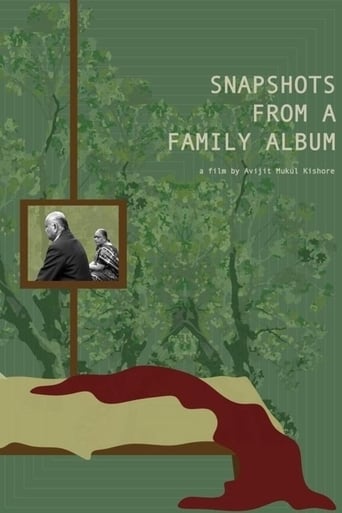
An intimate look at parents, family and relationships from the point of view of a filmmaker son. After graduating from film school, the director captured his parents on film over a period of five years. Quiet moments at home, random conversations, festival prayers; all the myriad events that comprise family life were lovingly and unflinchingly recorded. The film chronicles the challenges of having parents living and working in different cities – Delhi and Bombay – just as the filmmaker faces his own challenges, settling into his career as a cinematographer of documentaries and ‘arty’ films, as perceived by his family.
Snapshots from a Family Album
2004
 NR
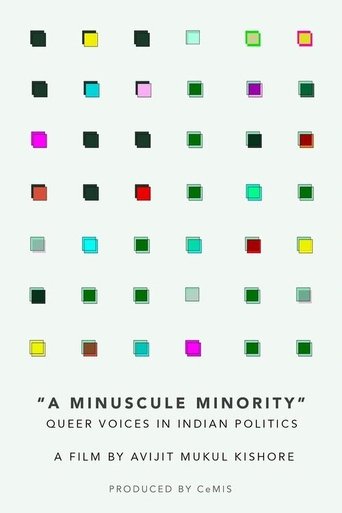
In the 2024 general elections, queer rights were largely absent from political agendas, with only a few parties making token mentions in their manifestos. This documentary captures a key shift in India’s queer rights movement, as young activists move from relying solely on the judiciary to engaging directly with political parties. Through their voices, it explores the efforts to bring queer rights into the political mainstream.
A Minuscule Minority
2025