
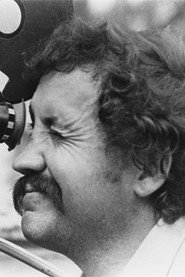
Production
Leonel Brito
Born — Died
1941-05-23 — 2026-07-07
Place of birth
Torre de Moncorvo, Portugal
Known for
Production
Credits
8 titles
Founder of production company 'Cinequanon'.
Known for
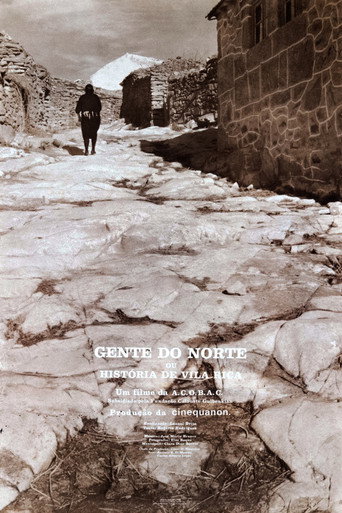 7.0
7.0Chronicle of resistance and hope - about Moncorvo, Trás-os-Montes: roots of the past, discourse of the future, the current reality.
Gente do Norte ou História de Vila Rica
1977
A Portuguese film
João de Deus
1980
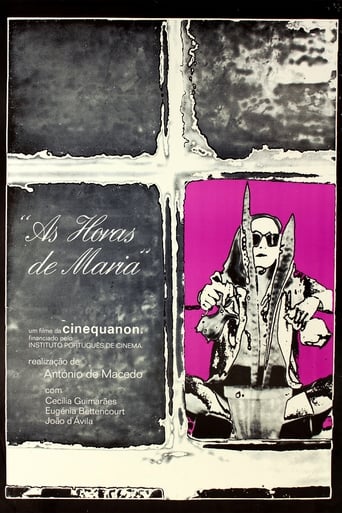 5.8
5.8Maria, a blind girl apparently raped by her stepfather, is held in an isolated and dilapidated hospice, desperately awaiting a miracle by Our Lady of Fátima. Turned over by Angela, her aunt, into the care of Dr. Firmino, an imposing doctor, she will suffer moments of despair, grace, and fear, among beliefs, phantoms, and revelations.
Maria's Hours
1979
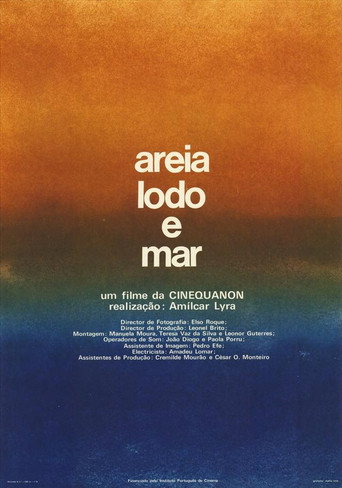 10.0
10.0A documentary about a small touristic village in Algarve, Southern Portugal.
Areia, Lodo e Mar
1977
 2.0
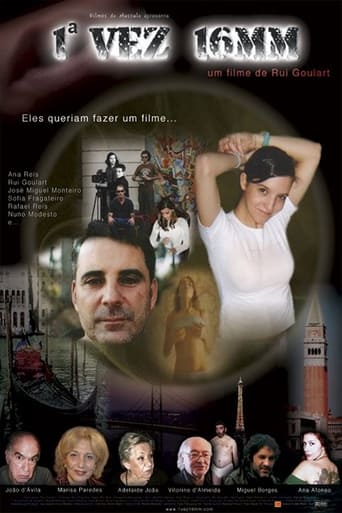
2.0Miguel, a debutant director, and his young team live a series of tribulations during the shootings of their first film, which unrolls between Lisbon, Venice, Paris and Madrid.
1st Time 16mm
2010
Mini biography of the man who dedicated most of his life to collecting films and printed material relative to moving images, and who worked since his 29th birthday, for the creation of a Portuguese film archive - when not even the world's oldest film archive (Stockholm) didn't exist. The emphasis of on camera comments by his wife, friends, and film critics is more on some of the films he saved, then on his personal qualities - his modesty prevailing even then, for this last appearance on film. He would die two years after this television documentary was shown, in the series "Dos Lumière ao Lumiar", for the Portuguese national television, RTP.
Félix Ribeiro - Dr. Celulóide
1980
Film credits
Behind the camera
7.0Chronicle of resistance and hope - about Moncorvo, Trás-os-Montes: roots of the past, discourse of the future, the current reality.
Gente do Norte ou História de Vila Rica
1977
A Portuguese film
João de Deus
1980
10.0A documentary about a small touristic village in Algarve, Southern Portugal.
Areia, Lodo e Mar
1977
Mini biography of the man who dedicated most of his life to collecting films and printed material relative to moving images, and who worked since his 29th birthday, for the creation of a Portuguese film archive - when not even the world's oldest film archive (Stockholm) didn't exist. The emphasis of on camera comments by his wife, friends, and film critics is more on some of the films he saved, then on his personal qualities - his modesty prevailing even then, for this last appearance on film. He would die two years after this television documentary was shown, in the series "Dos Lumière ao Lumiar", for the Portuguese national television, RTP.
Félix Ribeiro - Dr. Celulóide
1980
Mini biography of the man who dedicated most of his life to collecting films and printed material relative to moving images, and who worked since his 29th birthday, for the creation of a Portuguese film archive - when not even the world's oldest film archive (Stockholm) didn't exist. The emphasis of on camera comments by his wife, friends, and film critics is more on some of the films he saved, then on his personal qualities - his modesty prevailing even then, for this last appearance on film. He would die two years after this television documentary was shown, in the series "Dos Lumière ao Lumiar", for the Portuguese national television, RTP.
Félix Ribeiro - Dr. Celulóide
1980
 8.0
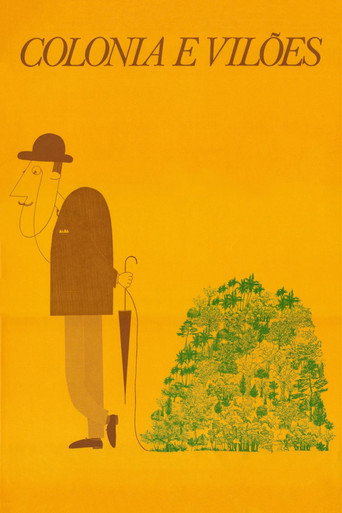
8.0This is a documentary about a way of living in Madeira island in Portugal, after the revolution, after April's 25 in 1974. A unique document for the country and especially for the Madeira island remembering those times of hard living.
Colonia e Vilões
1978