
Acting
Rogério Duarte
Born — Died
1939-04-10 — 2016-04-13
Place of birth
Ubaíra, Bahia, Brazil
Known for
Acting
Credits
8 titles
Known for
 7.2
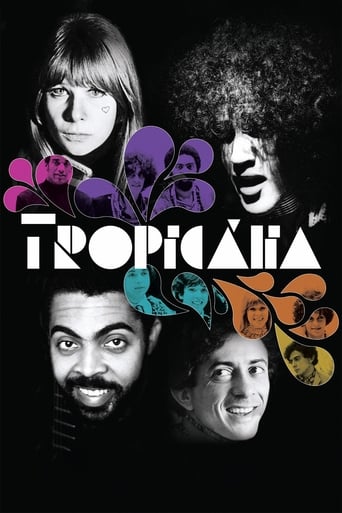
7.2Set against the turbulent atmosphere of the 1960s, Tropicália is a feature length documentary exploring the Brazilian artistic movement known as Tropicália, and the struggle its artists endured to protect their right to freely express revolutionary thought against the traditional Brazilian music of that time.
Tropicália
2012
 NR
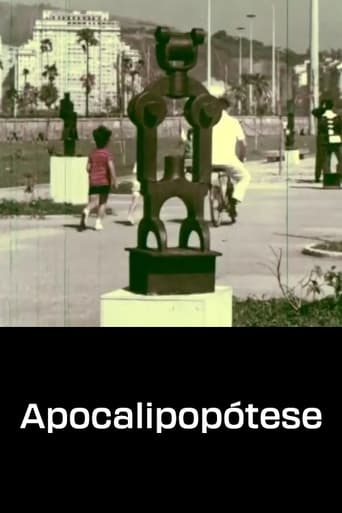
NRApocalipopótese documents a public art happening organized by Rogério Duarte with Hélio Oiticica and Lygia Pape. Duarte coined the event’s title by fusing the words apotheosis, hypothesis, and apocalypse, in order to describe a series of artistic actions that distanced themselves from artistic institutions to approach the streets as the main stage. Apocalipopótese shows a search for the margins as creative methodology.
Apocalipopótese
1969
 5.0
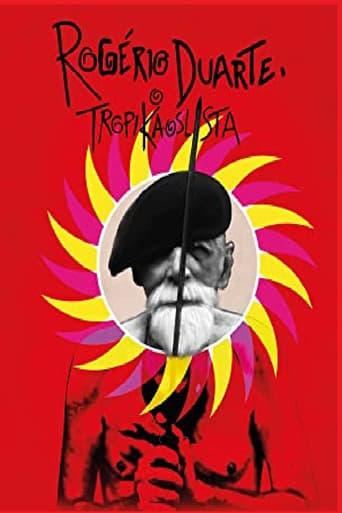
5.0Rogério Duarte is one of the most important names in Tropicália, a Brazilian cultural movement of the 1960s. The plastic artist was one of the first to publicly denounce the tortures committed in the military regime. During the dictatorship, its political action and its cultural achievements mobilized many artists and inspired a whole generation.
Rogério Duarte, o Tropikaoslista
2015
 NR
NRNo synopsis available yet.
Smetak
2018
Documentary with fragments and records about the boundaries between art and counterculture, based on a debate held at the Museum of Modern Art, Rio de Janeiro, in October 1968.
Loucura e Cultura
1973
 6.8
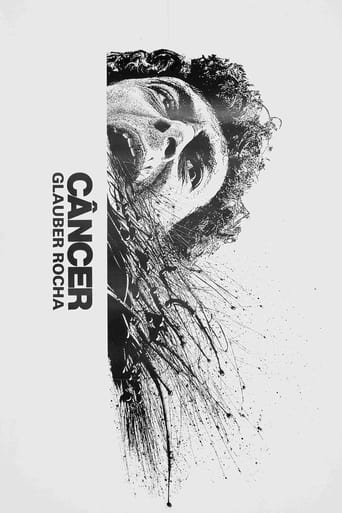
6.8This film shows people with constant psychological and social conflicts: the violence among outlaws, conflicts between man and woman, police and society.
Câncer
1972
Film credits
2010s · 4 titles
7.2Set against the turbulent atmosphere of the 1960s, Tropicália is a feature length documentary exploring the Brazilian artistic movement known as Tropicália, and the struggle its artists endured to protect their right to freely express revolutionary thought against the traditional Brazilian music of that time.
Tropicália
2012
5.0Rogério Duarte is one of the most important names in Tropicália, a Brazilian cultural movement of the 1960s. The plastic artist was one of the first to publicly denounce the tortures committed in the military regime. During the dictatorship, its political action and its cultural achievements mobilized many artists and inspired a whole generation.
Rogério Duarte, o Tropikaoslista
2015
NRNo synopsis available yet.
Smetak
2018
 8.5
8.5A panorama of Brazilian popular music from the 60s and 70s through the musical group Novos Baianos. A retrospective of the community lifestyle adopted by its members and the influence inherited from singer João Gilberto.
Filhos de João, O Admirável Mundo Novo Baiano
2011
1970s · 2 titles
Documentary with fragments and records about the boundaries between art and counterculture, based on a debate held at the Museum of Modern Art, Rio de Janeiro, in October 1968.
Loucura e Cultura
1973
6.8This film shows people with constant psychological and social conflicts: the violence among outlaws, conflicts between man and woman, police and society.
Câncer
1972