
Known for
Nine men gather for a workshop on a rooftop. There they perform confrontations of everyday life, with the police and at the workplace. In the process, the actors engage a space between the theatrical and the real. This is not a film about workers. The factory is a microcosm, a miniature Egypt.
Out on the Street
2015
 8.0
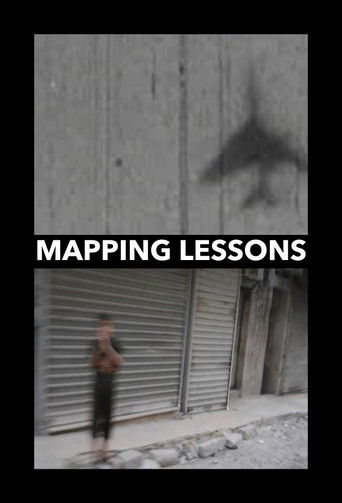
Through the diary entries of the film's main protagonist K., we learn about her return from post-revolutionary Russia to her home in Greater Syria, in which, after the collapse of the Ottoman Empire, individual communities are trying to find a way to autonomy. Thanks to the juxtaposition with the Russian past, presented through shots from Soviet film classics such as Esfir Shub's Spain or Kinoglaz by Dziga Vertov, and the Syrian present, portrayed through various mobile phone footage, the director draws parallels between two incompatible realities and creates a multimedia essay on neo-colonialism and independence.
Mapping Lessons
2020
Terror Tales reflects on the role of the image in creating narratives of terror that legitimize systematic regimes of racism—be it the American Dream or the ongoing Zionist annihilation of Life in Palestine.
Terror Tales
—
 NR
In THIS PALESTINIAN LIFE, director Philip Rizk uses an oral history approach to highlight the stories and perspectives of Palestinian villagers and Bedouin. This method avoids using "experts" to interpret the broader Palestinian-Israeli conflict. Rather, the film's anthropological and ethnographic method portrays the daily life of Palestinian communities, in order to explore in greater depth how Palestinian life is being undermined by the pressure of Israeli occupation. Especially in Gaza, this style reveals the profound fragmentation of community life. The following stories are threaded together and interlaced to reveal the similarity of Israeli measures of occupation throughout Gaza and the West Bank, and the similarity of Palestinian reactions through sumoud – perseverance – to remain on the land.
This Palestinian Life
2009
Three intergenerational fables rooted in Nubian cosmologies confront the erasures wrought by the Aswan High Dam, tracing the rupture between people, the Nile and ancestral knowledge passed down through stories.
O River, We Forced You to Chew Up Their Crops
2026
Behind the camera
Nine men gather for a workshop on a rooftop. There they perform confrontations of everyday life, with the police and at the workplace. In the process, the actors engage a space between the theatrical and the real. This is not a film about workers. The factory is a microcosm, a miniature Egypt.
Out on the Street
2015
8.0Through the diary entries of the film's main protagonist K., we learn about her return from post-revolutionary Russia to her home in Greater Syria, in which, after the collapse of the Ottoman Empire, individual communities are trying to find a way to autonomy. Thanks to the juxtaposition with the Russian past, presented through shots from Soviet film classics such as Esfir Shub's Spain or Kinoglaz by Dziga Vertov, and the Syrian present, portrayed through various mobile phone footage, the director draws parallels between two incompatible realities and creates a multimedia essay on neo-colonialism and independence.
Mapping Lessons
2020
Terror Tales reflects on the role of the image in creating narratives of terror that legitimize systematic regimes of racism—be it the American Dream or the ongoing Zionist annihilation of Life in Palestine.
Terror Tales
—
NRIn THIS PALESTINIAN LIFE, director Philip Rizk uses an oral history approach to highlight the stories and perspectives of Palestinian villagers and Bedouin. This method avoids using "experts" to interpret the broader Palestinian-Israeli conflict. Rather, the film's anthropological and ethnographic method portrays the daily life of Palestinian communities, in order to explore in greater depth how Palestinian life is being undermined by the pressure of Israeli occupation. Especially in Gaza, this style reveals the profound fragmentation of community life. The following stories are threaded together and interlaced to reveal the similarity of Israeli measures of occupation throughout Gaza and the West Bank, and the similarity of Palestinian reactions through sumoud – perseverance – to remain on the land.
This Palestinian Life
2009
Three intergenerational fables rooted in Nubian cosmologies confront the erasures wrought by the Aswan High Dam, tracing the rupture between people, the Nile and ancestral knowledge passed down through stories.
O River, We Forced You to Chew Up Their Crops
2026