
Writing
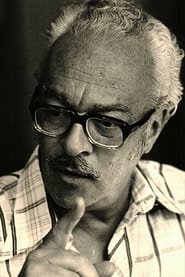
Antonio Callado
Born — Died
1917-01-26 — 1997-01-28
Place of birth
Niterói, Rio de Janeiro, Brazil
Known for
Writing
Credits
7 titles
Antônio Carlos Callado (Niterói, January 26, 1917 – Rio de Janeiro, January 28, 1997) was a Brazilian journalist, novelist, biographer and playwright.
Known for
 NR
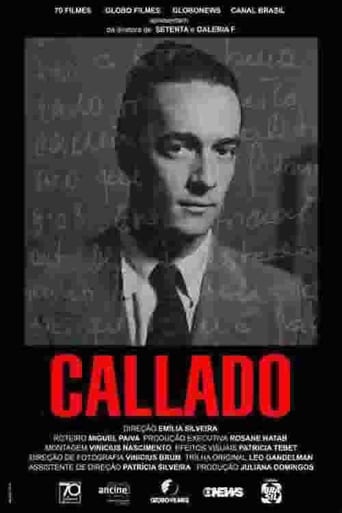
NRA celebration of the centenary of the writer, journalist and democracy activist Antonio Callado. The documentary describes the life story and works of this writer who always sought to understand Brazil. In the early days, he believed in the myth of a country focused on its origins, on the Indians and the fight for freedom. Afterwards, he recognized that he had lived a useless passion and became disenchanted. But his work has the characteristics of a continuous account of the struggles of the common man, in search of love and a better life.
Callado
2017
 7.0
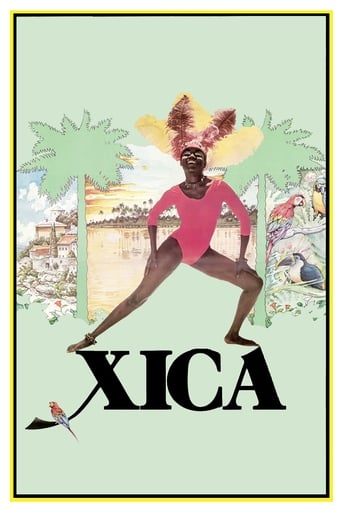
7.0The romanced story of Xica da Silva, a slave that used her "feminine atributes" in order to get power.
Xica
1976
 9.0
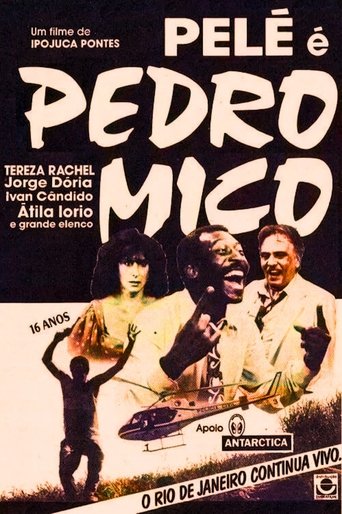
9.0No synopsis available yet.
Pedro Mico
1985
 NR
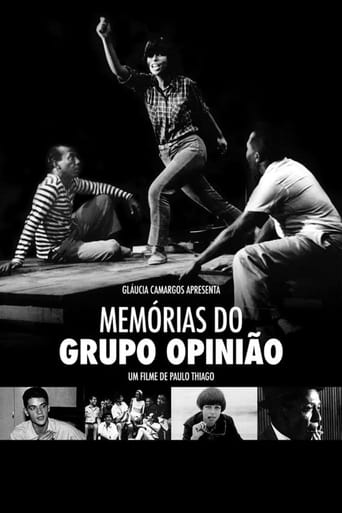
NRFollows the story of Opinião, a theatre group created in 1964 during the early Brazilian dictatorship period to oppose the government through artistic performances. Considered the first left-wing response to the dictatorship, the group gathered now famous Brazilian artists such as Nara Leão, Maria Bethânia, João do Vale and Millôr Fernandes.
Memórias do Grupo Opinião
2019
 7.5
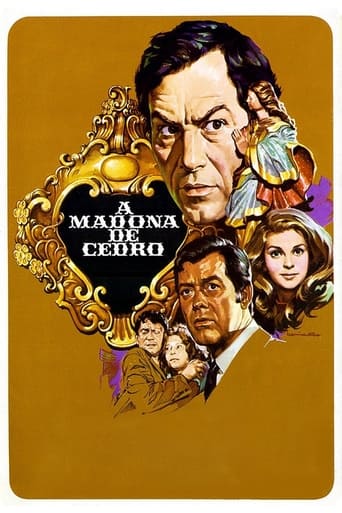
7.5Delfino, a quiet man who lives in Congonhas do Campo, a small historical town in the state of Minas Gerais, Brazil, is urged by his friend to steal the image of the Madona de Cedro (the Cedar Madonna), sculpted by Aleijadinho in the 18th century, from the town sanctuary.
A Madona de Cedro
1968
 NR
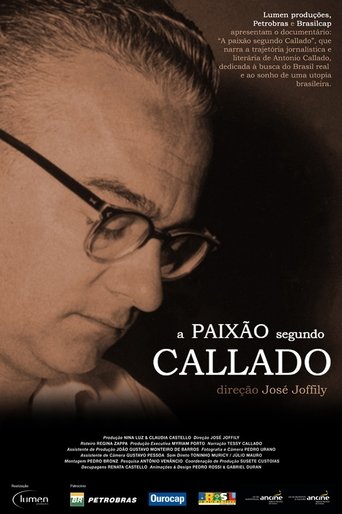
NRCallado said he had to leave Brazil to get to know Brazil. His six-year trip to England and France during World War II sparked a "hunger for Brazil." As a journalist, he traveled to the "geographic center" of his Brazilian identity. As a writer, he reached the depths of his passion for a more just, less prejudiced, freer, and more democratic country.
A Paixão Segundo Callado
2008
Film credits
2010s · 3 titles
NRA celebration of the centenary of the writer, journalist and democracy activist Antonio Callado. The documentary describes the life story and works of this writer who always sought to understand Brazil. In the early days, he believed in the myth of a country focused on its origins, on the Indians and the fight for freedom. Afterwards, he recognized that he had lived a useless passion and became disenchanted. But his work has the characteristics of a continuous account of the struggles of the common man, in search of love and a better life.
Callado
2017
NRFollows the story of Opinião, a theatre group created in 1964 during the early Brazilian dictatorship period to oppose the government through artistic performances. Considered the first left-wing response to the dictatorship, the group gathered now famous Brazilian artists such as Nara Leão, Maria Bethânia, João do Vale and Millôr Fernandes.
Memórias do Grupo Opinião
2019
 NR
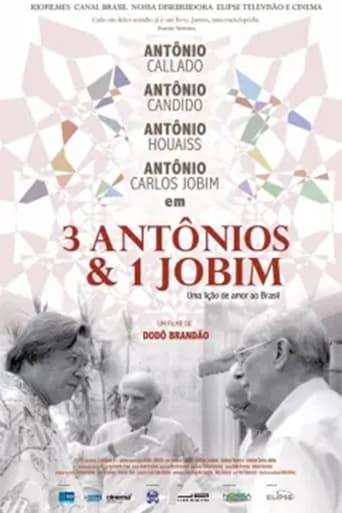
NRGet ready for a feast. In 1993, four of the greatest Brazilian cultural personalities, four Antônios, were brought together by Rodolfo Brandão and Bebeto Abrantes for a recording in Rio, around a lunch table at Chácara do Céu. None other than the critic Antonio Candido, the writer Antônio Callado, the composer Antônio Carlos Jobim and the philologist Antônio Houaiss.
3 Antônios & 1 Jobim
2018
Behind the camera
7.0The romanced story of Xica da Silva, a slave that used her "feminine atributes" in order to get power.
Xica
1976
9.0No synopsis available yet.
Pedro Mico
1985
7.5Delfino, a quiet man who lives in Congonhas do Campo, a small historical town in the state of Minas Gerais, Brazil, is urged by his friend to steal the image of the Madona de Cedro (the Cedar Madonna), sculpted by Aleijadinho in the 18th century, from the town sanctuary.
A Madona de Cedro
1968