
Acting
Herbert Marcuse
Born — Died
1898-07-19 — 1979-07-29
Known for
Acting
Credits
9 titles
Herbert Marcuse (/mɑːrˈkuːzə/ mar-KOO-zə; German: [maʁˈkuːzə]; July 19, 1898 – July 29, 1979) was a German–American philosopher, social critic, and political theorist, associated with the Frankfurt School of critical theory. Born in Berlin, Marcuse studied at Berlin's Friedrich Wilhelm University and then at Freiburg, where he received his Ph.D. He was a prominent figure in the Frankfurt-based Institute for Social Research, which later became known as the Frankfurt School. In his written works, he criticized capitalism, modern technology, Soviet Communism, and popular culture, arguing that they represent new forms of social control.
Known for
 NR
NRNo synopsis available yet.
Zeugen des Jahrhunderts
1979
 8.5
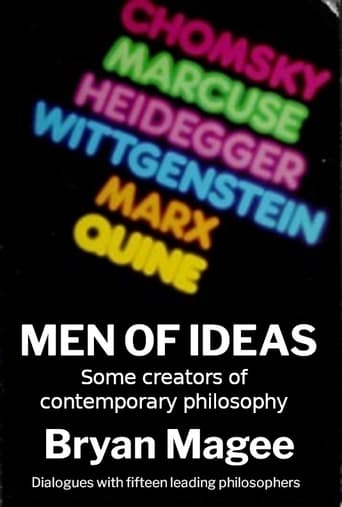
8.5A captivating voyage into the world of intellectual exploration, where host Bryan Magee engages in illuminating dialogues with some of the most distinguished thinkers of the last century. Join Magee in riveting conversations with eminent guests like Herbert Marcuse, A. J. Ayer, John Searle, Noam Chomsky, Iris Murdoch, and W.V. Quine, as they unravel the complexities of philosophy, language, politics, and culture. From the radical reevaluation of Marxism by Herbert Marcuse to the profound insights on language by John Searle and Noam Chomsky, this series presents a tapestry of thought that has shaped our understanding of existence. With each episode, "Men of Ideas" offers a unique window into the minds of these leading philosophers, making it an intellectually invigorating experience for both avid scholars and curious minds alike.
Men of Ideas
1978
 5.1
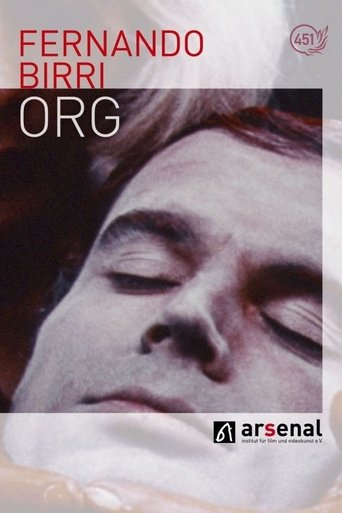
5.1Explores the complex relationship between the spirit, body, and mind. The film is a nightmare with closed eyes because it counts among the most terrible moments of my life, my second exile, which lasted a very long time. Inspired by an ancient Hindu legend.
ORG
1979
 NR
NRA look at the advertising industry.
The Nagging Thoughts
1970
 9.5
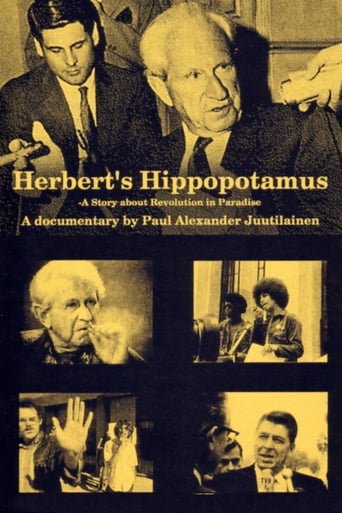
9.5Documentary about the turbulent life, writings, and activism of philosopher Herbert Marcuse, visionary force for the youth movements worldwide during the '60s and 70s.
Herbert's Hippopotamus: Marcuse and Revolution in Paradise
1997
 NR
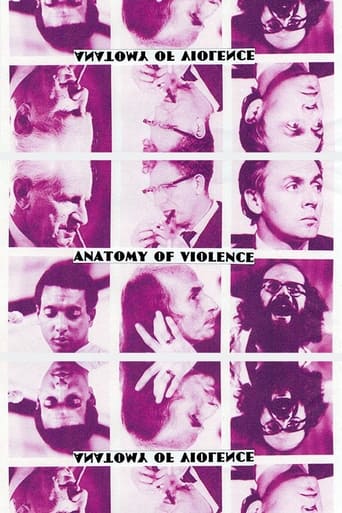
NRDocumentary of the Symposium on the Dialectics of Liberation and the Demystification of Violence, held in London, July 1967, organized by R.D.Laing, with Stokely Carmichael, Allen Ginsberg, Paul Goodman, Herbert Marcuse, John Gerassi, and many others. An important record of the spectrum of left-wing politics and personalities during the turbulent Sixties.
Anatomy of Violence
1967
Film credits
1970s · 2 titles
5.1Explores the complex relationship between the spirit, body, and mind. The film is a nightmare with closed eyes because it counts among the most terrible moments of my life, my second exile, which lasted a very long time. Inspired by an ancient Hindu legend.
ORG
1979
Ten million German citizens were able to watch cohabiting couples, kissing homosexuals, group sex and the phallus of writer Fernando Arrabal on screen for the first time an hour before midnight on October 20. Eight percent of viewers rated the study, which was overloaded with porn commercials and superficial in its commentary, as "very good", 22 percent thought it was "good", a third thought it was "very bad" -- everyone was talking about it.
Obszönität als Gesellschaftskritik?
1970
1960s · 2 titles
NRDocumentary of the Symposium on the Dialectics of Liberation and the Demystification of Violence, held in London, July 1967, organized by R.D.Laing, with Stokely Carmichael, Allen Ginsberg, Paul Goodman, Herbert Marcuse, John Gerassi, and many others. An important record of the spectrum of left-wing politics and personalities during the turbulent Sixties.
Anatomy of Violence
1967
 NR
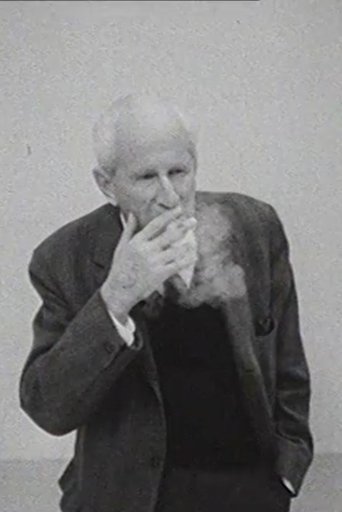
NRNo synopsis available yet.
Incontri: un'ora con Herbert Marcuse
1968
Series credits
NRNo synopsis available yet.
Zeugen des Jahrhunderts
1979
8.5A captivating voyage into the world of intellectual exploration, where host Bryan Magee engages in illuminating dialogues with some of the most distinguished thinkers of the last century. Join Magee in riveting conversations with eminent guests like Herbert Marcuse, A. J. Ayer, John Searle, Noam Chomsky, Iris Murdoch, and W.V. Quine, as they unravel the complexities of philosophy, language, politics, and culture. From the radical reevaluation of Marxism by Herbert Marcuse to the profound insights on language by John Searle and Noam Chomsky, this series presents a tapestry of thought that has shaped our understanding of existence. With each episode, "Men of Ideas" offers a unique window into the minds of these leading philosophers, making it an intellectually invigorating experience for both avid scholars and curious minds alike.
Men of Ideas
1978