
Known for
 NR
In the eight-part program U3000 (2000), broadcasted by the music station MTV, Schlingensief assumes the role of the presenter who hates himself for his self-love disguised as telegenic selflessness. Common broadcasting formats are all being ridiculed without exception. A socially needy family can qualify for participation by winning the always same outside bet, in order to make their private fate public in front of a running camera and in the presence of passengers in the moving subway. Childlike rounds of games give them the opportunity to improve social welfare, critically watched by a jury made up of the handicapped actors from Schlingensief's ensemble. Aged show stars like Maria and Margot Hellwig, Christian Anders or Roberto Blanco are used in a talk-show wagon as cheap fodder and are forced to show compassion with such victims of the market economy. The bands of the MTV generation (Atari Teenage Riot, Surrogat, Söhne Mannheims and others) play in the dance wagon.
U3000
2000
No synopsis available yet.
Schlingensiefs U3000
2000
A documentary about the rave and techno scene of the 90s. Back then, this emerging youth scene was still unfamiliar to most people and difficult to categorize.
Party! Party! Party! – Der lange Tanz des Techno
1996
 6.8
German mockumentary about the history of the techno band of the same name. Fraktus were once considered the pioneers of techno. Now, after 25 years, they are planning their big comeback. The band is supported by their manager Roger Dettner, who used a trick to get the band back together.
Fraktus
2012
 8.0
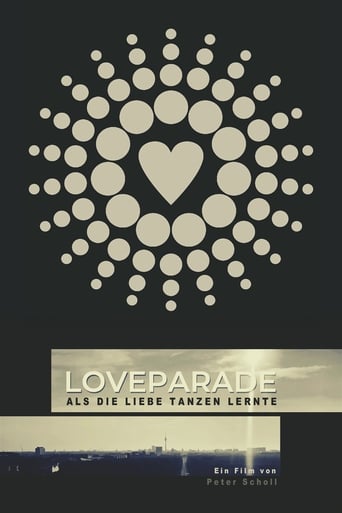
At the end of the Cold War, something new arised that should influence an entire generation and express their attitude to life. It started with an idea in the underground subculture of Berlin shortly before the fall of the Wall. With the motto "Peace, Joy, Pancakes", Club DJ Dr. Motte and companions launched the first Love Parade. A procession registered as political demonstration with only 150 colorfully dressed people dancing to house and techno. What started out small developed over the years into the largest party on the planet with visitors from all over the world. In 1999, 1.5 million people took part. With the help of interviews with important organizers and contemporary witnesses, the documentary reflects the history of the Love Parade, but also illuminates the dark side of how commerce and money business increasingly destroyed the real spirit, long before the emigration to other cities and the Love Parade disaster of Duisburg in 2010, which caused an era to end in deep grief.
Love Parade: When Love Learned to Dance
2019
Film credits
2010s · 2 titles
6.8German mockumentary about the history of the techno band of the same name. Fraktus were once considered the pioneers of techno. Now, after 25 years, they are planning their big comeback. The band is supported by their manager Roger Dettner, who used a trick to get the band back together.
Fraktus
2012
8.0At the end of the Cold War, something new arised that should influence an entire generation and express their attitude to life. It started with an idea in the underground subculture of Berlin shortly before the fall of the Wall. With the motto "Peace, Joy, Pancakes", Club DJ Dr. Motte and companions launched the first Love Parade. A procession registered as political demonstration with only 150 colorfully dressed people dancing to house and techno. What started out small developed over the years into the largest party on the planet with visitors from all over the world. In 1999, 1.5 million people took part. With the help of interviews with important organizers and contemporary witnesses, the documentary reflects the history of the Love Parade, but also illuminates the dark side of how commerce and money business increasingly destroyed the real spirit, long before the emigration to other cities and the Love Parade disaster of Duisburg in 2010, which caused an era to end in deep grief.
Love Parade: When Love Learned to Dance
2019
Series credits
NRIn the eight-part program U3000 (2000), broadcasted by the music station MTV, Schlingensief assumes the role of the presenter who hates himself for his self-love disguised as telegenic selflessness. Common broadcasting formats are all being ridiculed without exception. A socially needy family can qualify for participation by winning the always same outside bet, in order to make their private fate public in front of a running camera and in the presence of passengers in the moving subway. Childlike rounds of games give them the opportunity to improve social welfare, critically watched by a jury made up of the handicapped actors from Schlingensief's ensemble. Aged show stars like Maria and Margot Hellwig, Christian Anders or Roberto Blanco are used in a talk-show wagon as cheap fodder and are forced to show compassion with such victims of the market economy. The bands of the MTV generation (Atari Teenage Riot, Surrogat, Söhne Mannheims and others) play in the dance wagon.
U3000
2000
No synopsis available yet.
Schlingensiefs U3000
2000