
Known for
A father/son get-together trying, in their inept way, to do some repair work to their home that they have out in the country.
Boy's Vacation
1989
Eliška Junková, born in Olomouc, is among the first women in Czechoslovakia to earn a driving licence. After winning several European races, she competes in the famous Targa Florio in 1928, earning multiple awards. Following her husband's death at the Nürburgring, she ends her racing career, yet even in its brevity, joins Europe's elite. The portrait of Junková is made by the late director Rudolf Adler, a teacher of documentary filmmaking and author of the first textbooks on the subject, who headed FAMU's Department of Documentary Film from 1990 to 1994.
Why Not?
1982
 6.0
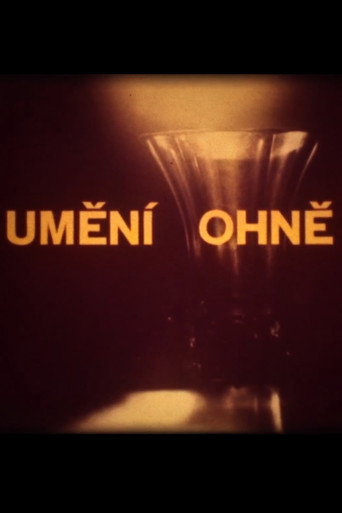
The glass industry, focusing on the master craftsmen of Bohemian crystal.
The Art of Fire
1979
The film on a piece of speech in šalanda (1975) is a time-lapse feature documentary that he shot with the inhabitants of řihákov Mlyn in 1972.
Rudolf Adler: A Talk in the Mill
2021
No synopsis available yet.
V hlavní roli Oldřich Nový
1980
This documentary-style story tells the story of an aspiring documentary filmmaker who is preparing a film about the history of glassmaking. He is honestly gathering information, slowly getting closer to an unknown and not always accessible environment, to people, whose actions he often doesn't understand because he misses their motivations... Shards for Eva is certainly not a skillfully wrought work, but it certainly impresses with its sense of at least partial capture of everyday reality.
Střepy pro Evu
1979
Behind the camera
A father/son get-together trying, in their inept way, to do some repair work to their home that they have out in the country.
Boy's Vacation
1989
Eliška Junková, born in Olomouc, is among the first women in Czechoslovakia to earn a driving licence. After winning several European races, she competes in the famous Targa Florio in 1928, earning multiple awards. Following her husband's death at the Nürburgring, she ends her racing career, yet even in its brevity, joins Europe's elite. The portrait of Junková is made by the late director Rudolf Adler, a teacher of documentary filmmaking and author of the first textbooks on the subject, who headed FAMU's Department of Documentary Film from 1990 to 1994.
Why Not?
1982
6.0The glass industry, focusing on the master craftsmen of Bohemian crystal.
The Art of Fire
1979
6.0The glass industry, focusing on the master craftsmen of Bohemian crystal.
The Art of Fire
1979
The film on a piece of speech in šalanda (1975) is a time-lapse feature documentary that he shot with the inhabitants of řihákov Mlyn in 1972.
Rudolf Adler: A Talk in the Mill
2021
No synopsis available yet.
V hlavní roli Oldřich Nový
1980
This documentary-style story tells the story of an aspiring documentary filmmaker who is preparing a film about the history of glassmaking. He is honestly gathering information, slowly getting closer to an unknown and not always accessible environment, to people, whose actions he often doesn't understand because he misses their motivations... Shards for Eva is certainly not a skillfully wrought work, but it certainly impresses with its sense of at least partial capture of everyday reality.
Střepy pro Evu
1979
No synopsis available yet.
Hrom do kapelníka
1984
No synopsis available yet.
Hrom do kapelníka
1984
 NR
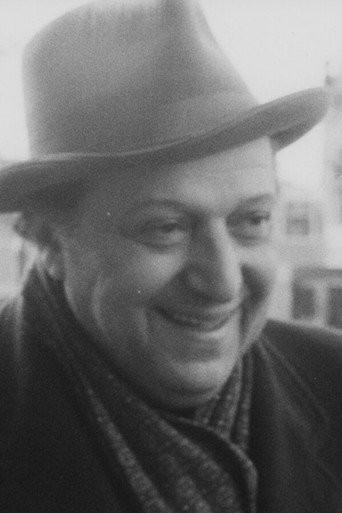
A report on Hugo Haas’s visit to FAMU. Haas is returning to his homeland for the first time from exile in the United States: the film is framed by nostalgic shots of the Vltava River embankment around the National Theatre, an institution he was expelled from due to his Jewish heritage. The main part takes place in a packed lecture hall during a discussion with students, where Haas talks about his career, the acting profession and his experiences in Hollywood. Footage from the discussion is interspersed with clips from his films, particularly The White Disease (1937). The film is a documentary project by fourth-year students.
Hugo Haas 1964
1964