
Production
Matsuo Takahashi
Known for
Production
Credits
3 titles
Known for
 8.0
8.0Kumi (Yurika Nakamura) is a transfer student at a prestigious high school. She meets Hyo (Yosuke Sugino) who is handsome and kind. Kumi falls in love with him and has her first kiss with him, but Hyo is famous for being a womanizer at school. After she discovers his true side, she gets hurts, but her feelings for him doesn't go away.
Flower and the Beast
2017
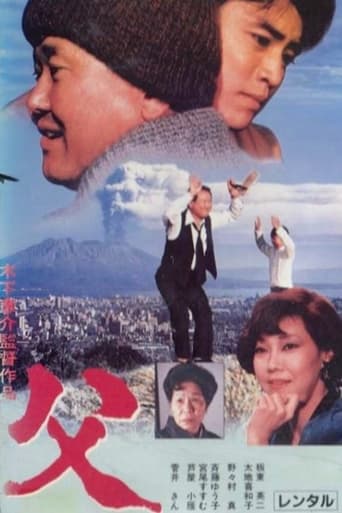 5.5
5.5A middle-aged man's family loses patience with him as he struggles with his seemingly directionless life.
Father
1988
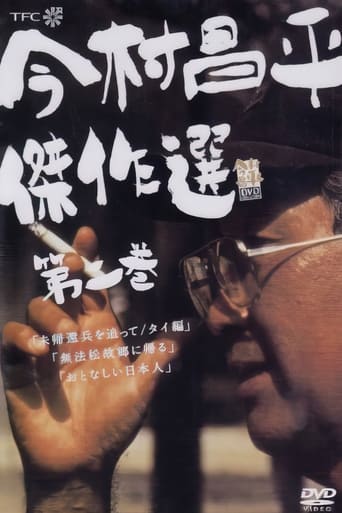 6.3
6.3“In Search of Unreturned Soldiers was about former soldiers of the Japanese army who chose not to return to Japan after the war. I found several of them who had remained in Thailand. Two years later, I invited one of them to make his first return visit to Japan and documented it in Outlaw-Matsu Returns Home. During the filming, my subject Fujita asked me to buy him a cleaver so that he could kill his ‘vicious brother.’ I was shocked, and asked him to wait a day so that I could plan how to film the scene. By the next morning, to my relief, Fujita had calmed down and changed his mind about killing his brother. But I couldn’t have had a sharper insight into the ethical questions provoked by this kind of documentary filmmaking.” —Shôhei Imamura
Outlaw-Matsu Comes Home
1973
Series credits
Behind the camera
5.5A middle-aged man's family loses patience with him as he struggles with his seemingly directionless life.
Father
1988
6.3“In Search of Unreturned Soldiers was about former soldiers of the Japanese army who chose not to return to Japan after the war. I found several of them who had remained in Thailand. Two years later, I invited one of them to make his first return visit to Japan and documented it in Outlaw-Matsu Returns Home. During the filming, my subject Fujita asked me to buy him a cleaver so that he could kill his ‘vicious brother.’ I was shocked, and asked him to wait a day so that I could plan how to film the scene. By the next morning, to my relief, Fujita had calmed down and changed his mind about killing his brother. But I couldn’t have had a sharper insight into the ethical questions provoked by this kind of documentary filmmaking.” —Shôhei Imamura
Outlaw-Matsu Comes Home
1973