

Acting
Leung Suk-Hing
Known for
Acting
Credits
46 titles
Known for
 NR
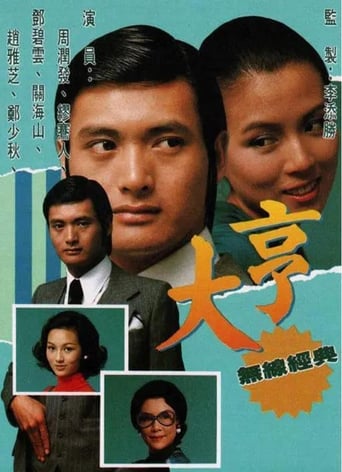
NRVanity Fair is a TVB television series, premiered on January 2, 1978. Theme song "Vanity Fair" composition by Joseph Koo, lyricist by Wong Jim, arrangement by Joseph Koo and Choi Tak Choi, sung by Paula Tsui.
Vanity Fair
1978
 NR
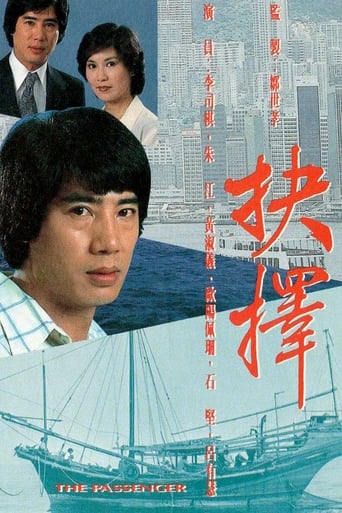
NRThe Passenger is a TVB television series, premiered on May 28, 1979. Theme song "The Passenger" composition and arrangement by Joseph Koo, lyricist by Wong Jim, sung by George Lam.
The Passenger
1979
 8.0
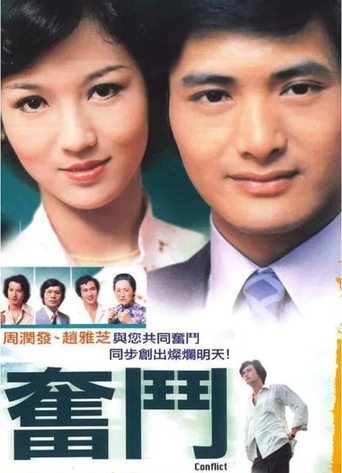
8.0Conflict is a TVB television series, premiered on October 2, 1978. Theme song "Conflict" composition and arrangement by Joseph Koo, lyricist by Wong Jim, sung by Jenny Tseng.
Conflict
1978
 6.1
6.1A tangled murder mystery unfolds amid a complex love triangle. As conflicting witness accounts emerge, the truth about the victim and key suspects is revealed, leading investigators down a dark and twisty path where nothing is as it seems.
The Secret
1979
 NR
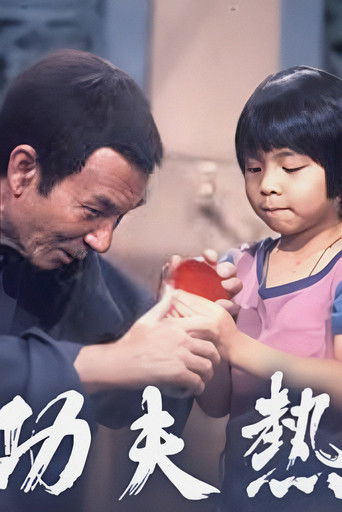
NRLiu Zhong-yuan is a famous martial artist who lives in seclusion with his family. His eldest daughter, Liu Feng, helps him in the clinic while her husband works in England. His second daughter, Liu Yi, has no interest in learning martial arts. Instead, she attends university while her brother, Liu Long, spends his time fighting. Concerned for his son's well-being, Liu Zhong-yuan decides to open a martial arts school. However, Liu Long desires to become a movie star, leading to conflicts with his family and involvement with the criminal underworld. Can Liu Zhong-yuan use his martial arts skills and sense of justice to help his son find his way back?
Kung Fu
1975
 NR
NRNo synopsis available yet.
CiD
1976
Film credits
1960s · 13 titles
 8.0
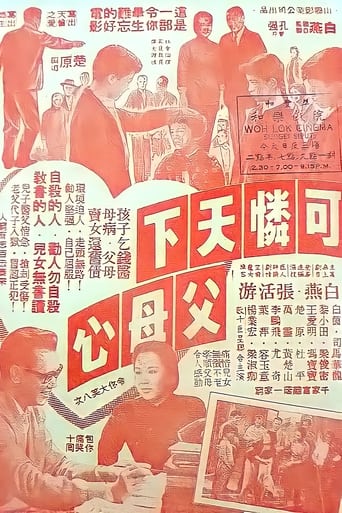
8.0Poor teacher Chan Chi-hong, his wife Lee Yuk-mei and their five children survive on his meagre pay. When he is laid off by two schools in a row, the family runs into difficulties. The children resort to begging on the streets to pay the mother's medical bills. Turning to writing, Chan's novel fails to find a publisher and, worse still, he comes down with tuberculosis. Dealt a further blow by the death of the youngest daughter and the pressures from the loan sharks, Chan contemplates killing himself and his family but changes his mind when he witnesses the sacrifices made by other parents for their children. He vows to be a dutiful father and tries his best to overcome their adversities. His novel is finally published and sells well. Through thick and thin, the family at last sees the light at the end of the tunnel.
The Great Devotion
1960
 NR
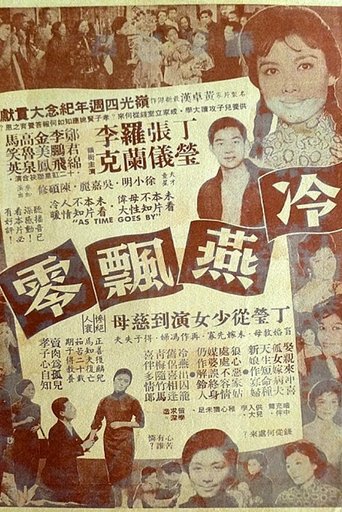
NRYuk Yin's father dies and her mother remarries to settle the debts. Yuk Yin lives with Auntie Wong. From then on, Chi Hung, Auntie Wong's son and Yuk Yin live and play together. But the Wongs move away. Yuk Yin stays with her mother. Her stepfather is mercenary. When Yuk Yin grows up, he pushes her to get married to get money. Considering her daughter's future, Yuk Yin's mother sends her away. Yuk Yin works in a restaurant. When she learns that her mother is ill, she marries a dying rich young man to get money for her mother's treatment. After her mother's death, Yuk Yin gets married immediately, but her husband dies on the wedding night. Her mother-in-law sees this as unauspicious and expels Yuk Yin. Later, Yuk Yin chances upon Chi Hung. They are still in love. They married and have a son Kwok Wah. But Chi Hung dies. Yuk Yin works as a dance girl to support their living. Kwok Wah grows up and cannot accept his mother's job. But soon he understands that she is respectable.
As Time Goes By
1964
 NR
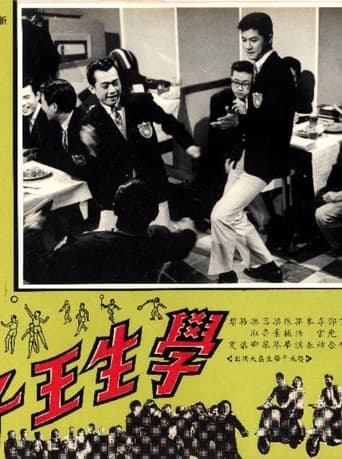
NRTang Wan-tung, the son of a Southeast Asian Sultan is a student in Hong Kong. Only Uncle Mui, his guardian, knows his identity. Tang is known as "student prince". He organises an embassy variety show. Tang invites Lai Tsi-king, who has a lovely voice, to perform in it, but it ruins her chance to study music abroad. Lai’s parents want her to marry Tung Fook-si, the son of a merchant. Lai asks Tang to act for her parents, like a prince courting her. Her parents are convinced, but Tung is not fooled. Tang smuggles Lai out to perform in the embassy. Lai's performance earns her a chance to study overseas, but her parents will not support her. Tang borrows money from his father, but is refused. He pawns his father’s ring to help Lai pay the tuition. Tung takes his father's ring and sells it. Tung's father alerts the police. The rings turn out to be a pair. The police think Tang stole the diamond ring, but Mui tells the truth. Tung is arrested and Tang and Lai have a happy ending.
The Student Prince
1964
 NR
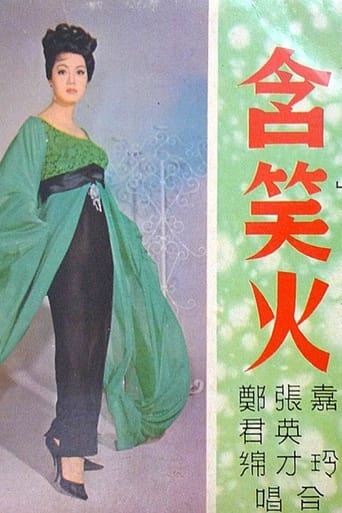
NRBanker Fung Yan-tsang is a seasoned criminal in fraudulent activities. The righteous cat burglar Ham Siu-fo has issued a deadline for Fung to return the scammed money. Despite the obstacles put up by Fung's allies Chow Wai-pak and his stepwife Julie, Ham still manages to reclaim the money which is accordingly returned to the customers. In the process, Ham is reunited with her long-lost twin sister Katherine, Chow's daughter. Since losing her mother whose health took a turn for the worse after Chow's marriage to Julie, Ham has undertaken a chivalrous course in the footsteps of her aunt. She thwarts the scam marriage set up by Fung for Katherine and his idle son, using the servant Chu Yat-keung as bait, and exposes Fung's illicit affair with Julie. Crossing boundaries of class and wealth, the servant Chu and Katherine become man and wife. A happy Ham leaves, continuing to devote her life to the causes of social justice.
Twin Sisters
1966
 NR
NRHong Kong ghost movie set during wartime. Not to be confused with the South Korean film of the same name from the previous year.
The Bride from the Grave
1964
 NR
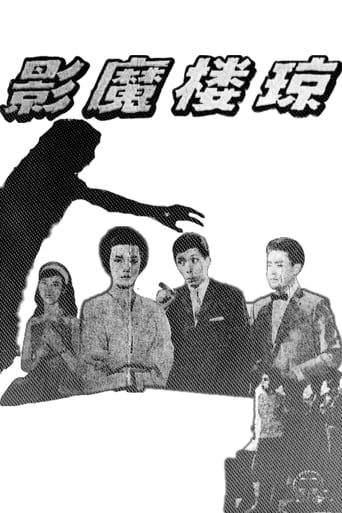
NRHK mystery film.
Phantom of the Jade Chamber
1962
 9.0
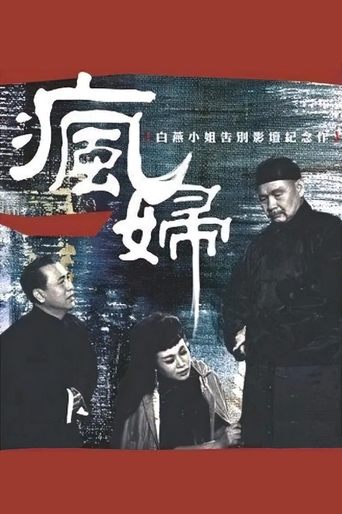
9.0When the village is reportedly terrorized by a ghost of the mad woman, the superstitious great-grandfather refuses modern approach and insists to rely of witchcraft to solve the problems of the village, ensuing tragedy after tragedy.
A Mad Woman
1964
The blind Yip Man-chiu was abandoned at birth. Following the death of his foster parents, the boy is sold by his uncle Ah Sam to a blind Taoist priest, an abusive man. Running away from home, Yip is hit by a car and sent to a school for the blind by the social security workers. His talents impress the musician Siu Kwong and wins him a place in a music school for the blind. There he is joined by fellow students Lung Kwok-kei, a runaway child with an abusive stepmother, Chow Kuen, an abandoned child found on a train, and Cheung Kin-ching, an avid music lover sent to the school by her loving well-to-do father. The four children blossom into accomplished musicians under the tutelage of Siu and his wife and together with the less fortunate others, form an orchestra which earns a reputation for excellence.
Adventure of a Blind Kid
1967
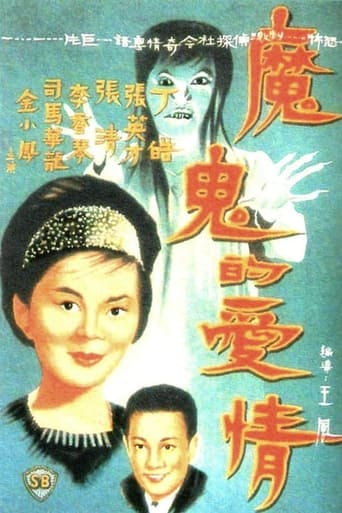 9.0
9.0HK mystery film.
Devil's Love
1964
Lam Siu-ming cannot afford tuition and quitted school. His teacher Ms. Chui intercedes with the principal in vain. She quits. Chui became an orphanage director. She suffers from the orphans’ mischief, but she treats them with love and honesty instead of punishing them. She gets recognition from kids and colleagues. Siu-ming is expelled. He dares not go home and lives on pickpocketing with street boys. Chui learns that Siu-ming is missing and looks for him. Siu-ming feels ashamed and avoids her. Chui finds Siu-ming and takes him and the street boys to the orphanage, yet they cannot be disciplined and escape. Little Bully runs after them, but is beaten down on the railway. Siu-ming's legs are cut off by the train when he tries to save Little Bully. The escaped kids regret for this. Chui's cousin wants her to go abroad together, but at the farewell party, he is moved by the orphans, so he does not force the plan, and decides to stay behind to serve the kids.
Homeless Children
1964
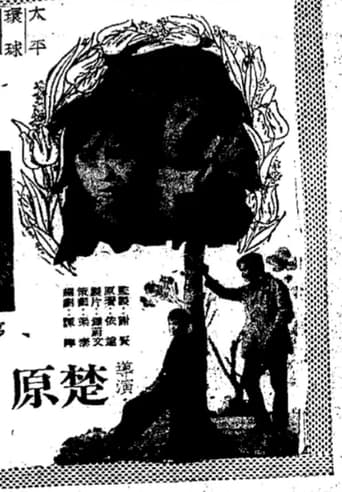 9.0
9.0Inside a café, on Christmas Eve. Chim Kei meets an enigmatic woman named Mimi Wong who introduces herself as the daughter of an upper-crust family. But the infatuated writer is struck by a spasm of sorrow when he later sees Mimi make her appearance as a taxi-dancer at a party. The lovers are reconciled by the story of her plight told by her sister Annie. However, Mimi goes missing on the engagement day. By a stroke of luck, Chim runs into the elusive woman again and finds out how she was forced into prostitution by her drug-addict husband, his childhood best friend and benefactor Chan Hung-kit. Chim leaves dejectedly, and has since been idling his days away. The frail Mimi confesses her love for Chim on her deathbed, and from not far away, Chan has ended his own life.
Winter Love
1968
Wong Chat is jobless. He is forced to become a burglar. He breaks into Han Siu-yu and her boyfriend Cheung Wai-lim's home, but it is just the time when they return. Wong hides in the closet. He eavesdrops that Han and Cheung are a couple, but Han is forced to become the tycoon Chan Koon-kau's mistress for a living. Suddenly, Chan returns, and Cheung hides into the closet too. Wong and Cheung meet in the closet and become friends. Wong is righteous and promises to help Han to escape from Chan's control. Wong and his neighbour Yeung Oi-lin disguise themselves as a pair of Singaporean rich couple and attend a banquet at Chan's home. They want to steal back the document that Chan threatens Han with. But they also find evidence of Chan's drug trafficking. When Chan find out about the stolen document, he confines Cheung and Han and kidnaps Wong's children. But Wong refuses to surrender. During their confrontation, the cops arrive after being informed by Yeung and arrests Chan on the spot.
The Wonderful Partner
1960
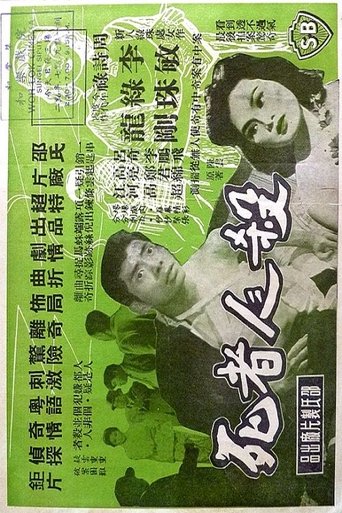 NR
NRA Shaw Brothers production
Death to the Killer
1960
1950s · 22 titles
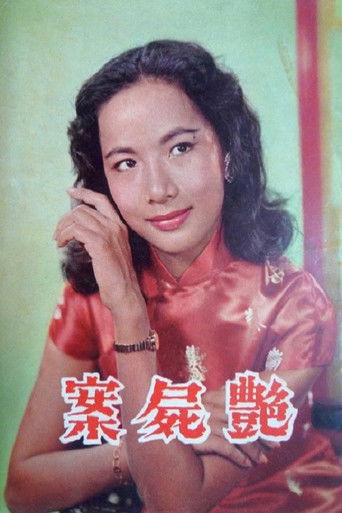 NR
NRA Shaw Brothers production
The Case of the Female Corpse
1959
No synopsis available yet.
鴻運當頭
1953
 8.0
8.0"Family" (1953), which launched the Union Film legacy, "Spring" (1953) and "Autumn" (1954) are adaptations of Ba Jin's highly regarded novel "Torrent Trilogy". In "Family", director Ng Wui skilfully condenses the voluminous first part of the novel into an emotionally powerful and intellectually focused story of youngsters struggling to survive oppression and repression in a feudalistic family. This well-received film quickly established the company's reputation.
Family
1953
No synopsis available yet.
失魂魚
1951
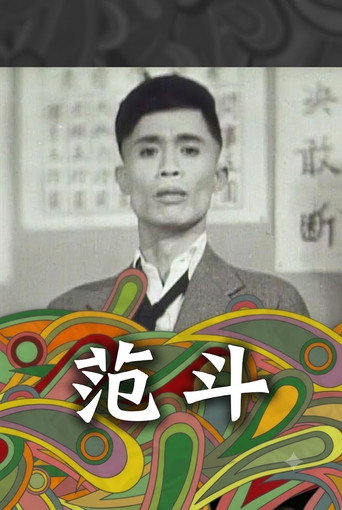 NR
NRNo synopsis available yet.
范斗
1951
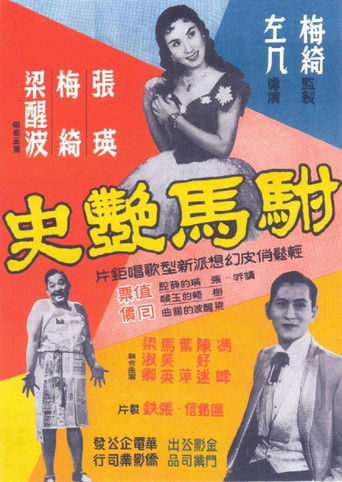 NR
NRMorris the Tailor seeks to get even with Gilbert, Earl of Chen who has stolen a set of expensive clothes from him. Morris bumps into Princess Jenna and the two fall in love at first sight. But the king voices his opposition since Morris is from the grassroots. Gilbert suggests that Jenna's aunt adopts him as her foster son. In a split second, Morris is elevated to a royal and becomes the king's son-in-law.
The Prince's Romantic Affairs
1958
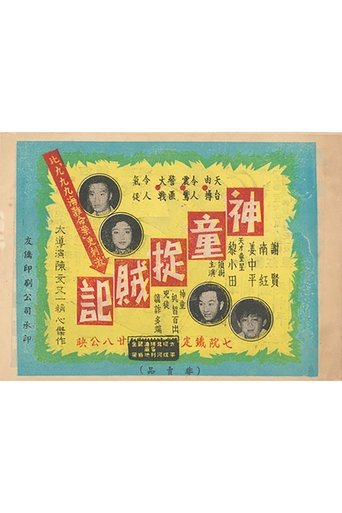 NR
NRYoung shoeshine boy Shing is a mischievous yet kind-hearted child. When he notices that his neighbour, the unemployed Fung, is struggling to make ends meet with a pregnant wife about to give birth, he secretly delivers food to help them. Out of desperation, Fung takes a risk and attempts to steal from their neighbour, dancer Lily, only to stumble upon a crime scene—Lily has just been murdered by the ruthless villain Robert. Fung immediately becomes the primary suspect of the case. Having witnessed everything, Shing reports the truth to the police inspector, but is ignored due to his reputation for lying. Fung flees to the outskirts of the city, where Shing continues to provide him with food in secret. Wracked by guilt and fear, Robert, seeks to silence both Shing and Fung for good, but fortunately, Shing’s quick thinking allows them to escape. His actions raise suspicion from the inspector, leading to a tense battle of wits and strength between Shing, Fung, Robert, and the police.
To Catch a Thief
1958
Hong Kong comedy horror from 1953.
How The Ghosts Trapped Master Cheung the Exorcist
1953
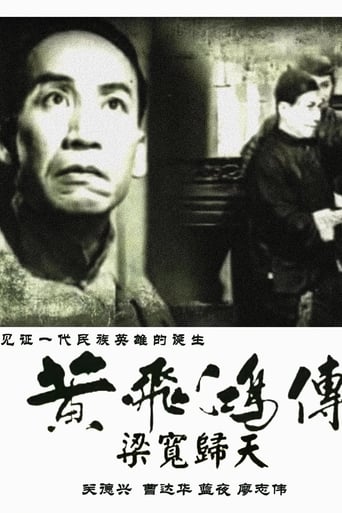 NR
NRThe Story of Wong Fei-Hung, Part 4: The Death of Liang Huan is the fourth movie in Kwan Tak-Hing's Wong Fei-Hung series.
The Story of Wong Fei-Hung, Part 4: The Death of Liang Huan
1950
 10.0
10.0A prodigal son is married to a woman his mother dislikes. The wife is then expelled from the family circle and forced to become independent.
The Prodigal Son
1952
The film commences with Ching (Tang Bik-wan) lamenting over her bleak life through singing: her mother died early and her stepmother (Lam Mui-mui) is wicked. The song precedes her appearance in the house while the cinematography helps to tug at the emotional heartstrings. Because of her debt-ridden father, Ching is forced by the stepmother to marry an old invalid. To prevent the marriage, Ching's lover Ho (Chan Kam-tong) raises money by agreeing to marry his own cousin (Fung Wong Nui). Ching's life is doomed, yet, when the stepmother absconds with the money. With all her hopes dashed to the ground, Ching decides to opt out of marriage for life. However, witnessing her 'self-combed' sworn sisters being bullied even to the point of committing suicide further devastates her. This tragic heroine comes to life through Tang's masterful performance both as a singer and an actor. The climatic and tear-jerking scene of Ching dying is definitely a highlight of the film.
Silk Factory Girl
1955
Ah Chiu is Getting Married
Ah Chiu is Getting Married
1958
Eighteen Marriages of a Smart Girl
Eighteen Marriages of a Smart Girl
1954
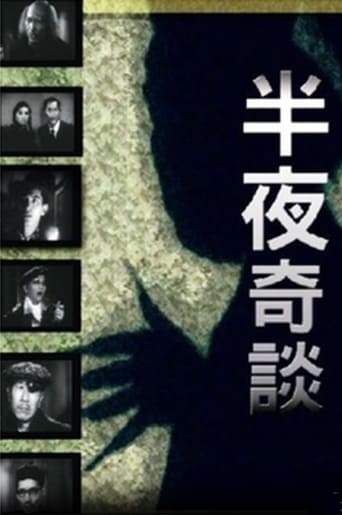 NR
NRUpon the death of an elderly master, a family has a dispute over the distribution of an inheritance / jewelry and are haunted by ghosts.
Strange Tale at Midnight
1955
Musical from Hong Kong directed by Chow Sze-Luk.
Paying Nocturnal Mourning to White Lotus
1952
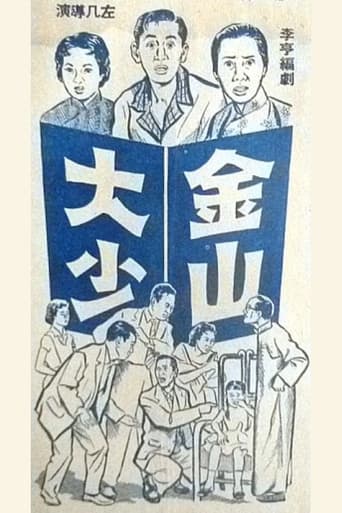 NR
NRAfter inheriting his father's estate, Cheung Ka-bo leads a life of debauchery after getting know Blackie Yuen, who profits at others' expense, and Yee-Wah, who working at a night club. As the family wealth diminishes, he always squabbles with his wife and finally separates from her. She returns a diamond bracelet, kept by Uncle Chan, to her mother-in-law. Bo's mother hides the bracelet in a chair. Later, Wah resides at Bo's home. To flatter Wah, Bo wants to get the bracelet by any means from his mother and give it to Wah. Later, Bo's mother falls ill. In the hospital, she tells Bo of the bracelet's whereabouts but the chair has already been sold to Uncle Chan by Wah. Bo, Wah and Yuen stealthily enter Chan's home to get the chair, but have a big fight when they try to take the bracelet. Knowing that Bo has huge debts, Wah intends to leave him after getting the bracelet. Wah exposes her gluttonous self in her pursuit of the treasure. Bo learns his lesson and returns to his wife.
The Chair
1959
Comedy from Hong Kong directed by Yam Wu-Fa.
A Second Visit to the City of Love
1952
Vagabond singer Ali is embroiled in a dispute over love and is compelled to return to his own country. Ali is mistaken for the future queen's consort and chances to meet her majesty Law Yee. Law falls head over heels for Ali and they get married not long after. However, Ali finds royal formalities unbearable and decides to run away from the palace. Disregarding all rules, Law follows her man to wherever he goes.
My Kingdom for a Husband
1957
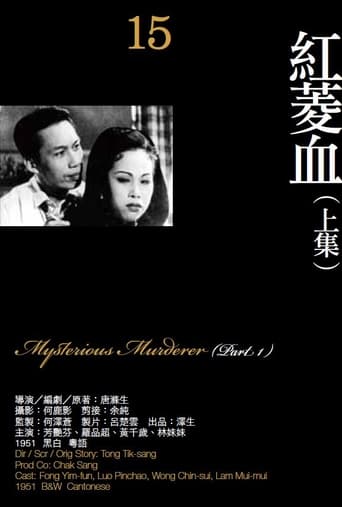 NR
NRFong Yim-fun puts on a tour de force as an ill-fated woman, separated from her lover through an arranged marriage to the terminally ill and impotent son of a warlord. The power struggle within the family led to an inevitable murderous consequence. Seven years later, the heroine's ex-lover, now an ambitious detective, is keen to solve this almost forgotten case, only to discover that he is also part of the enigma.
Mysterious Murder, Part One
1951
Starring Tak-Hing Kwan as Wong Fei-Hung
Wong Fei-Hung Tries His Shadowless Kick
1954
 NR
NRFong Yim-fun puts on a tour de force as an ill-fated woman, separated from her lover through an arranged marriage to the terminally ill and impotent son of a warlord. The power struggle within the family led to an inevitable murderous consequence. Seven years later, the heroine's ex-lover, now an ambitious detective, is keen to solve this almost forgotten case, only to discover that he is also part of the enigma.
Mysterious Murder, Part 2
1951
Law Hing is forced by her stepmother to marry the dumb son of the Tang family. Another girl Au To is forced to marry Ma Siu-fuk, son of the rich Ma family, to pay off her father's debts. On the wedding day, To's lover See Fuk-chau returns from Vietnam. Deeply in love with Fuk-chau, To decides to go to the Ma family to decline the arranged marriage. To avoid the Ma elders and her father from losing face, she begs Siu-fuk to stage a pretended marriage. As the wedding ceremonies proceed, To's bridal sedan collides with Hing's in the street. The carriers lock in a row and a confusion reigns in which the brides take the wrong sedans. To is mistakenly taken to the Tang family, while Hing is sent to the Ma family. Although Siu-fuk is attracted to Hing, he agrees to send her home. The four families attempt to settle the case in court. The judge rules that the previous arrangements are but trades and declares them null and void. Fuk-chau and To can now fulfill their wish.
Five Blessings in a Row
1950
1940s · 2 titles
 NR
NRThe rapier wit is not only for playful bantering between a couple but also for fighting justice. Famed attorney Sung Sai-kit (Ma Si-tsang) is best known for his sharp pen and silver tongue. His wife Madam Tong (Hung Sin Nui), sympathetic with a wronged widow, tries every trick up her sleeve to get her husband to help. Ma is funny and lovable who morphs from the henpecked husband to the brilliant and shrewd attorney at court, he displays perseverance behind his devil-may-care and nonchalant attitude, even Stephen Chow reincarnated his persona in the 1992 version.
The Judge Goes to Pieces
1948
The Kunlun swordsmen carries out a rescue mission to save the little boy who has been abducted by the evil monk. Eager to take revenge on the Kunlun Sect and carry on with his plot to cause chaos, the evil monk seeks help from his fellow brother who uses sorcery to shrink people.
The Vagabond Master, Part 3
1948
Series credits
NRVanity Fair is a TVB television series, premiered on January 2, 1978. Theme song "Vanity Fair" composition by Joseph Koo, lyricist by Wong Jim, arrangement by Joseph Koo and Choi Tak Choi, sung by Paula Tsui.
Vanity Fair
1978
NRThe Passenger is a TVB television series, premiered on May 28, 1979. Theme song "The Passenger" composition and arrangement by Joseph Koo, lyricist by Wong Jim, sung by George Lam.
The Passenger
1979
8.0Conflict is a TVB television series, premiered on October 2, 1978. Theme song "Conflict" composition and arrangement by Joseph Koo, lyricist by Wong Jim, sung by Jenny Tseng.
Conflict
1978
NRLiu Zhong-yuan is a famous martial artist who lives in seclusion with his family. His eldest daughter, Liu Feng, helps him in the clinic while her husband works in England. His second daughter, Liu Yi, has no interest in learning martial arts. Instead, she attends university while her brother, Liu Long, spends his time fighting. Concerned for his son's well-being, Liu Zhong-yuan decides to open a martial arts school. However, Liu Long desires to become a movie star, leading to conflicts with his family and involvement with the criminal underworld. Can Liu Zhong-yuan use his martial arts skills and sense of justice to help his son find his way back?
Kung Fu
1975
NRNo synopsis available yet.
CiD
1976