
Acting
Luis Sergio Lima e Silva
Known for
Acting
Credits
12 titles
Known for
 6.4
6.4Biology professor Edu is an idealistic man who moves with his son Lipe to the charming, fictional town of Nova Aliança, in Minas Gerais, in search of a better quality of life. Edu is engaged to Amelinha, daughter of the wealthy and greedy rancher João Mourão. But this relationship becomes unstable when Edu falls in love with the dreamy lawyer Clara, daughter of Lígia and the experienced lawyer Raul Gouveia. Edu is a single father and tries to always be present in Lipe's life, attempting to keep him away from his mother, Mariana, whose drug addiction prevented her from raising her son. Edu's future father-in-law, João Mourão, is the biggest businessman in Nova Aliança: he owns a farm, a dairy, a meatpacking plant, and a transportation company. João takes issue with Edu when he discovers that the young man is a strong defender of nature and environmental protection laws, which turns him into a rival in the fight for a stretch of virgin forest.
Student's Heart
2002
 8.0
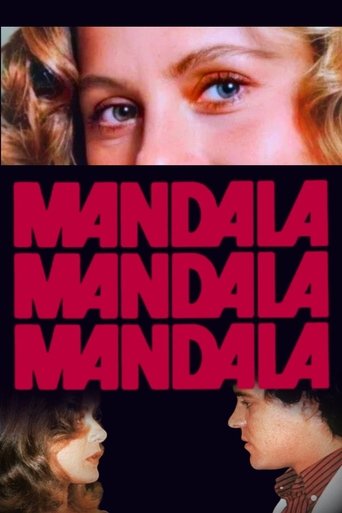
8.0Jocasta, an 18-year-old sociology student and daughter of communist activist Túlio Silveira, is actively involved in the country's political landscape. She is in love with Laio—her polar opposite—a disengaged, esoteric young man who lives off his wealthy father's allowance. A mystic, Laio makes no move without consulting his guru and friend Argemiro, whom he turns to upon learning of Jocasta's pregnancy. The cowrie shell reading reveals that his son is destined to kill him and enter into a romantic relationship with his mother. Terrified, Laio disappears with the child immediately after birth, aided by Argemiro—who loves Laio and loathes Jocasta. Twenty-five years later, Jocasta is a successful yet restless woman searching for her missing son. She is estranged from Laio, who has spent recent years expanding his father's fortune through involvement in underground gambling. On a highway, he encounters Oedipus, unaware that the young man is his son.
Mandala
1987
 8.2
8.2A miniseries chronicling the life of actress Dercy Gonçalves across different stages. With a life marked by personal drama, Dercy was an icon of irreverence and boldness in Brazil.
Dercy de Verdade
2012
 5.0
5.0Ivan Canabrava is a writer, turned insurance ivestigator who investigates mysterious deaths involving Bufo Marinus. Bufo Marinus is a frog poison causing catalepsy in humans, simulating death, enabling grand insurance fraud and other crimes. Ten years later, now as a successful writer, similar characters possibly using Bufo Marinus reappear and create an intricate plot full of surprises.
Bufo & Spallanzani
2001
 5.5
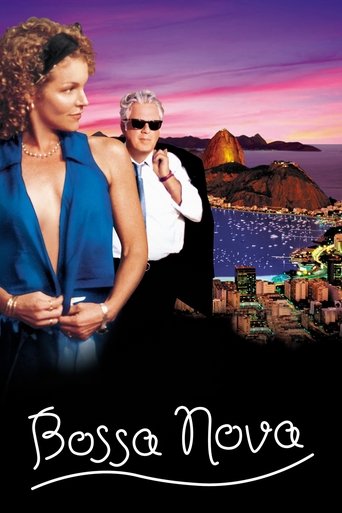
5.5After a chance encounter on the elevator, the lives of Mary Ann, a widowed English teacher, and Pedro, a recently divorced man, intersect against the hot backdrop of Rio de Janeiro.
Bossa Nova
2000
 NR
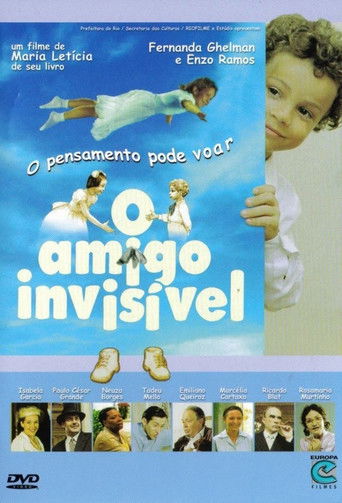
NRNo synopsis available yet.
The Invisible Friend
2006
Film credits

2000s · 5 titles
5.0Ivan Canabrava is a writer, turned insurance ivestigator who investigates mysterious deaths involving Bufo Marinus. Bufo Marinus is a frog poison causing catalepsy in humans, simulating death, enabling grand insurance fraud and other crimes. Ten years later, now as a successful writer, similar characters possibly using Bufo Marinus reappear and create an intricate plot full of surprises.
Bufo & Spallanzani
2001
5.5After a chance encounter on the elevator, the lives of Mary Ann, a widowed English teacher, and Pedro, a recently divorced man, intersect against the hot backdrop of Rio de Janeiro.
Bossa Nova
2000
NRNo synopsis available yet.
The Invisible Friend
2006
 6.0
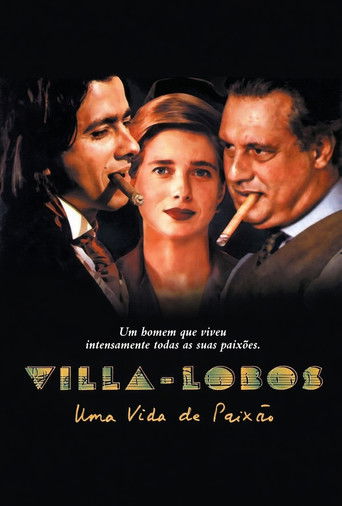
6.0The film tells the story of an intuitive, adventurous man who loved his country and being Brazilian. This man fought to be loyal to himself. His music is a transparent portrait of his genius, intuition, freedom, adventure and passion for Brazil.
Villa-Lobos: A Life of Passion
2000
 7.0
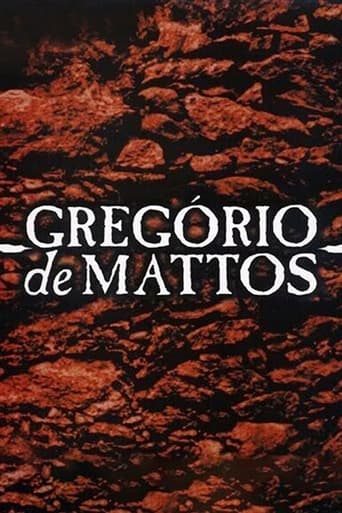
7.0The life of irreverent poet Gregório de Mattos, who lived in Bahia, Brazil, in the 17th century. Nicknamed Mouth of Hell, he used his transgressive poetry against the élite of the time.
Gregório de Mattos
2003
1990s · 2 titles
 6.0
6.0The true story of the boy who became famous when he was cast for the main part on the Brazilian film Pixote: A Lei do Mais Fraco (1981). After the film was over, he tried to work as an actor on other projects, with little success. As time went by, he got involved with crime.
Who Killed Pixote?
1996
 7.0
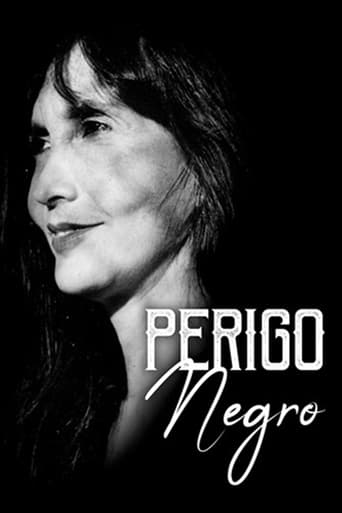
7.0Loosely based on an Oswald de Andrade screenplay, "Perigo Negro" is a segment of anthology film "Oswaldianas" which deals with a uprising soccer player who has his career spoiled by a unscrupulous gambler
Perigo Negro
1992
1970s · 1 titles
Series credits
6.4Biology professor Edu is an idealistic man who moves with his son Lipe to the charming, fictional town of Nova Aliança, in Minas Gerais, in search of a better quality of life. Edu is engaged to Amelinha, daughter of the wealthy and greedy rancher João Mourão. But this relationship becomes unstable when Edu falls in love with the dreamy lawyer Clara, daughter of Lígia and the experienced lawyer Raul Gouveia. Edu is a single father and tries to always be present in Lipe's life, attempting to keep him away from his mother, Mariana, whose drug addiction prevented her from raising her son. Edu's future father-in-law, João Mourão, is the biggest businessman in Nova Aliança: he owns a farm, a dairy, a meatpacking plant, and a transportation company. João takes issue with Edu when he discovers that the young man is a strong defender of nature and environmental protection laws, which turns him into a rival in the fight for a stretch of virgin forest.
Student's Heart
2002
8.0Jocasta, an 18-year-old sociology student and daughter of communist activist Túlio Silveira, is actively involved in the country's political landscape. She is in love with Laio—her polar opposite—a disengaged, esoteric young man who lives off his wealthy father's allowance. A mystic, Laio makes no move without consulting his guru and friend Argemiro, whom he turns to upon learning of Jocasta's pregnancy. The cowrie shell reading reveals that his son is destined to kill him and enter into a romantic relationship with his mother. Terrified, Laio disappears with the child immediately after birth, aided by Argemiro—who loves Laio and loathes Jocasta. Twenty-five years later, Jocasta is a successful yet restless woman searching for her missing son. She is estranged from Laio, who has spent recent years expanding his father's fortune through involvement in underground gambling. On a highway, he encounters Oedipus, unaware that the young man is his son.
Mandala
1987
8.2A miniseries chronicling the life of actress Dercy Gonçalves across different stages. With a life marked by personal drama, Dercy was an icon of irreverence and boldness in Brazil.
Dercy de Verdade
2012