
Writing
Euclides da Cunha
Known for
Writing
Credits
4 titles
Known for
 NR
NRDedicated to "the creation of an heroic and anti-heroic attitude of those that go to war and say: Farewell Man!," the theatrical version of the second movement of the second part of Os Sertões presents the passage from the re-volted man to the trans-man, creator of an alternate possibility for human adventure on Earth. From the story of Antônio Conselheiro, all theater relives its seminal death: a common man who, out of love, transmutes into an anti-messianic leader, gathering a legion of "sertanejos," roots of solidarity in the inlands of Bahia who, in a community effort, raise dams, churchs, and cemiteries. The community had at one point 25 thousand inhabitants, in its days the second largest city of Bahia. Capuchin Friars attempted to disperse the people of Canudos "diplomatically." Their denial to obey the official religious order led the Evangelist Friar to damn the followers of Antônio Conselheiro in the name of Jesus. The City prepares for war.
Os Sertões: O Homem II — da Re-volta ao Trans-homem
2003
 NR
NRDedicated to "all the power of the Un-massacre of Art and to the effects of the Trans-Human power of the Crowd," the staging of the last part of the book deals with the fourth and last expedition by the Brazilian National Army to the Northeastern "sertão." 12 thousand soldiers, cannons, and modern weapons where deployed, together with modern strategists such as Marshal Bittencourt who, for the first time in the history of the Brazilian Army, established an operational base away from the front, from where he commanded the maneuvers that General Arthur Oscar and his deputy, the blood-thirsty General Barbosa, executed. The play shows the end of the War of Canudos, which resulted in the massacre of the sertanejos, the death of Antônio Conselheiro himself (who went to meet God), and the destruction of the citadel.
Os Sertões: A Luta II - Do Desmassacre ao Reinício
2006
 NR
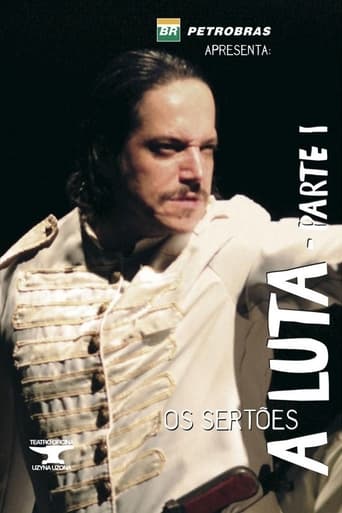
NRFrom 2000 to 2007, Teat(r)o Oficina Uzyna Uzona worked on the staging of Euclides da Cunha's epic book, Os Sertões, which describes the 19th Century War of Canudos in the Brazilian "sertão," lead by Antônio Conselheiro. The final result was a pentalogy of plays. This forth play deals with the cause of the war, when a judge from Juazeiro stopped a shipment of wood that was paid for from being delivered for the construction of the New Church of Canudos. Three expeditions were sent by the National Army and defeated, the last one commanded by the famous Colonel Moreira César. The Army faced the humiliation of soldiers deserting and running away, and the impaling of Colonel Tamarindo. He ended up being the main character in a macabre installation on the road to Canudos, created by the Jagunços (thugs from the sertão) and the Mandrakes to intimidate new expeditions.
Os Sertões: A Luta I
2005
 NR
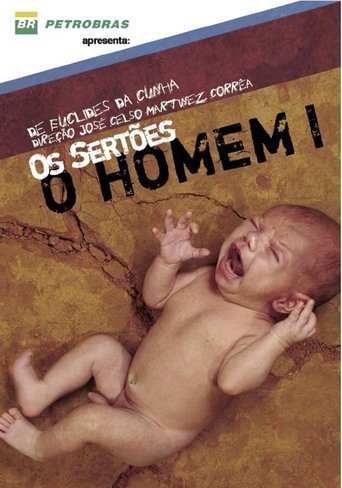
NRThe second play, O Homem I, is about the vigorous embrace of the winner, the Celtic European Colonizer, copulating with the defeated, with the slaves from the ships, forming the "Typeless-Brazilian" type. Mixtures of all kinds find their space in the stage in the surprising miscegenation already present in the cast and crew of Teatro Oficina itself. It is the story of the Brazilian Man, the Man of the Country abroad interbreeding with the Country inside, until the Revolt against the very idea—imposed and imported—of man, with the appearance of Zarathustra Antônio Conselheiro.
Os Sertões: O Homem I — do Pré-homem à Revolta
2003
Behind the camera
NRDedicated to "the creation of an heroic and anti-heroic attitude of those that go to war and say: Farewell Man!," the theatrical version of the second movement of the second part of Os Sertões presents the passage from the re-volted man to the trans-man, creator of an alternate possibility for human adventure on Earth. From the story of Antônio Conselheiro, all theater relives its seminal death: a common man who, out of love, transmutes into an anti-messianic leader, gathering a legion of "sertanejos," roots of solidarity in the inlands of Bahia who, in a community effort, raise dams, churchs, and cemiteries. The community had at one point 25 thousand inhabitants, in its days the second largest city of Bahia. Capuchin Friars attempted to disperse the people of Canudos "diplomatically." Their denial to obey the official religious order led the Evangelist Friar to damn the followers of Antônio Conselheiro in the name of Jesus. The City prepares for war.
Os Sertões: O Homem II — da Re-volta ao Trans-homem
2003
NRDedicated to "all the power of the Un-massacre of Art and to the effects of the Trans-Human power of the Crowd," the staging of the last part of the book deals with the fourth and last expedition by the Brazilian National Army to the Northeastern "sertão." 12 thousand soldiers, cannons, and modern weapons where deployed, together with modern strategists such as Marshal Bittencourt who, for the first time in the history of the Brazilian Army, established an operational base away from the front, from where he commanded the maneuvers that General Arthur Oscar and his deputy, the blood-thirsty General Barbosa, executed. The play shows the end of the War of Canudos, which resulted in the massacre of the sertanejos, the death of Antônio Conselheiro himself (who went to meet God), and the destruction of the citadel.
Os Sertões: A Luta II - Do Desmassacre ao Reinício
2006
NRFrom 2000 to 2007, Teat(r)o Oficina Uzyna Uzona worked on the staging of Euclides da Cunha's epic book, Os Sertões, which describes the 19th Century War of Canudos in the Brazilian "sertão," lead by Antônio Conselheiro. The final result was a pentalogy of plays. This forth play deals with the cause of the war, when a judge from Juazeiro stopped a shipment of wood that was paid for from being delivered for the construction of the New Church of Canudos. Three expeditions were sent by the National Army and defeated, the last one commanded by the famous Colonel Moreira César. The Army faced the humiliation of soldiers deserting and running away, and the impaling of Colonel Tamarindo. He ended up being the main character in a macabre installation on the road to Canudos, created by the Jagunços (thugs from the sertão) and the Mandrakes to intimidate new expeditions.
Os Sertões: A Luta I
2005
NRThe second play, O Homem I, is about the vigorous embrace of the winner, the Celtic European Colonizer, copulating with the defeated, with the slaves from the ships, forming the "Typeless-Brazilian" type. Mixtures of all kinds find their space in the stage in the surprising miscegenation already present in the cast and crew of Teatro Oficina itself. It is the story of the Brazilian Man, the Man of the Country abroad interbreeding with the Country inside, until the Revolt against the very idea—imposed and imported—of man, with the appearance of Zarathustra Antônio Conselheiro.
Os Sertões: O Homem I — do Pré-homem à Revolta
2003