
Known for
 7.0
A one-hour anthology television series of one-off contemporary and classic dramas produced by the BBC.
Playhouse
1974
 8.1
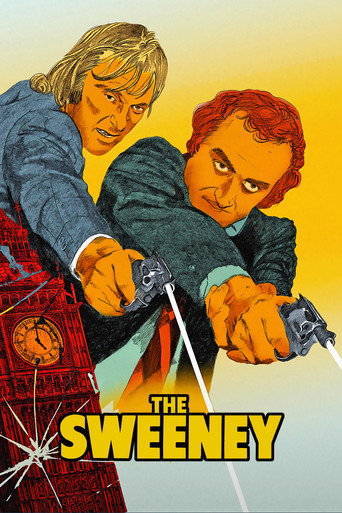
Jack Regan, an unethical officer of the Flying Squad, uses unorthodox methods to pursue criminals with the help of his partner, George Carter.
The Sweeney
1975
 7.3
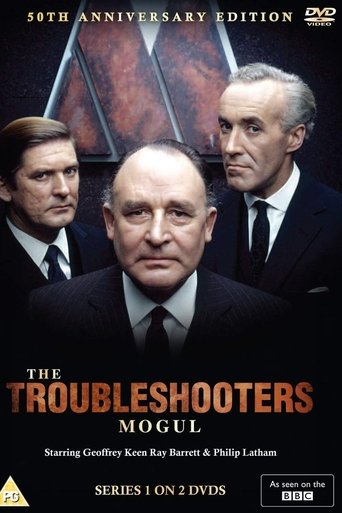
The Troubleshooters is a British television series made by the BBC between 1965 and 1972, created by John Elliot. During its run, the series made the transition from black and white to colour transmissions. The series was based around an international oil company – the "Mogul" of the title. The first series was mostly concerned with the internal politics within the Mogul organisation, with episodes revolving around industrial espionage, internal fraud and negligence almost leading to an accident on a North Sea oil rig.
The Troubleshooters
1965
 9.0
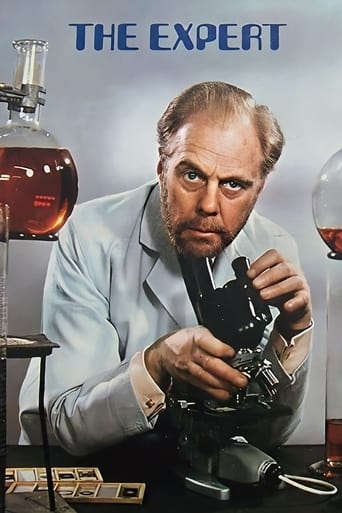
The Expert is a British television series produced by the BBC between 1968 and 1976. The series starred Marius Goring as Dr. John Hardy, a pathologist working for the Home Office and was essentially a police procedural drama, with Hardy bringing his forensic knowledge to solve various cases. The Expert was created and produced by Gerard Glaister. The series was also one of the first BBC dramas to be made in colour, and throughout its four series had numerous high quality guest appearances by actors such as John Carson, Peter Copley, Rachel Kempson, Peter Vaughan, Clive Swift, Geoffrey Palmer, Peter Barkworth, Jean Marsh, Ray Brooks, George Sewell, Anthony Valentine, Bernard Lee, Lee Montague, Geoffrey Bayldon, Mike Pratt, Edward Fox, André Morell, Brian Blessed, Nigel Stock, Philip Madoc and Warren Clarke.
The Expert
1968
 7.8
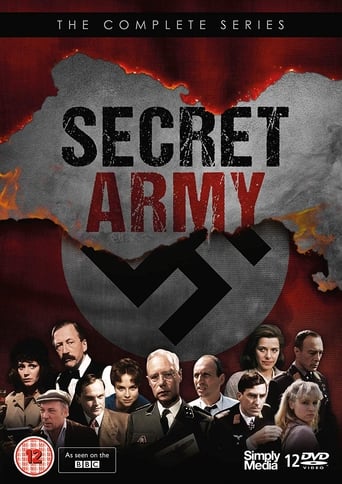
World War II drama about covert organisation Lifeline helping allied airmen escape after being shot down in occupied Europe, working with the Resistance and hiding from the Gestapo.
Secret Army
1977
 6.9
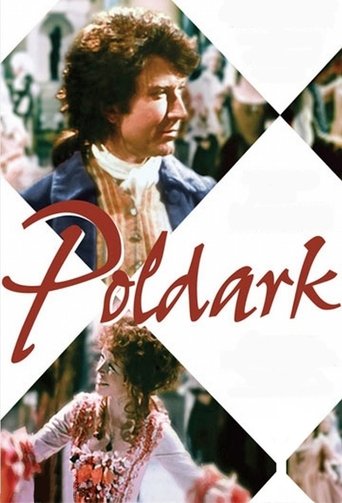
Poldark is a television drama based on Winston Graham's novels of the same title. It was first transmitted on BBC Two across two seasons between 1975 and 1977. The adaptation covered all seven novels (of the eventual twelve) published up to the time. In late 18th-century Cornwall, Ross Poldark loses his fiancée, well-bred beauty Elizabeth, to his cousin Francis. He ends up marrying his servant, Demelza Carne, but his passion for Elizabeth simmers on for years. Meanwhile, he strives to make his derelict copper mines a success. Life is hard, smuggling is rife, and Ross finds himself taking the side of the underclass against the ruthless behaviour of his enemies, the greedy Warleggan clan.
Poldark
1975
Film credits

1980s · 1 titles

1970s · 2 titles
 NR
Lawrence Hastings, retired prep school headmaster, has few pleasures in life. One is flying a kite, until that too is spoilt by the intrusions of an irritating small boy
Kites
1976
 6.7
An ambitious Indian university graduate has to struggle to live his entrepreneurial dreams against both the British social structure and his own family's stubborn traditional values.
A Private Enterprise
1975
Series credits
7.0A one-hour anthology television series of one-off contemporary and classic dramas produced by the BBC.
Playhouse
1974
8.1Jack Regan, an unethical officer of the Flying Squad, uses unorthodox methods to pursue criminals with the help of his partner, George Carter.
The Sweeney
1975
7.3The Troubleshooters is a British television series made by the BBC between 1965 and 1972, created by John Elliot. During its run, the series made the transition from black and white to colour transmissions. The series was based around an international oil company – the "Mogul" of the title. The first series was mostly concerned with the internal politics within the Mogul organisation, with episodes revolving around industrial espionage, internal fraud and negligence almost leading to an accident on a North Sea oil rig.
The Troubleshooters
1965
9.0The Expert is a British television series produced by the BBC between 1968 and 1976. The series starred Marius Goring as Dr. John Hardy, a pathologist working for the Home Office and was essentially a police procedural drama, with Hardy bringing his forensic knowledge to solve various cases. The Expert was created and produced by Gerard Glaister. The series was also one of the first BBC dramas to be made in colour, and throughout its four series had numerous high quality guest appearances by actors such as John Carson, Peter Copley, Rachel Kempson, Peter Vaughan, Clive Swift, Geoffrey Palmer, Peter Barkworth, Jean Marsh, Ray Brooks, George Sewell, Anthony Valentine, Bernard Lee, Lee Montague, Geoffrey Bayldon, Mike Pratt, Edward Fox, André Morell, Brian Blessed, Nigel Stock, Philip Madoc and Warren Clarke.
The Expert
1968
7.8World War II drama about covert organisation Lifeline helping allied airmen escape after being shot down in occupied Europe, working with the Resistance and hiding from the Gestapo.
Secret Army
1977
6.9Poldark is a television drama based on Winston Graham's novels of the same title. It was first transmitted on BBC Two across two seasons between 1975 and 1977. The adaptation covered all seven novels (of the eventual twelve) published up to the time. In late 18th-century Cornwall, Ross Poldark loses his fiancée, well-bred beauty Elizabeth, to his cousin Francis. He ends up marrying his servant, Demelza Carne, but his passion for Elizabeth simmers on for years. Meanwhile, he strives to make his derelict copper mines a success. Life is hard, smuggling is rife, and Ross finds himself taking the side of the underclass against the ruthless behaviour of his enemies, the greedy Warleggan clan.
Poldark
1975
 7.0
Anthology series of half hour plays produced in BBC's Television Centre's studios.
Centre Play
1973
Barry Ovis is Parliamentary Private Secretary to the Minister for European Affairs, Sir William Mainwaring-Brown. Sir William has a very active libido and often gets up to non-portfolio activities. Ovis has to cover for him (usually very badly), and misunderstandings then pile on top of misunderstandings.
Men of Affairs
1973
 6.3
In a post-apocalyptic Britain, everyone has rebelled against modern technology (electricity, engines, trains etc) and reverted to a pre-Industrial Revolution way of life. When Nicky Gore tries to investigate the cause, she is accused of being a witch and imprisoned to prevent her spreading dissent.
The Changes
1975