
Camera
Pedro Neira
Known for
Camera
Credits
9 titles
Known for
Filming in Yarinacocha-Pucallpa, the construction of a house by the Shipibo tribe in harmony with nature. Commissioned by Westdeutscher Rundfunk - Cologne, Germany.
Casa Propia
1984
 NR
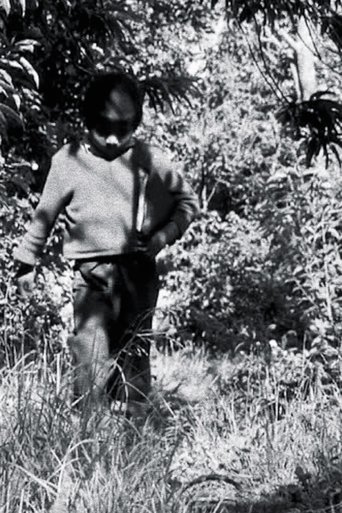
After the Agrarian Reform enacted in 1969 by the government led by Juan Velasco Alvarado, the Andean communities recovered their land, obtained fundamental rights such as access to public education and the possibility of working for themselves. From then on, life alternatives opened up for the children of the Andes who, unlike their predecessors, could attend school, although they still had to face many scarcities. This film looks at the lives of these children, who, together with their communities, are trying to move forward.
Niños
1974
 NR
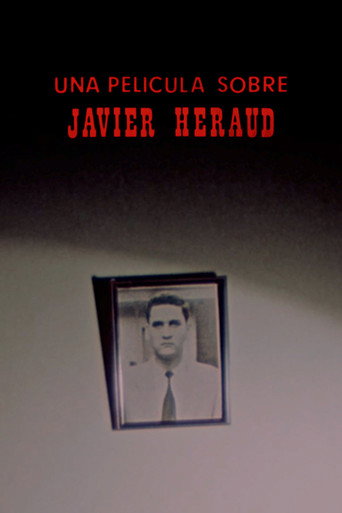
Documentary that collects with a mixture of lightness and thunderous passages from the life and death of the Peruvian poet, who from a very young age was already the best version of himself and the promise of his generation. A kind of tribute through the testimonies of the people who loved him, contextualized with images of the political and social moment of the time, which contribute to the rescue of his memory and his poetic word, which was expressed hand in hand with his unfailing commitment to freedom. Javier Heraud, the guerrilla poet, was murdered in the Madre de Dios River in Puerto Maldonado in 1963. He was 21 years old.
Una película sobre Javier Heraud
1975
 NR
No synopsis available yet.
Visión de la selva
1973
Construction of sports fields through an agreement between a Peruvian municipality and the KMPP Foundation of Federal Germany.
Un gol para el deporte comunal
—
The interrelationship between the inhabitants of the jungle and the wood that is efficiently used for boat construction.
Madera
1988
Behind the camera
Filming in Yarinacocha-Pucallpa, the construction of a house by the Shipibo tribe in harmony with nature. Commissioned by Westdeutscher Rundfunk - Cologne, Germany.
Casa Propia
1984
NRAfter the Agrarian Reform enacted in 1969 by the government led by Juan Velasco Alvarado, the Andean communities recovered their land, obtained fundamental rights such as access to public education and the possibility of working for themselves. From then on, life alternatives opened up for the children of the Andes who, unlike their predecessors, could attend school, although they still had to face many scarcities. This film looks at the lives of these children, who, together with their communities, are trying to move forward.
Niños
1974
NRDocumentary that collects with a mixture of lightness and thunderous passages from the life and death of the Peruvian poet, who from a very young age was already the best version of himself and the promise of his generation. A kind of tribute through the testimonies of the people who loved him, contextualized with images of the political and social moment of the time, which contribute to the rescue of his memory and his poetic word, which was expressed hand in hand with his unfailing commitment to freedom. Javier Heraud, the guerrilla poet, was murdered in the Madre de Dios River in Puerto Maldonado in 1963. He was 21 years old.
Una película sobre Javier Heraud
1975
NRNo synopsis available yet.
Visión de la selva
1973
Construction of sports fields through an agreement between a Peruvian municipality and the KMPP Foundation of Federal Germany.
Un gol para el deporte comunal
—
The interrelationship between the inhabitants of the jungle and the wood that is efficiently used for boat construction.
Madera
1988
Implementation of a mini hydroelectric power plant for productive purposes to improve the quality of life and agricultural resources.
Energía Económica para el Desarrollo
1989
The danger of deforestation in the high jungle of the province of San Ramón. Commissioned by the Press Ministry of the Federal Republic of Germany in Lima.
La Selva en Peligro
1986
In an environment of extreme poverty that generates violence, Hilacha witnesses an armed struggle. The teenager moves on the margins of a hardened city. He fights to survive and take care of his little brother without falling into crime or hatred, as he questions the violence that has claimed the lives of his parents.
Hilacha
1988