
Writing
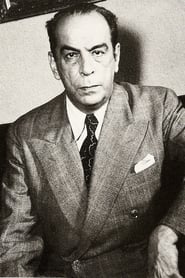
Rómulo Gallegos
Born — Died
1884-08-02 — 1969-04-04
Place of birth
Caracas, Venezuela
Known for
Writing
Credits
10 titles
Rómulo Ángel del Monte Carmelo Gallegos Freire (2 August 1884 – 5 April 1969) was a Venezuelan novelist and politician. For a period of nine months during 1948, he governed as the first freely elected president in Venezuela's history. Gallegos is considered the most relevant Venezuelan novelist of the 20th century, and a prominent figure in Latin American literature.
Known for
 5.0
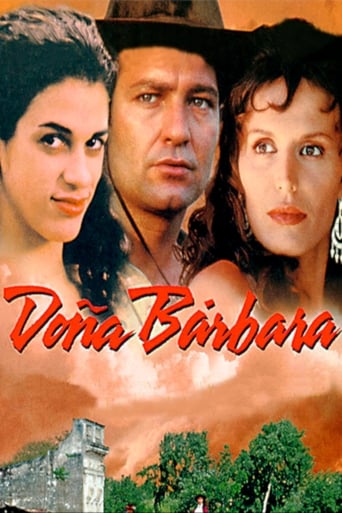
Dr. Santos wants to sell the ruined family farm to start a new life with his girlfriend in Europe. Instead, he succumbs to the country's fascination and tries to rebuild the ranch with his ancestors. He meets two fascinating women: The beautiful Doña Bárbara, who is said to bewitch every man, and her wildly grown and equally beautiful daughter.
Doña Bárbara
1998
 7.0
Victoria Guanipa, a woman of mixed race uses her beauty and cunning to climb the social ladder and gain power in a society marked by racial and class divisions. Her ambition clashes with the traditions of the landowning family she marries into, particularly with Nicolás del Casal, who represents old aristocratic values.
La trepadora
1924
 NR
An intimate look at the Venezuelan intellectual Rómulo Gallegos through photographs, footage and testimonies from people who knew him as an educationalist, politician and novelist.
Rómulo Gallegos. Horizons and pathways
2000
Antonio (Henry Zakka) is a writer dedicated to telling the stories of his best friends and his own life in a city with no future. A land that is fading away as its young people migrate in search of a better future. The optimism, faith, and reasoning of three men trying to determine the best decision for their lives and their land: to remain there, waiting for a change, without any certainty, or to seek new horizons in more benevolent environments.
La ciudad Muerta
—
 7.1
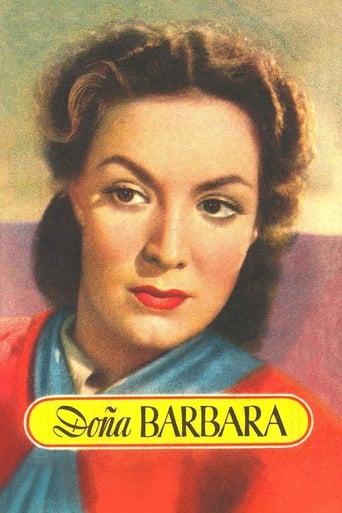
A woman hardened by her past now runs a ranch she acquired through manipulation and bribery.
Doña Bárbara
1943
 6.0
Two travelers visiting a small town link up together and then run afoul of the gossip of church ladies.
La señora de enfrente
1945
Film credits
Behind the camera
5.0Dr. Santos wants to sell the ruined family farm to start a new life with his girlfriend in Europe. Instead, he succumbs to the country's fascination and tries to rebuild the ranch with his ancestors. He meets two fascinating women: The beautiful Doña Bárbara, who is said to bewitch every man, and her wildly grown and equally beautiful daughter.
Doña Bárbara
1998
7.0Victoria Guanipa, a woman of mixed race uses her beauty and cunning to climb the social ladder and gain power in a society marked by racial and class divisions. Her ambition clashes with the traditions of the landowning family she marries into, particularly with Nicolás del Casal, who represents old aristocratic values.
La trepadora
1924
Antonio (Henry Zakka) is a writer dedicated to telling the stories of his best friends and his own life in a city with no future. A land that is fading away as its young people migrate in search of a better future. The optimism, faith, and reasoning of three men trying to determine the best decision for their lives and their land: to remain there, waiting for a change, without any certainty, or to seek new horizons in more benevolent environments.
La ciudad Muerta
—
7.1A woman hardened by her past now runs a ranch she acquired through manipulation and bribery.
Doña Bárbara
1943
6.0Two travelers visiting a small town link up together and then run afoul of the gossip of church ladies.
La señora de enfrente
1945
 7.0
Narrates the story of a homeless shoeshine boy who lives under a bridge.
Juan de la calle
1941
7.0Narrates the story of a homeless shoeshine boy who lives under a bridge.
Juan de la calle
1941
 6.0
Romantic triangles between city folk and country folk, with new money/old money issues complicating the story.
La trepadora
1944