
Acting
Leopold Kerscher
Known for
Acting
Credits
6 titles
Known for
 6.3
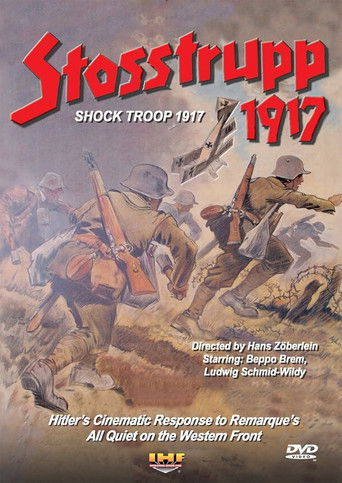
6.3This powerful anti-war film statement focuses on the plight of a German unit in World War I that finds itself surrounded by British and French forces.
Shock Troop
1934
 6.6
6.6This Nazi propaganda film tells about the "freikorps" movement in post-World War I Germany. Freikorps were armed extreme-right-wing paramilitary groups, often composed of street thugs, ex-convicts and unemployed veterans, who engaged in street battles and assassinations of political opponents, usually leftist or Communist groups. Many of these "freikorps" were absorbed into the S.A. (Storm Troopers) and, later, the SS after Adolf Hitler came to power
For the Rights of Man
1934
 9.0
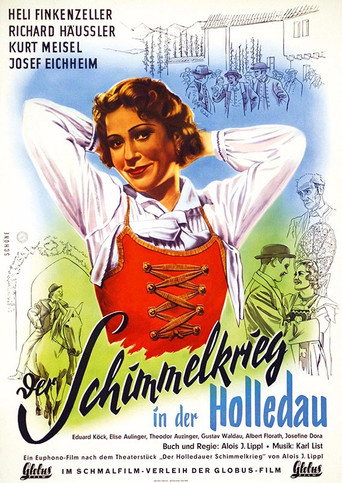
9.0To resolve a feud between two villages over a horse, the burgomasters propose that a man from one town marry a woman from the other.
Der Schimmelkrieg in der Holledau
1937
 9.0
9.0A free adaptation of Gottfried Keller's novella "Romeo and Juliet in the Village," which reveals elements of the Nazis' blood-and-soil ideology: Vroni and Friedel, the children of feuding farmers, fall in love. But Vroni is promised to the wealthy innkeeper Paust.
Übers Jahr, wenn die Kornblumen blühen
1944
 7.0
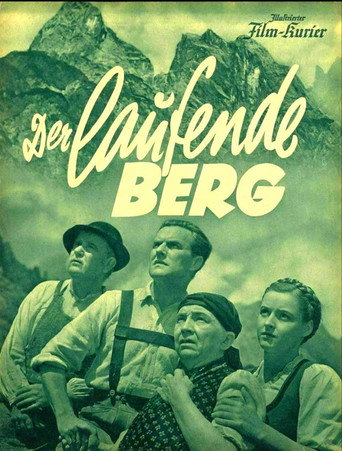
7.0High up in the mountains, a peasant family drags themselves through the towering granite blocks with all their possessions to make a new home for themselves. The mountains, however, have no interest in seeing them make a home up there: for months, huge boulders have been crashing down around them; trees have been falling on the walls of their new home and collapsing it ... and more than one time.
Der laufende Berg
1941
Farmer Grillhofer is slowly getting old and sickly. His housekeeper Rosl takes care of him, while foreman Wastl takes care of the farm. Grillhofer's brother-in-law Dusterer knows that twenty-five years ago the farmer got involved with his maid, Riesler Magdalen, who then disappeared. He uses this knowledge to get Grillhofer to hand over his estate to him and his family.
Die Jugendsünde
1936
Film credits
1940s · 2 titles
9.0A free adaptation of Gottfried Keller's novella "Romeo and Juliet in the Village," which reveals elements of the Nazis' blood-and-soil ideology: Vroni and Friedel, the children of feuding farmers, fall in love. But Vroni is promised to the wealthy innkeeper Paust.
Übers Jahr, wenn die Kornblumen blühen
1944
7.0High up in the mountains, a peasant family drags themselves through the towering granite blocks with all their possessions to make a new home for themselves. The mountains, however, have no interest in seeing them make a home up there: for months, huge boulders have been crashing down around them; trees have been falling on the walls of their new home and collapsing it ... and more than one time.
Der laufende Berg
1941
1930s · 4 titles
6.3This powerful anti-war film statement focuses on the plight of a German unit in World War I that finds itself surrounded by British and French forces.
Shock Troop
1934
6.6This Nazi propaganda film tells about the "freikorps" movement in post-World War I Germany. Freikorps were armed extreme-right-wing paramilitary groups, often composed of street thugs, ex-convicts and unemployed veterans, who engaged in street battles and assassinations of political opponents, usually leftist or Communist groups. Many of these "freikorps" were absorbed into the S.A. (Storm Troopers) and, later, the SS after Adolf Hitler came to power
For the Rights of Man
1934
9.0To resolve a feud between two villages over a horse, the burgomasters propose that a man from one town marry a woman from the other.
Der Schimmelkrieg in der Holledau
1937
Farmer Grillhofer is slowly getting old and sickly. His housekeeper Rosl takes care of him, while foreman Wastl takes care of the farm. Grillhofer's brother-in-law Dusterer knows that twenty-five years ago the farmer got involved with his maid, Riesler Magdalen, who then disappeared. He uses this knowledge to get Grillhofer to hand over his estate to him and his family.
Die Jugendsünde
1936