

Acting
Hans Pössenbacher
Born — Died
1895-07-14 — 1979-02-24
Place of birth
Graz, Austria
Known for
Acting
Credits
53 titles
Known for
 6.0
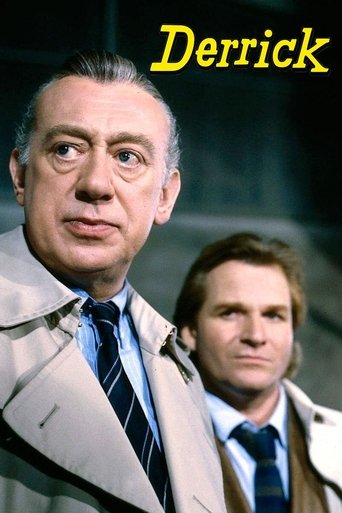
Derrick was a German TV series produced by Telenova Film und Fernsehproduktion in association with ZDF, ORF and SRG between 1974 and 1998 about Detective Chief Inspector Stephan Derrick and his loyal assistant Inspector Harry Klein, who solve murder cases in Munich and surroundings.
Derrick
1974
 8.0
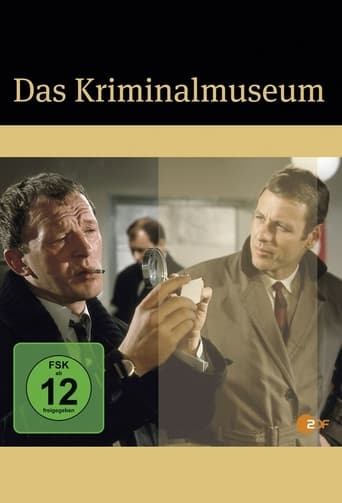
Das Kriminalmuseum was a German television series. It ran from 1963 to 1970 on ZDF and was one of its first programs. Each episode began with a tracking shot through an unspecified crime museum, stopping at one of the displays, whose story was then told. Each episode was between 60 and 75 minutes long and featured different actors as the criminal commissioner. The best known was Erik Ode, who in 1969 moved to Der Kommissar, appearing in 97 episodes. The theme music of the series was written by German composer Martin Böttcher, who also composed the complete scores for five episodes.
Das Kriminalmuseum
1963
 9.0
No synopsis available yet.
Die Protokolle des Herrn M
1979
 NR
After serving five years Willi soon learns that his new life is another kind of prison since no one trusts an ex-convict. His uphill struggle for a job and shattered hopes of a normal existence grind him down to utter despair.
Wer einmal aus dem Blechnapf frisst
1962
 6.3
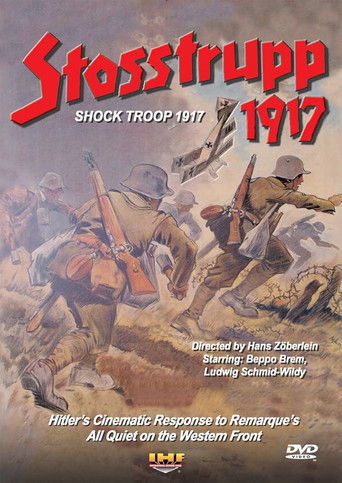
This powerful anti-war film statement focuses on the plight of a German unit in World War I that finds itself surrounded by British and French forces.
Shock Troop
1934
No synopsis available yet.
Die Bekehrung des Ferdys Pistora
1958
Film credits
1970s · 7 titles
 6.5
In post-war Austria, an opportunistic young man begins working as a footman to a widowed countess and uses his sexual talents to better his station in life.
Something for Everyone
1970
 7.5
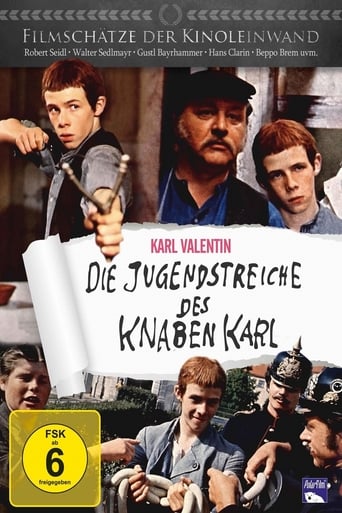
At the behest of his father, the young Karl Valentin is to complete a carpentry apprenticeship. When the father gets into a financial mess by a strict creditor, the boy works with growing success as a comedian to support his parents financiall
Die Jugendstreiche des Knaben Karl
1977
 8.0
The young medical student Claudia falls in love with the unknown but talented painter Stefan, whom she helps to get an assignment in Rome. They both get married before Stefan travels to Rome. When Claudia visits him there, they both spend the most wonderful days. The two's happiness doesn't last long...
Sie liebten sich einen Sommer
1972
 10.0
No synopsis available yet.
Weder Tag noch Stunde
1976
No synopsis available yet.
Frau Brückl muß sich umstellen
1972
No synopsis available yet.
Der trojanische Sessel
1971
No synopsis available yet.
Der Komödienstadel - Der Hunderter im Westentaschl
1970
1960s · 24 titles
No synopsis available yet.
Tragödie auf der Jagd
1968
No synopsis available yet.
Den Tod in der Hand
1963
No synopsis available yet.
Der zerbrochene Krug
1965
 6.6
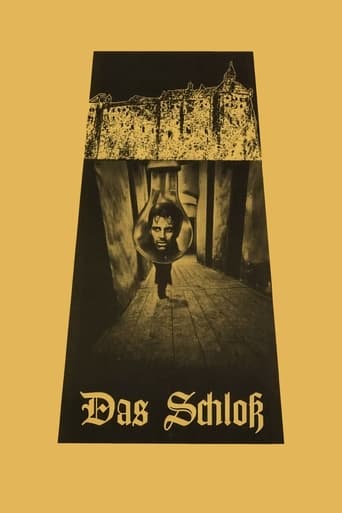
A man comes to a small village to begin his new job as an attendant at the nearby castle. But everybody in the village claims that he surely must be mistaken, there is no need for an attendant at the castle.
The Castle
1968
No synopsis available yet.
Bäume sterben aufrecht
1967
No synopsis available yet.
Vor Nachbarn wird gewarnt
1965
No synopsis available yet.
Ohne festen Wohnsitz
1966
No synopsis available yet.
Der Rückfall
1969
No synopsis available yet.
Der Unbestechliche
1968
No synopsis available yet.
Lokalbericht
1962
No synopsis available yet.
Das Apostelspiel
1965
a tv-movie by Rainer Erler
Marke Lohengrin
1962
No synopsis available yet.
Standgericht
1966
 4.5
A Hungarian orphan girl searches for new parents in Austria. In an Austrian circus, she befriends an elephant and a wolfhound.
The Bashful Elephant
1962
No synopsis available yet.
Die Welt des Wassers
1966
No synopsis available yet.
Christinas Heimreise
1965
No synopsis available yet.
Die eigenen vier Wände
1965
No synopsis available yet.
Woyzeck
1966
Munich in the summer of 1899. In his insatiable greed for money, influence and enjoyment of life, the Marquis von Keith defies any moral law. Two women are obedient to him.
Der Marquis von Keith
1962
No synopsis available yet.
Die beiden Klingsberg
1964
No synopsis available yet.
Bluthochzeit
1962
No synopsis available yet.
Kleider machen Leute
1963
No synopsis available yet.
Altaich
1968
No synopsis available yet.
Piroschka
1960
1950s · 11 titles
No synopsis available yet.
Die Bekehrung des Ferdys Pistora
1958
 7.2
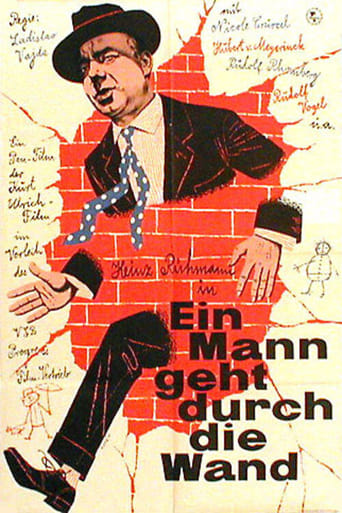
Mr. Buchsbaum, third class taxes employee, lives a peaceful life until the new chief immediately criticizes his work. His only confort is his stamps collection. Sadly, even this consolation and his peace are threatened by a new, charming, neighbour who teaches piano. Increasingly infuriated, he discovers accidentally one evening that he has the ability to go through walls. With this power, he decides to settle the scores, firstly with his boss who downgraded him.
The Man Who Walked Through the Wall
1959
 7.9
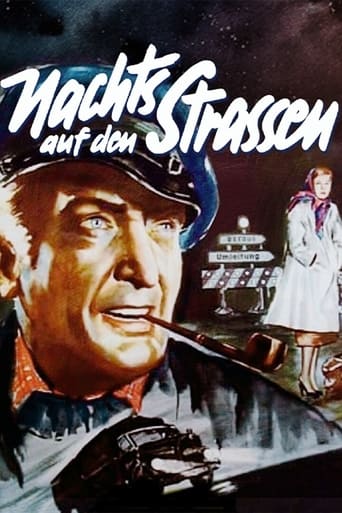
An aging truck driver finds smuggled money and becomes involved with a hijacking crowd.
Nights on the Road
1952
Verona in the 1950s. Don Stefano, the chaplain of San Lorenzo, was once a passionate race car driver and tennis player. Deeply affected by his wartime experiences, he decided to become a priest. He has given up racing, but now and then he still plays a game of tennis, preferably with the wealthy art dealer Catani, whose family he is friends with and in whose home he is a frequent guest. His connections to the Catanis have also enabled Don Stefano to place his protégé, Gilda, a young girl in need, with them as a housekeeper. However, Signora Catani gradually becomes suspicious of the fact that Gilda wears a new yellow rose on her dress every day. She believes the girl receives the flowers from her husband; that he is her secret lover. This leads not only to a heated argument between the couple but also to a confrontation between the lady of the house and the maid.
The Chaplain of San Lorenzo
1953
 10.0
Winnie is desperate and doesn't know what to do next. She is about to marry her lover Paul, who has returned from war captivity. Both want to emigrate to America short after marriage. But the young woman has an illegitimate one-and-a-half-year-old son, whom she has kept secret from her fiancé. The short-tempered Paul would never understand that. When she is on her way to the orphanage, the grumpy senior civil servant Hieronymus Spitz and his little dog Tobby get into her train compartment. After a short observation, Winnie is certain that the misantrope actually has a good heart, because he lovingly takes care of his dog. Without further ado she leaves little Niki with the tax accountant and disappears from the train. Only a note with a request remains. The overwhelmed old gentleman initially wants to get rid of the child, but then takes it home and takes care of it together with his housekeeper. Both take the bundle of joy to their hearts. But then everything turns out differently.
My Name is Niki
1952
 6.5
A lot has happened in Cecily Harrington's life. The young woman has not only won 10,000 pounds in the lottery, but has also unceremoniously dumped her fiancé Nigel after falling head over heels in love with Bruce Lovell. But after their wedding, when they retire to a remote country house, the likeable globetrotter changes visibly. Eventually, she even begins to suspect that her husband may have a terrible secret: Is he the wife-killer who is being searched for around the globe and who poisons his wives and buries them in the cellar?
Ein Fremder kam ins Haus
1957
 5.3
The third part of Paul May′s "08/15" trilogy based on the novel by Hans Hellmut Kirst takes place shortly before the end of World War II: In the spring of 1945, the German troops are practically defeated, and the battalion of Kowalski, major general von Plönnies and Asch who had risen to the rank of lieutenant in the meantime is left to its own devices to a large extent. They hope to be able to wait for the end of the war without having to encounter any combat operations. At the same time, Asch tries to prevent high-level Nazi officers from disappearing unnoticed and from cashing in on the chaotic circumstances.
08/15 at Home
1955
Rosalie is young and pretty maid on the farm of the winemaker Jacob. She becomes pregnant with the servant Marko, who disappears with a gypsy singer, leaving Rosalie alone in her awkward situation.
The Beginning Was Sin
1954
 7.5
No synopsis available yet.
Der Geigenmacher von Mittenwald
1950
No synopsis available yet.
Die Alkestiade
1958
No synopsis available yet.
Die Bernauerin
1958
1940s · 2 titles
 8.0
Old Bell, owner of the sawmill and the surrounding forests in a remote place “at the end of the world,” died twenty years ago. Since then, the down-to-earth and nature-loving Michael March has been the sawmill’s manager. Then Bell’s daughter Roberta comes to him and demands a large sum from the estate, which she plans to use to open a cabaret in the city and perform as a singer herself.
Am Ende der Welt
1947
 7.0
No synopsis available yet.
Begegnung mit Werther
1949
1930s · 5 titles
6.3This powerful anti-war film statement focuses on the plight of a German unit in World War I that finds itself surrounded by British and French forces.
Shock Troop
1934
 5.8
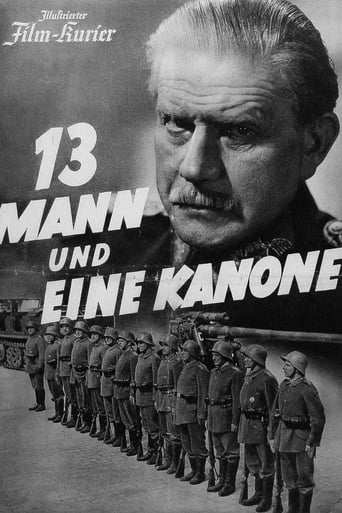
World War I, Eastern Front. A special battery consisting of thirteen soldiers and one cannon successfully holds back the enemy. But then the position of the gun is betrayed to the Russians and the cannon is destroyed. Each of the thirteen men is now suspected of being the traitor.
Thirteen Men and a Cannon
1938
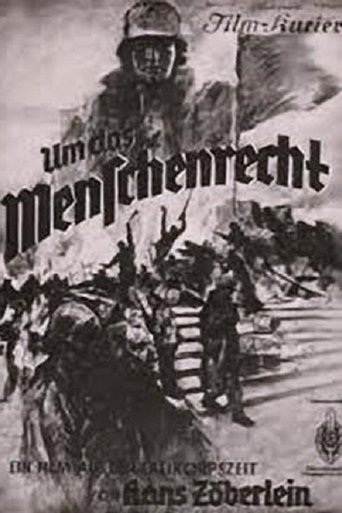 6.6
This Nazi propaganda film tells about the "freikorps" movement in post-World War I Germany. Freikorps were armed extreme-right-wing paramilitary groups, often composed of street thugs, ex-convicts and unemployed veterans, who engaged in street battles and assassinations of political opponents, usually leftist or Communist groups. Many of these "freikorps" were absorbed into the S.A. (Storm Troopers) and, later, the SS after Adolf Hitler came to power
For the Rights of Man
1934
6.6This Nazi propaganda film tells about the "freikorps" movement in post-World War I Germany. Freikorps were armed extreme-right-wing paramilitary groups, often composed of street thugs, ex-convicts and unemployed veterans, who engaged in street battles and assassinations of political opponents, usually leftist or Communist groups. Many of these "freikorps" were absorbed into the S.A. (Storm Troopers) and, later, the SS after Adolf Hitler came to power
For the Rights of Man
1934
No synopsis available yet.
Diener lassen bitten
1936
Series credits
6.0Derrick was a German TV series produced by Telenova Film und Fernsehproduktion in association with ZDF, ORF and SRG between 1974 and 1998 about Detective Chief Inspector Stephan Derrick and his loyal assistant Inspector Harry Klein, who solve murder cases in Munich and surroundings.
Derrick
1974
8.0Das Kriminalmuseum was a German television series. It ran from 1963 to 1970 on ZDF and was one of its first programs. Each episode began with a tracking shot through an unspecified crime museum, stopping at one of the displays, whose story was then told. Each episode was between 60 and 75 minutes long and featured different actors as the criminal commissioner. The best known was Erik Ode, who in 1969 moved to Der Kommissar, appearing in 97 episodes. The theme music of the series was written by German composer Martin Böttcher, who also composed the complete scores for five episodes.
Das Kriminalmuseum
1963
9.0No synopsis available yet.
Die Protokolle des Herrn M
1979
NRAfter serving five years Willi soon learns that his new life is another kind of prison since no one trusts an ex-convict. His uphill struggle for a job and shattered hopes of a normal existence grind him down to utter despair.
Wer einmal aus dem Blechnapf frisst
1962