
Acting
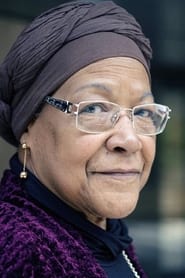
Christiane Eda-Pierre
Born — Died
1932-03-24 — 2020-09-06
Place of birth
Fort-de-France, Martinique, France
Known for
Acting
Credits
3 titles
Christiane Eda-Pierre (24 March 1932 – 6 September 2020) was a French coloratura soprano of Martinican origin, who sang in a wide variety of roles, from baroque to contemporary works. Eda-Pierre was born in Fort-de-France, Martinique, in a family of intellectuals. She is the daughter of journalist William Eda-Pierre and music teacher Alice Nardal, and the niece of Paulette Nardal. From a young age, she learnt piano from her mother. In September 1950, she left for Paris, studying at the École Normale de Musique de Paris for two years. After the lessons from Charles Panzéra, she switched from piano to singing. In 1954, she attended the Conservatoire de Paris, where she learnt singing from Lou…
Known for
 8.0
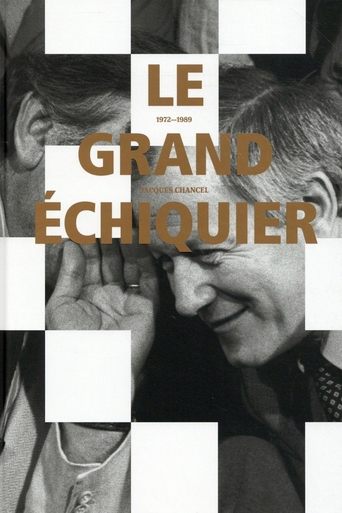
Le Grand Échiquier is a French variety television program created and presented by Jacques Chancel. It aired at 8:30 pm on the first channel of the ORTF from January 12, 1972 to July 12, 1972, then on the second color channel of the ORTF from September 1972 to December 1974, and finally on Antenne 2 from January 1975 to December 21, 1989. The program returned to France 2 on December 20, 2018 and is hosted by Anne-Sophie Lapix.
Le Grand Échiquier
1972
Set in a scorching Brussels, Babel Opera blends documentary and fiction during the intense rehearsals of Mozart’s Don Giovanni. As an international cast struggles to bring the opera to life, four fictional characters appear around the set. Their real-life conflicts, infidelities, and passions begin to mirror the seductions of the opera itself, completely blurring the lines between art and reality as the grand premiere approaches.
Babel opéra, ou la répétition de Don Juan de Wolfgang Amadeus Mozart
1985
 NR
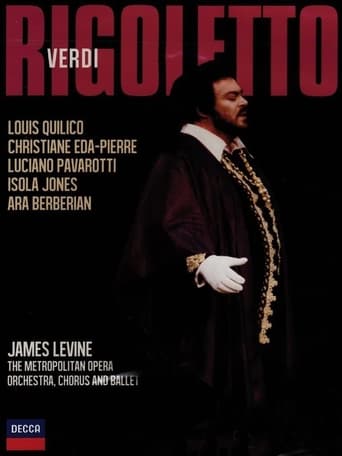
The opera's dramatic structure frames and enhances the characters. Scenes of magnificence regularly alternate with scenes of darkness and squalor. From sumptuous interiors, we move to a dark street, a lonely inn. The secondary figures are astutely counterpoised: the plotting courtiers against the plotting Sparafucile and Maddalena (also ambiguously tender-hearted). When Rigoletto says "Pari siamo", he could be expressing the motto of the whole work: the beautiful and the ugly can be equally good, equally evil.
Verdi: Rigoletto
1981
Film credits
1980s · 2 titles
Set in a scorching Brussels, Babel Opera blends documentary and fiction during the intense rehearsals of Mozart’s Don Giovanni. As an international cast struggles to bring the opera to life, four fictional characters appear around the set. Their real-life conflicts, infidelities, and passions begin to mirror the seductions of the opera itself, completely blurring the lines between art and reality as the grand premiere approaches.
Babel opéra, ou la répétition de Don Juan de Wolfgang Amadeus Mozart
1985
NRThe opera's dramatic structure frames and enhances the characters. Scenes of magnificence regularly alternate with scenes of darkness and squalor. From sumptuous interiors, we move to a dark street, a lonely inn. The secondary figures are astutely counterpoised: the plotting courtiers against the plotting Sparafucile and Maddalena (also ambiguously tender-hearted). When Rigoletto says "Pari siamo", he could be expressing the motto of the whole work: the beautiful and the ugly can be equally good, equally evil.
Verdi: Rigoletto
1981