
Acting
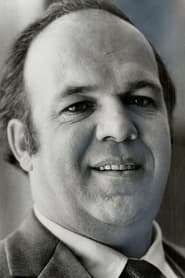
Louis Quilico
Born — Died
1925-01-14 — 2000-07-14
Place of birth
Montréal, Québec, Canada
Known for
Acting
Credits
5 titles
Louis Quilico, CC (January 14, 1925 – July 15, 2000) was a Canadian opera singer. One of the leading dramatic baritones of his day, he was an ideal interpreter of the great Italian and French composers, especially Giuseppe Verdi. He was often referred to as "Mr Rigoletto" in reference to the Verdi opera. During his 45-year-long career he shared performing credits with opera's greatest stars. He spent 25 consecutive years at the Metropolitan Opera in New York City. After his retirement from the stage in 1998 he continued to perform and record, most often with his second wife, pianist Christina Petrowska Quilico, CM OOnt FRSC, with whom he made four CDs. The couple also toured together extensi…
Known for
 NR
No synopsis available yet.
Le monde est à vous
1987
 9.0
Live from the Metropolitan Opera, 14 February 1980. This version takes place in Boston rather than Sweden.
Un Ballo in Maschera
1980
 8.0
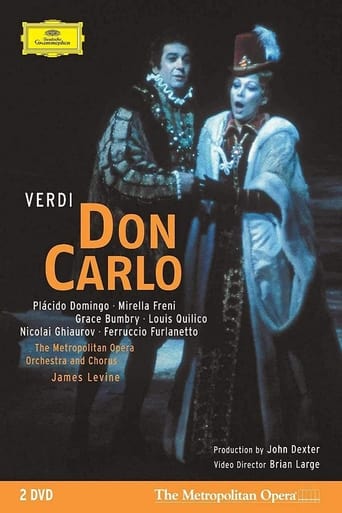
Ghiaurov, Freni, and Bumbry were great voices in their time, and they are still effective here -- good enough musicians to put over the quite heavy vocal and expressive demands of their roles. Louis Quilico was never quite in that league, and he sounds a bit spread and woofy in places here, but he works hard and effectively to bring Rodrigo to life. Placido Domingo recorded his first Don Carlo, for EMI with Giulini, about 15 years before this production, but he looks and sounds fine here -- in the early 1980's he was doing very good Otellos and Lohengrins too, and Furlanetto, still in his 30's, brings a rich, young voice to an old part and succeeds in making the Grand Inquisitor vocally as well as expressively formidable. Levine brings both weight and energy to the score, and that reading fits well with the overall "traditional" design and production -- the Met's wardrobe budget must have been severely taxed, but everybody looks splendid.
Don Carlo
1983
 NR
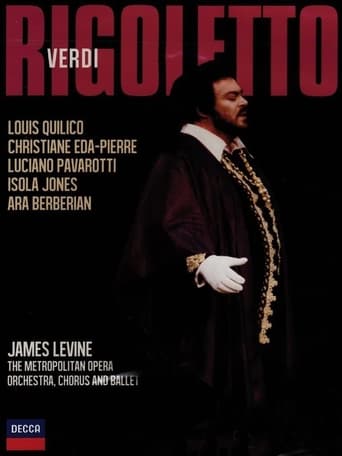
The opera's dramatic structure frames and enhances the characters. Scenes of magnificence regularly alternate with scenes of darkness and squalor. From sumptuous interiors, we move to a dark street, a lonely inn. The secondary figures are astutely counterpoised: the plotting courtiers against the plotting Sparafucile and Maddalena (also ambiguously tender-hearted). When Rigoletto says "Pari siamo", he could be expressing the motto of the whole work: the beautiful and the ugly can be equally good, equally evil.
Verdi: Rigoletto
1981
 NR
Renowned Italian soprano Renata Tebaldi and Canadian baritone Louis Quilico perform the finale of the second act from "Tosca" in this rare television event, which originally aired in March 1965. Tebaldi also sings Rossini's song cycle "La Regata Veneziana" while Quilico takes over on the finale of Puccini's "Il Tabarro" and Tosti's "L'ultima Canzone." Ernesto Barbini conducts the CBC Festival Orchestra.
Renata Tebaldi & Louis Quilico: Concerto Italiano
1965
Film credits
1980s · 3 titles
9.0Live from the Metropolitan Opera, 14 February 1980. This version takes place in Boston rather than Sweden.
Un Ballo in Maschera
1980
8.0Ghiaurov, Freni, and Bumbry were great voices in their time, and they are still effective here -- good enough musicians to put over the quite heavy vocal and expressive demands of their roles. Louis Quilico was never quite in that league, and he sounds a bit spread and woofy in places here, but he works hard and effectively to bring Rodrigo to life. Placido Domingo recorded his first Don Carlo, for EMI with Giulini, about 15 years before this production, but he looks and sounds fine here -- in the early 1980's he was doing very good Otellos and Lohengrins too, and Furlanetto, still in his 30's, brings a rich, young voice to an old part and succeeds in making the Grand Inquisitor vocally as well as expressively formidable. Levine brings both weight and energy to the score, and that reading fits well with the overall "traditional" design and production -- the Met's wardrobe budget must have been severely taxed, but everybody looks splendid.
Don Carlo
1983
NRThe opera's dramatic structure frames and enhances the characters. Scenes of magnificence regularly alternate with scenes of darkness and squalor. From sumptuous interiors, we move to a dark street, a lonely inn. The secondary figures are astutely counterpoised: the plotting courtiers against the plotting Sparafucile and Maddalena (also ambiguously tender-hearted). When Rigoletto says "Pari siamo", he could be expressing the motto of the whole work: the beautiful and the ugly can be equally good, equally evil.
Verdi: Rigoletto
1981