

Directing
Julio Matos
Known for
Directing
Credits
16 titles
Known for
 NR
No synopsis available yet.
Afrontosa
2026
 NR
In 2000, a multidisciplinary team of Unicamp students carried out the "Olhos Negros: Compartilhando Imagens" project, an exchange of images and representations between the states of São Paulo and Amazonas. Through workshops in schools and social projects, the team produced a video capturing the views and perceptions that children and adolescents in São Paulo held regarding Amazonas and themselves. With this video, they traveled down the Rio Negro (Amazonas), screening it in various communities and conducting interviews to gather responses for the people of São Paulo. The documentary offers a look at the material generated during this process.
Olhos Negros: Compartilhando Imagens
2003
Homeless people from two major Brazilian cities talk about themselves, fabulous their lives and reinventing themselves before the camera. They recognize and reveal different dimensions to be considered when addressing the issue of street populations. They point out subjectivities and the place of harm reduction in society.
Marginal Territories
2019
 NR
No synopsis available yet.
Quem? Entre Muros e Pontes
2015
 6.0
As Jack begins his gender transition process, Brazil is plunged into a wave of extreme conservatism. The film follows the transformations in his life and in the country, crossed by an extreme right-wing government and a devastating pandemic. Through an intimate account of the daily life of Jack and his friends, we see a network of affection and solidarity flourishing in the midst of an adverse context.
Blooming on the Asphalt
2022
Brazil and Angola while on either side of the Atlantic Ocean have the same language, a common colonial past and many shared stories. In this film, correspondence is exchanged between these two places – some people are longtime friends, others have never met. Their stories intertwine and tell about migration, nostalgia, belonging, war, prejudice, exile and distance. The search for identity and flow of memory are driven by the line of affection that binds the seven pairs of speakers presented in this documentary, people whose life stories are traced between Brazil, Angola and Portugal.
Letters to Angola
2012
Behind the camera
NRNo synopsis available yet.
Afrontosa
2026
NRNo synopsis available yet.
Afrontosa
2026
NRIn 2000, a multidisciplinary team of Unicamp students carried out the "Olhos Negros: Compartilhando Imagens" project, an exchange of images and representations between the states of São Paulo and Amazonas. Through workshops in schools and social projects, the team produced a video capturing the views and perceptions that children and adolescents in São Paulo held regarding Amazonas and themselves. With this video, they traveled down the Rio Negro (Amazonas), screening it in various communities and conducting interviews to gather responses for the people of São Paulo. The documentary offers a look at the material generated during this process.
Olhos Negros: Compartilhando Imagens
2003
Homeless people from two major Brazilian cities talk about themselves, fabulous their lives and reinventing themselves before the camera. They recognize and reveal different dimensions to be considered when addressing the issue of street populations. They point out subjectivities and the place of harm reduction in society.
Marginal Territories
2019
NRNo synopsis available yet.
Quem? Entre Muros e Pontes
2015
6.0As Jack begins his gender transition process, Brazil is plunged into a wave of extreme conservatism. The film follows the transformations in his life and in the country, crossed by an extreme right-wing government and a devastating pandemic. Through an intimate account of the daily life of Jack and his friends, we see a network of affection and solidarity flourishing in the midst of an adverse context.
Blooming on the Asphalt
2022
Brazil and Angola while on either side of the Atlantic Ocean have the same language, a common colonial past and many shared stories. In this film, correspondence is exchanged between these two places – some people are longtime friends, others have never met. Their stories intertwine and tell about migration, nostalgia, belonging, war, prejudice, exile and distance. The search for identity and flow of memory are driven by the line of affection that binds the seven pairs of speakers presented in this documentary, people whose life stories are traced between Brazil, Angola and Portugal.
Letters to Angola
2012
 NR
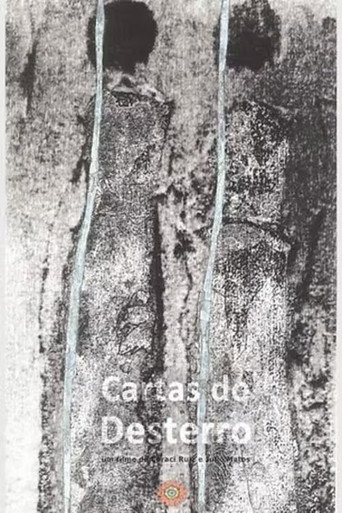
Oksana is an Armenian born in Azerbaijan, from where she was expelled at the age of 14 when the Soviet Union collapsed and the persecution of her people began; Salamu is Sahrawi, but his family fled Western Sahara due to the Moroccan invasion in 1975, and he was consequently born in the refugee camps of Tindouf, Algeria. Both live in London, a city that is home to thousands of immigrants and refugees from all over the world. For this film, they were invited to write letters telling their stories.
Cartas do Desterro
2014
 NR
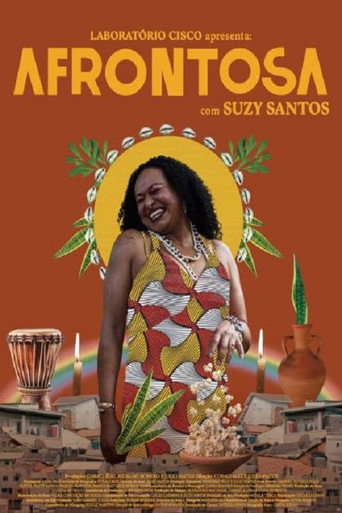
Come to a unique party in Brazil with trans woman Suzy Santos, where for one enchanted day she invites child-spirits called Erês to join her in a sacred ritual of music and dance. Suzy is a priestess of Candomblé - an Afro-Brazilian religion which is one of the few to welcome the vulnerable "travesti" and LGBTQI+ community. It’s not easy to be black and queer in Brazil; a country with deep structural racism where more trans people are murdered than anywhere else in the world. Shunned and cast out from their homes and religious communities, many trans women end up living as street prostitutes to survive. Suzy has created her Candomblé temple as a place of refuge and acceptance for all gender identities, where she guides her community in a religious ceremony to celebrate and incorporate the Erês.
The Enchanted Day of the Erês
—
 NR
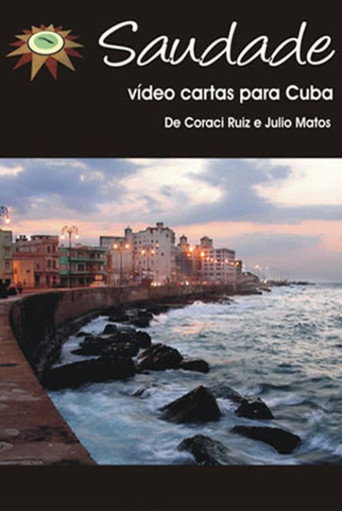
The documentary consists of a video-based exchange of messages between Brazilian and Cuban friends. By facilitating this audiovisual dialogue, the production team enables communication between these individuals and captures—through video letters—stories and life experiences from both countries.
Saudade: Vídeo-cartas para Cuba
2005
 NR
Three generations of Kariri-Xocó indigenous people are set on an expedition to recognize the memorial territory of this people, stolen from them over the course of centuries of painful colonization. Their language, their knowledge and even their sacred rituals have been hidden as a survival strategy. Now, armed with cameras, drones, pipes, headdresses and maracas, they travel through the geographical landmarks of their territory in a road movie that is the preparation for new land retakes.
As Far as the Eye Can See
2025
 NR
No synopsis available yet.
Utopia Muda
2023