
Directing
Frank Boggs
Known for
Directing
Credits
3 titles
Known for
A captivating young woman arrives in Paradise Gulch and, after charming all the young men of the town into buying her jewelry, proves to be a con artist working for her husband, the jewelry salesman.
Trimming of Paradise Gulch
1910
 4.0
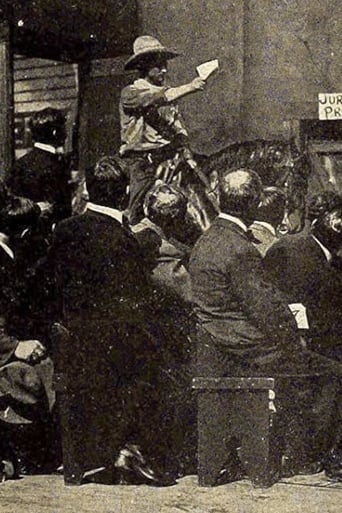
Our first scene shows cowboys and their sweethearts, enjoying a quadrille on horseback. "Happy Jack" rides off with Belle Archer, the sweetheart of Jim. Jim, furiously angry, attacks Happy and the cowboys, taking Jim's pistol from him, hustle him out of the bunk-house. Later the pistol falls to the floor and explodes, the bullet striking and killing Happy, who is alone. The brave fellow writes on a piece of paper before he dies, "I shot myself accidentally, Jack." A gust of wind blows the note into a corner, Jim entering, is discovered examining his revolver over the dead man, and is accused of murder. Later, we see Jim on trial for his life. The lame cowboy finds the last message of Happy Jack. He limps out to the road and hands the paper to Jim's friend, the Pony Express rider. His horse goes lame. He lassos and mounts an unbroken broncho and is on his way again in a wild dash to save the life of his friend.
Saved by the Pony Express
1911
 NR
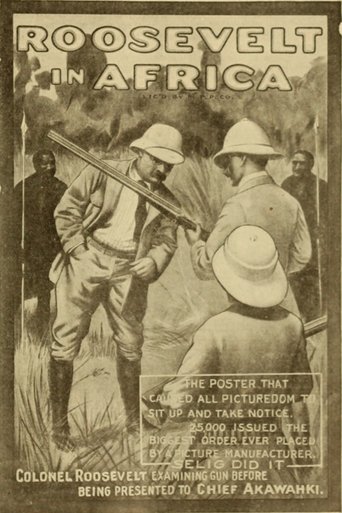
Promoted as authentic safari footage, this early Selig production stages a lion hunt in California rather than Africa. Using animals from Selig’s game preserve and employing a Roosevelt look-alike for cutaways, the film presented itself as a record of Theodore Roosevelt’s celebrated expedition. In reality, it was one of the earliest “fake documentaries,” blending staged action and exotic branding to satisfy audience demand for Roosevelt’s big-game exploits.
Hunting Big Game in Africa
1909
Behind the camera
A captivating young woman arrives in Paradise Gulch and, after charming all the young men of the town into buying her jewelry, proves to be a con artist working for her husband, the jewelry salesman.
Trimming of Paradise Gulch
1910
4.0Our first scene shows cowboys and their sweethearts, enjoying a quadrille on horseback. "Happy Jack" rides off with Belle Archer, the sweetheart of Jim. Jim, furiously angry, attacks Happy and the cowboys, taking Jim's pistol from him, hustle him out of the bunk-house. Later the pistol falls to the floor and explodes, the bullet striking and killing Happy, who is alone. The brave fellow writes on a piece of paper before he dies, "I shot myself accidentally, Jack." A gust of wind blows the note into a corner, Jim entering, is discovered examining his revolver over the dead man, and is accused of murder. Later, we see Jim on trial for his life. The lame cowboy finds the last message of Happy Jack. He limps out to the road and hands the paper to Jim's friend, the Pony Express rider. His horse goes lame. He lassos and mounts an unbroken broncho and is on his way again in a wild dash to save the life of his friend.
Saved by the Pony Express
1911
NRPromoted as authentic safari footage, this early Selig production stages a lion hunt in California rather than Africa. Using animals from Selig’s game preserve and employing a Roosevelt look-alike for cutaways, the film presented itself as a record of Theodore Roosevelt’s celebrated expedition. In reality, it was one of the earliest “fake documentaries,” blending staged action and exotic branding to satisfy audience demand for Roosevelt’s big-game exploits.
Hunting Big Game in Africa
1909