

Directing
Renato Tapajós
Place of birth
Belém, Pará, Brazil
Known for
Directing
Credits
30 titles
Known for
 7.0
A sophisticated couple opens their marriage to new erotic adventures.
Emmanuelle Tropical
1977
 10.0
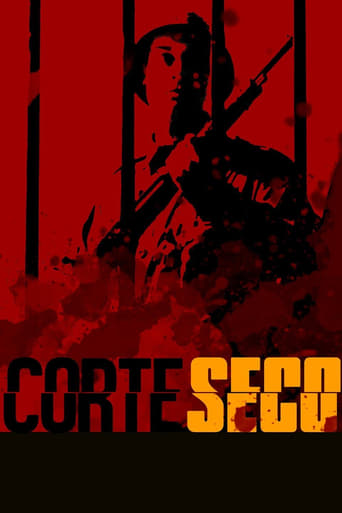
Corte Seco, Renato Tapajós' first fictional feature, takes place in 1969 and accompanies Rodrigo, a militant active in the fight against oppression and in favor of the removal of the military government. In this fight, everything was possible: invasion of radio studios to transmit a rebellious message; kidnapping of ambassadors promoted by groups, the so-called apparatuses; assault on banks to finance such activities.
Corte Seco
2014
 NR
...discussion of leftist attitudes towards democracy and popular movements; in parallel, a discussion about the role of militant cinema in relation to real political struggles.
Nada Será como Antes, Nada?
1984
 10.0
No synopsis available yet.
Em Nome da Segurança Nacional
1985
 NR
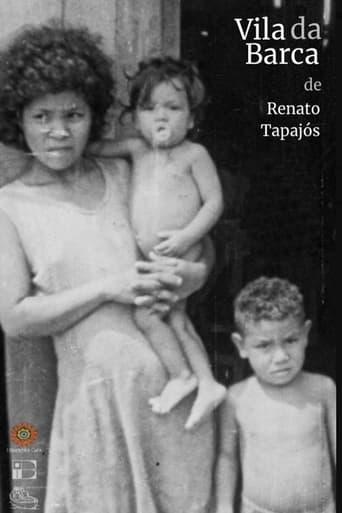
The first work by documentary master Renato Tapajós, "Vila da Barca" focuses on the daily struggles faced by the people who live on the shanty town of Vila da Barca, Pará, Brazil.
Vila da Barca
1964
 6.0
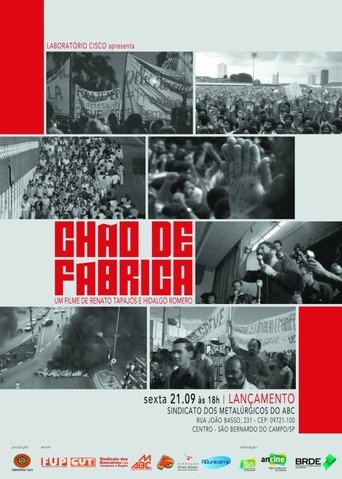
Documentary on the history of syndicalism in Brazil.
Chão de Fábrica
2018
Behind the camera
7.0A sophisticated couple opens their marriage to new erotic adventures.
Emmanuelle Tropical
1977
10.0Corte Seco, Renato Tapajós' first fictional feature, takes place in 1969 and accompanies Rodrigo, a militant active in the fight against oppression and in favor of the removal of the military government. In this fight, everything was possible: invasion of radio studios to transmit a rebellious message; kidnapping of ambassadors promoted by groups, the so-called apparatuses; assault on banks to finance such activities.
Corte Seco
2014
NR...discussion of leftist attitudes towards democracy and popular movements; in parallel, a discussion about the role of militant cinema in relation to real political struggles.
Nada Será como Antes, Nada?
1984
NR...discussion of leftist attitudes towards democracy and popular movements; in parallel, a discussion about the role of militant cinema in relation to real political struggles.
Nada Será como Antes, Nada?
1984
10.0No synopsis available yet.
Em Nome da Segurança Nacional
1985
10.0No synopsis available yet.
Em Nome da Segurança Nacional
1985
NRThe first work by documentary master Renato Tapajós, "Vila da Barca" focuses on the daily struggles faced by the people who live on the shanty town of Vila da Barca, Pará, Brazil.
Vila da Barca
1964
6.0Documentary on the history of syndicalism in Brazil.
Chão de Fábrica
2018
 NR
The documentary covers the first phase of the brazilian metalworkers' strike in 1979. It was made to be shown to the workers during the truce between the two phases of the strike, with the aim of mobilizing them for the second phase. The film shows the large assemblies, with more than 100 thousand metalworkers, in the Vila Euclides field, in São Bernardo do Campo; the mobilization for a vigil at the Union; the resulting street conflicts and the triumphant return of the board, headed by Lula, in the great assembly in which the truce was proposed.
Que Ninguém, Nunca Mais, Ouse Duvidar da Capacidade de Luta dos Trabalhadores
1979
A documentary about torture and Brazilian police.
A Humilhação e a Dor
1987
A documentary about torture and Brazilian police.
A Humilhação e a Dor
1987
 7.0
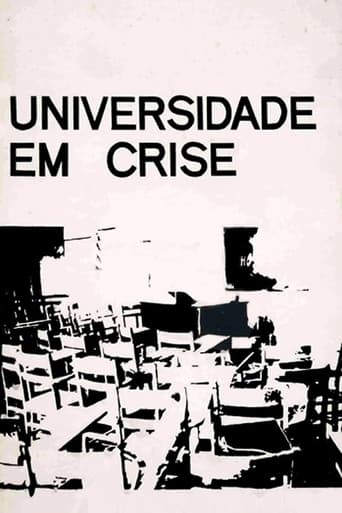
No synopsis available yet.
Universidade em Crise
1965
 6.0
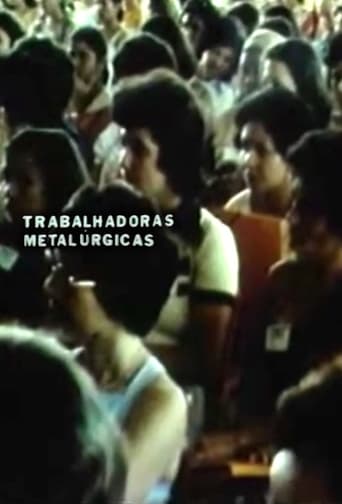
In the late seventies, a group of Brazilian documentary filmmakers traveled to the ABC region in the suburbs of São Paulo with the purpose of recording a wave of worker strikes taking place in response to the negligence of the increasingly powerful and abusive automotive industry. Documenting striking women metal workers, Olga Futemma and Renato Tapajós’ Trabalhadoras Metalúrgicas is a particularly vigorous work among the films produced during this moment in São Paulo worker history. Scenes filmed during the first Congress of Metallurgical Women of São Bernardo and Diadema in 1978 are intercut with images documenting the appalling working conditions against which the women featured in the congress were striking.
Women Metalworkers
1978
 NR
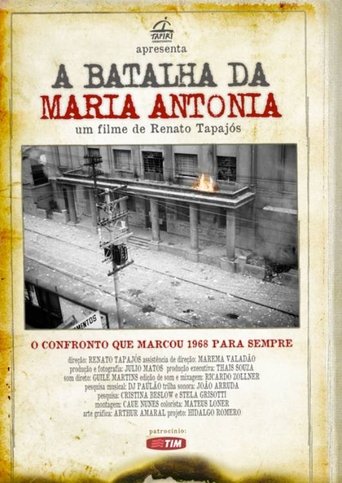
The documentary portrays the confrontation of students with agents of the military regime, which became known as "The Battle of Maria Antônia". The event took place at Maria Antônia Street, which housed the Faculty of Philosophy of USP and the Mackenzie Presbiterian University, ended with the death of the student José Guimarães and the arson of the Faculty of Philosophy.
A Batalha da Maria Antônia
2014
NRThe documentary portrays the confrontation of students with agents of the military regime, which became known as "The Battle of Maria Antônia". The event took place at Maria Antônia Street, which housed the Faculty of Philosophy of USP and the Mackenzie Presbiterian University, ended with the death of the student José Guimarães and the arson of the Faculty of Philosophy.
A Batalha da Maria Antônia
2014
 5.0
No synopsis available yet.
Acidente de Trabalho
1977
5.0No synopsis available yet.
Acidente de Trabalho
1977
 6.0
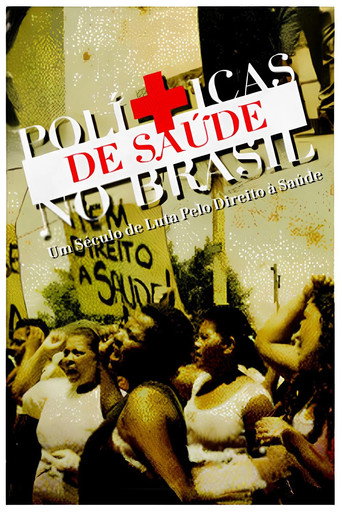
The documentary is a production that addresses the evolution of health policies in Brazil, highlighting how health practices were implemented and evolved from being seen as an individual duty to a right guaranteed by the state. The film uses a fictional narrative with period reconstruction and is supported by archival material to illustrate the changes in health policies over time. The film's language adapts to the predominant media of each depicted period, such as newspapers, radio, black-and-white TV, color TV, and finally, the internet. It was produced through the initiative of the Secretariat of Strategic and Participative Management of the Ministry of Health, in partnership with the Organização Pan-Americana da Saúde (OPAS) and the Universidade Federal Fluminense (UFF). It is intended for free distribution, especially focusing on Health Councils, educational institutions, and social movements. A version with Spanish and English subtitles is under discussion to expand its reach.
Health Policies in Brazil: A Century of Struggle for the Right to Health
2006
 5.0
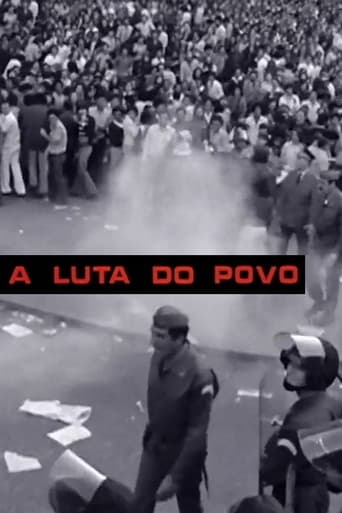
Short documentary on workers' movement in Brazil in the 1970s, such as the Movement Against Famine, and the policial repression against demonstrators and activists.
A Luta do Povo
1980
 NR
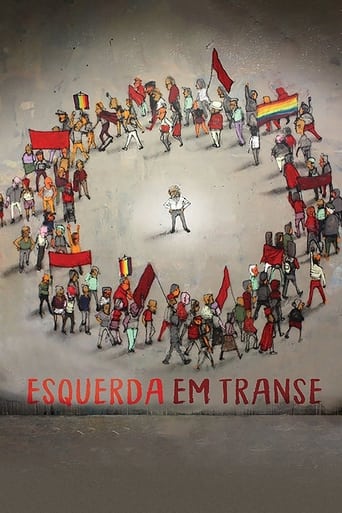
No synopsis available yet.
Esquerda em Transe
2019
 5.0
Documentary about the self construction in peripheral neighborhoods of São Paulo. It gathers statements of residents of three areas: Taboão neighborhood in São Bernardo do Campo; Jardim d’Ávila in Osasco and Jardim Castilho in Embu. The film registers the life conditions in those areas and the sacrifice the workers are committed to in order to fulfill their dream of having a house: building, little by little, with the help of friends and relatives, on the weekends.
Fim de Semana
1976
5.0Documentary about the self construction in peripheral neighborhoods of São Paulo. It gathers statements of residents of three areas: Taboão neighborhood in São Bernardo do Campo; Jardim d’Ávila in Osasco and Jardim Castilho in Embu. The film registers the life conditions in those areas and the sacrifice the workers are committed to in order to fulfill their dream of having a house: building, little by little, with the help of friends and relatives, on the weekends.
Fim de Semana
1976
 7.4
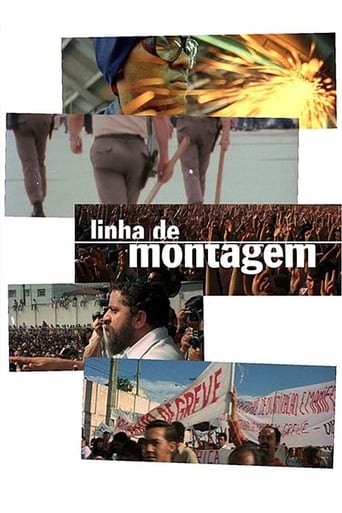
Documentary about the strikes that took place in São Bernardo do Campo, in the State of São Paulo, Brazil, circa 1979/1980. That moment was of utmost importance, since it revealed a Union leader, Luís Inácio "Lula" da Silva, who would later become President of Brazil. It was also the moment when PT, the Workers' Party, became a relevant political force in Brazil.
Linha de Montagem
1982
7.4Documentary about the strikes that took place in São Bernardo do Campo, in the State of São Paulo, Brazil, circa 1979/1980. That moment was of utmost importance, since it revealed a Union leader, Luís Inácio "Lula" da Silva, who would later become President of Brazil. It was also the moment when PT, the Workers' Party, became a relevant political force in Brazil.
Linha de Montagem
1982
 NR
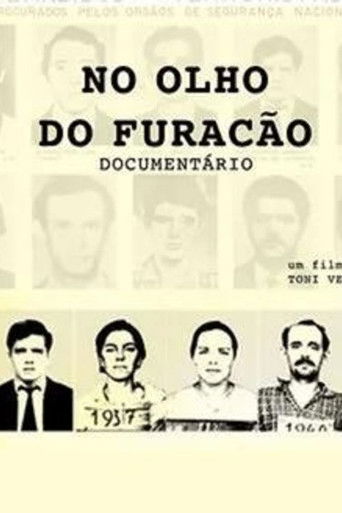
A documentary that follows former members from guerrilla movements that fought against the military dictatorship in Brazil between late 1960's and early 1970's. They share stories about their routine and daily lives beyond the armed combat.
No Olho do Furacão
2003
NRA documentary that follows former members from guerrilla movements that fought against the military dictatorship in Brazil between late 1960's and early 1970's. They share stories about their routine and daily lives beyond the armed combat.
No Olho do Furacão
2003
 NR
No synopsis available yet.
O Rosto no Espelho
2009
No synopsis available yet.
CUT Pela Base
1983
 5.0
Four generations of the Japanese woman: the struggle for survival, the cult of traditions, adaptation to the city and cultural dilution.
Retratos de Hideko
1981