
Directing
Ayhan Salar
Born
1967-12-18 (58)
Place of birth
Izmir, Turkey
Known for
Directing
Credits
8 titles
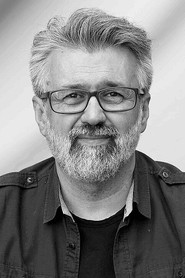
Ayhan Salar was born in Izmir, Turkey. He has lived in Germany since 1973. He studied at the Faculty of Social and Cultural Sciences of the University of Bremen and the Bremen Film Academy, specializing in cinematography. He has been working in the film industry since 1989. He is the director of "Salarfilm".
Known for
 NR
A young woman waits for her husband to return from one of his regular business trips. However, he never shows up, and her joyful anticipation of seeing him develops into questioning concern and ultimately paralysing fear. The empty apartment becomes a labyrinth of memory and expectation, its silence broken only by the agonising sound of car engines, none of which announce her husband’s arrival…
Verge
2017
 6.0
1945. The women do the work in a remote village while the men are fighting the Nazis. A small group of deserters is hiding in the mountains and little Bahtiyar acts as the liaison between the men and the village.
Sughra and Her Sons
2021
A Turkish immigrant worker has died 1965. The preparation of the body is contrasted with a letter written by his wife in Turkey, which describes the situation and expectations of his family in the homeland. The presentation creates the atmosphere of a parable in which the parting of immigrant worker from his homeland is described, but which could just as well be his return home, as a corpse. The story revolves around the ambivalence of parting and the divergence between the actual events of life and the expectancy and hopes one has of this life. This is shown through the comparison between the hard fact of the immigrant's death and his wife's hopeful expectations of him and his successful return.
Totentraum
1995
 NR
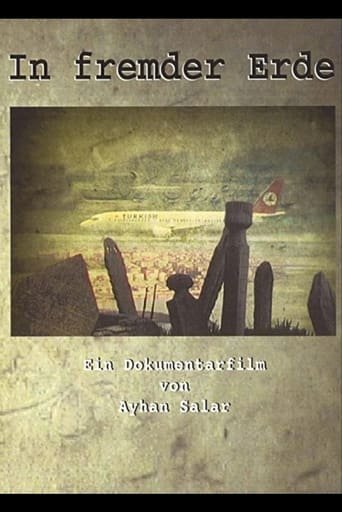
In fremder Erde (In Foreign Soil) documents the Muslim traditions of burial in Turkey and Germany, but above all, the paths the dead take to return to Anatolian soil.
In Foreign Soil
2001
Behind the camera
NRA young woman waits for her husband to return from one of his regular business trips. However, he never shows up, and her joyful anticipation of seeing him develops into questioning concern and ultimately paralysing fear. The empty apartment becomes a labyrinth of memory and expectation, its silence broken only by the agonising sound of car engines, none of which announce her husband’s arrival…
Verge
2017
6.01945. The women do the work in a remote village while the men are fighting the Nazis. A small group of deserters is hiding in the mountains and little Bahtiyar acts as the liaison between the men and the village.
Sughra and Her Sons
2021
A Turkish immigrant worker has died 1965. The preparation of the body is contrasted with a letter written by his wife in Turkey, which describes the situation and expectations of his family in the homeland. The presentation creates the atmosphere of a parable in which the parting of immigrant worker from his homeland is described, but which could just as well be his return home, as a corpse. The story revolves around the ambivalence of parting and the divergence between the actual events of life and the expectancy and hopes one has of this life. This is shown through the comparison between the hard fact of the immigrant's death and his wife's hopeful expectations of him and his successful return.
Totentraum
1995
NRIn fremder Erde (In Foreign Soil) documents the Muslim traditions of burial in Turkey and Germany, but above all, the paths the dead take to return to Anatolian soil.
In Foreign Soil
2001
NRIn fremder Erde (In Foreign Soil) documents the Muslim traditions of burial in Turkey and Germany, but above all, the paths the dead take to return to Anatolian soil.
In Foreign Soil
2001