
Directing
Ernest Ansorge
Known for
Directing
Credits
35 titles
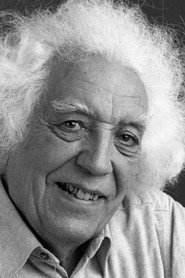
Ernest Ansorge was born on February 28, 1925 in Lausanne, Switzerland. He was a director and writer, known for D'un jour à l'autre (1974), Fantasmatic (1971) and Collection Ansorge (2024). He died on December 26, 2013 in Switzerland.
Known for
 NR
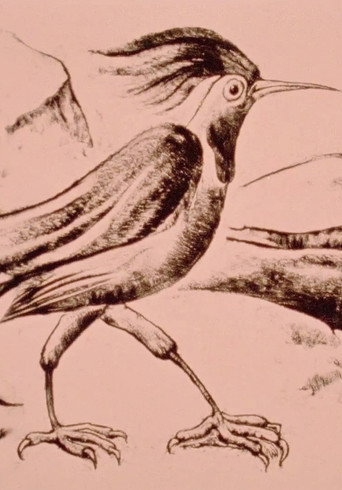
A caricature of people who cannot understand each other despite being in love. This film was part of a portrait of Othmar Schoeck, produced by the German Swiss Television music department.
The Violet
1981
 8.0
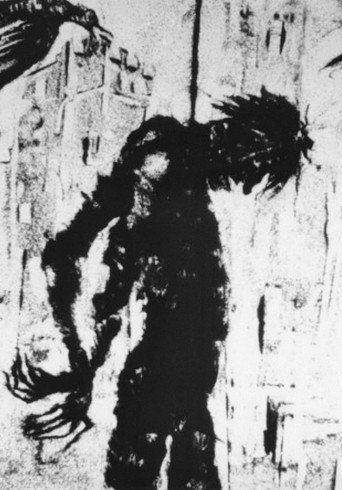
The Ravens was the couple's first sand animation film and the prelude to a unique work.
The Ravens
1967
 NR
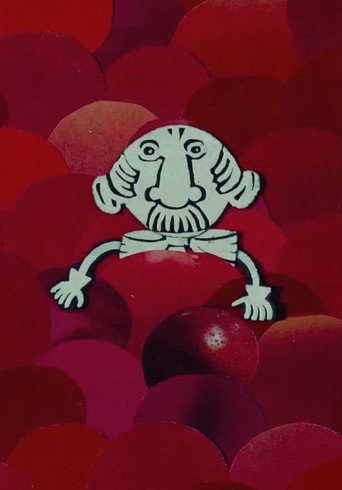
Commissioned by the Swiss Chamber of Watchmaking to encourage vocations among young people in the sector, the film features a wild animal tamer based on a screenplay by Emmanuel Gottraux. Gisèle and Nag Ansorge here bring to life the paper cut-outs designed by Jean Monod, and Thierry Fervant creates his first film music for the couple, starting a collaboration with them up to their latest productions.
Tempus
1969
 NR
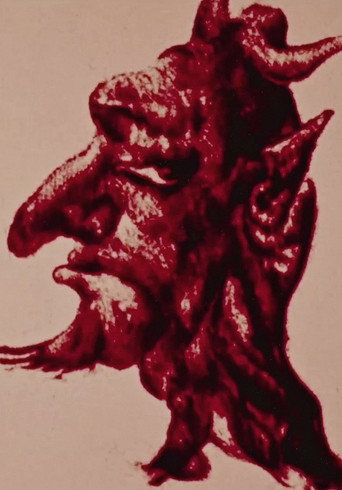
Since the time immemorial, man bears a woman-image within himself. And from birth to death, that image deteriorates at the rhythm of life, in the manner of a train gone wild: the end of its acceleration only comes with the abrupt breakdown of its worn-out mechanism.
Anima
1977
 7.0
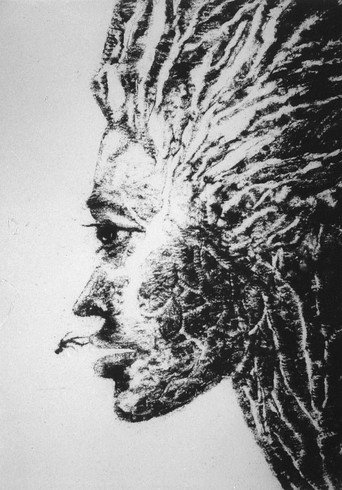
Surreal animation with sand and metal slivers by Ernest Ansorge, Gisèle Ansorge
Fantasmatic
1969
 NR
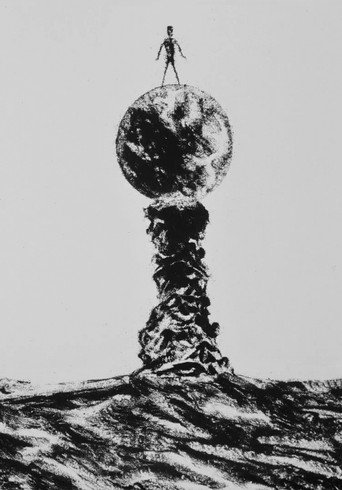
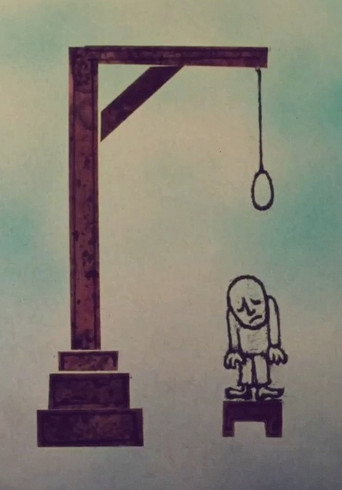
This is a single-frame film. Even if man can live on the edge of a violent and expansionistic society that he objects to, he will nevertheless end up "in agreement with his fellow men."
Alunissons
1970
Behind the camera
NRA caricature of people who cannot understand each other despite being in love. This film was part of a portrait of Othmar Schoeck, produced by the German Swiss Television music department.
The Violet
1981
8.0The Ravens was the couple's first sand animation film and the prelude to a unique work.
The Ravens
1967
NRCommissioned by the Swiss Chamber of Watchmaking to encourage vocations among young people in the sector, the film features a wild animal tamer based on a screenplay by Emmanuel Gottraux. Gisèle and Nag Ansorge here bring to life the paper cut-outs designed by Jean Monod, and Thierry Fervant creates his first film music for the couple, starting a collaboration with them up to their latest productions.
Tempus
1969
NRSince the time immemorial, man bears a woman-image within himself. And from birth to death, that image deteriorates at the rhythm of life, in the manner of a train gone wild: the end of its acceleration only comes with the abrupt breakdown of its worn-out mechanism.
Anima
1977
7.0Surreal animation with sand and metal slivers by Ernest Ansorge, Gisèle Ansorge
Fantasmatic
1969
7.0Surreal animation with sand and metal slivers by Ernest Ansorge, Gisèle Ansorge
Fantasmatic
1969
NRThis is a single-frame film. Even if man can live on the edge of a violent and expansionistic society that he objects to, he will nevertheless end up "in agreement with his fellow men."
Alunissons
1970
Thirteen Swiss filmmakers, each from their own point of view, chronicle and reconstruct the narrative of Swiss cinema, from its beginning to the present day, and in doing so, retrace the history of the country.
Le film du cinéma suisse
1991
 6.6
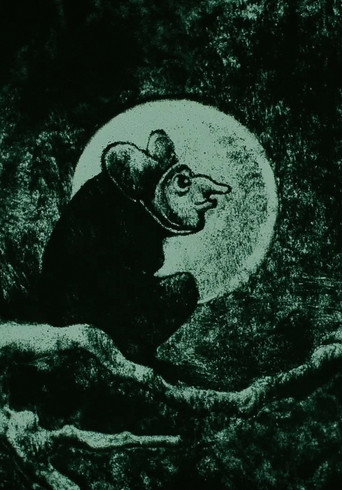
A dream-like version of the Sabbath in the Middle Ages: one night at full moon, the women leave home to meet with the devil in the woods. Several orgiastic ceremonies later, they all return home at cockcrow. All except for one, the youngest, who is under an evil spell.
Sabbath
1991
 NR
The adventures of a cat, who can transform into something else when a certain melody is played on the flute.
The Chameleon Cat
1975
NRThe adventures of a cat, who can transform into something else when a certain melody is played on the flute.
The Chameleon Cat
1975
A young "social investigator" meets a bohemian Englishman who decides to move in with her, disrupting her daily life and challenging her lifestyle and values.
D'un jour à l'autre
1974
A young "social investigator" meets a bohemian Englishman who decides to move in with her, disrupting her daily life and challenging her lifestyle and values.
D'un jour à l'autre
1974
The tentants of a block of low rental housing lead their daily lives without ever meeting each other. A succession of strange events make them suspicious. They discover that a crow is responsible. They decide to catch it. After its disappearance they will be able to meet and talk together.
H.L.M. Quiproquo
2005
The story follows a beggar who is invited and taken in by a dancer, who introduces him to her sophisticated world and draws him into an atmosphere of fantasy and dance. However, the magic of the moment is abruptly shattered when the protagonist awakens, revealing that the entire idyll and warmth of the encounter were merely a beautiful dream amidst his harsh reality.
The Dancer and the Beggar
1958
The short film is a direct adaptation of the famous European folk legend of the "Devil's Bridge." It tells the story of a village or a group of monks who attempt to build a bridge over a chasm or a turbulent river, but everything they build during the day is mysteriously destroyed by the Devil at night.
The Legend of Devil's Bridge
1959
 NR
Through a purely conceptual, poetic exercise imbued with subtle irony, the short film explores and deconstructs the routines, daily tensions, and habitual dynamics of cohabitation and roles within the home. Using the fluid movement of grains of sand on a light table, the Ansorge brothers capture in a few moments the cyclical nature, repetition, and micro-interactions that shape intimate family and domestic life.
Scenes from Domestic Life
1980
NRThrough a purely conceptual, poetic exercise imbued with subtle irony, the short film explores and deconstructs the routines, daily tensions, and habitual dynamics of cohabitation and roles within the home. Using the fluid movement of grains of sand on a light table, the Ansorge brothers capture in a few moments the cyclical nature, repetition, and micro-interactions that shape intimate family and domestic life.
Scenes from Domestic Life
1980
 NR
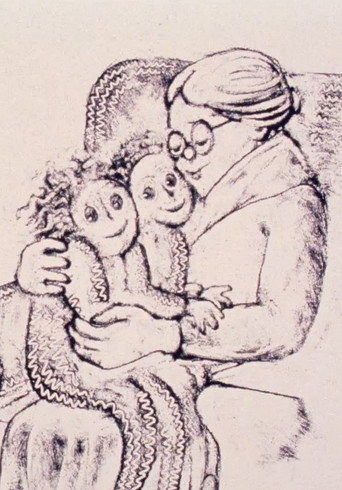
Alone and with no roof over her head, Granny knits a house and two little children out of her wool. Her children are so different from the norm that the school, the entire village and even the authorities reject them. Discouraged, Granny unravels everthing.
The Wool Children
1984
A commissioned work of a documentary and educational nature that Ernest and Gisèle Ansorge made in the first stage of their career, just before they moved to Etagnières in the late 1950s and revolutionized the world of animation with their famous quartz sand dust technique.
The Fight Against Pain
1957
 7.0
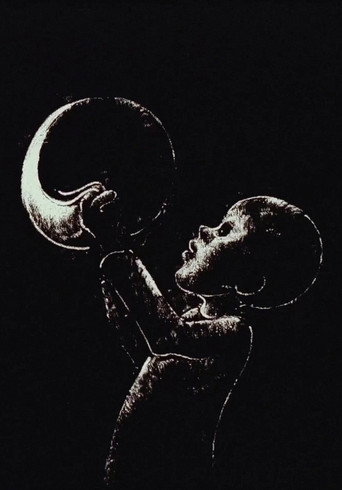
A young boy, displaying remarkable skill with a lasso, manages to catch and tie up the moon, dragging it forcefully to Earth. His prank unleashes absolute panic among the forest animals and baffles the inhabitants of a nearby village. The king publicly declares that a child has stolen the satellite, but the boy decides to hide his great prize inside a leather sack to keep it safe.
The Boy Who Stole the Moon
1988
Pam et Poum (1957) is the first animated short film conceived by the Swiss couple Gisèle and Ernest "Nag" Ansorge. The project was born entirely in their own apartment, a self-taught endeavor after they discovered the puppetry work of the Czech master Jiří Trnka. The story follows the interactions and small adventures of a stuffed bear and monkey named Pam and Poum. Instead of building an artificial set from scratch, the filmmakers used the furniture, corners, and atmosphere of their own Lausanne apartment as a real-life setting for the figures, bringing the toys to life through frame-by-frame animation. The puppets used originally belonged to Gisèle's nephew.
Pam and Poum
1957
A film by Ernest Ansorge and Gisèle Ansorge.
Alchemia
1991
 NR
A highly distinctive documentary, conceived as both a making-of and an intimate visual essay, the film dispenses with any fictional narrative to delve into the intimacy of the couple's studio in Etagnières. In it, Ernest "Nag" Ansorge takes the camera to film his wife, Gisèle, in detail during her creative process. The footage captures the patience, precision, and magic of her hands as she works directly on the light table positioned beneath the camera, meticulously detailing the technique of painting, spreading, and modifying the fine grains of quartz sand powder frame by frame.
Gisèle Ansorge at Work
1979
NRA highly distinctive documentary, conceived as both a making-of and an intimate visual essay, the film dispenses with any fictional narrative to delve into the intimacy of the couple's studio in Etagnières. In it, Ernest "Nag" Ansorge takes the camera to film his wife, Gisèle, in detail during her creative process. The footage captures the patience, precision, and magic of her hands as she works directly on the light table positioned beneath the camera, meticulously detailing the technique of painting, spreading, and modifying the fine grains of quartz sand powder frame by frame.
Gisèle Ansorge at Work
1979
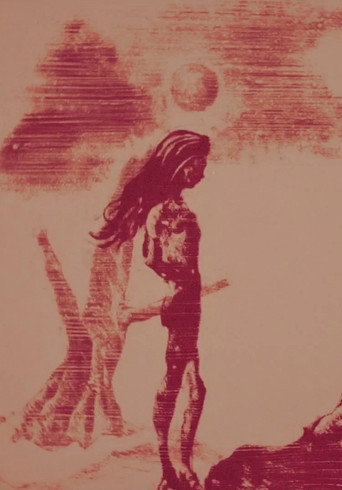 NR
My first smile comes from a man of peace, my second from a thinker, and my third from a demon. The whole thing is a recap of deep, (very) dark humour.
Smile 1, 2 & 3
1975
The film functions as a didactic visual compendium designed to break down and teach the workings behind the different stop-motion animation methodologies. In it, the Ansorge couple demonstrates, in a practical and explanatory way, a wide variety of artistic processes of the time: from traditional cel animation, through the use of still photographs, to their own specialties such as classic stop-motion with three-dimensional puppets and cut-out figures.
Techniques of Animation
1959
A panorama of Swiss animation from 1920 to the present, created for the Swiss Confederation's 700th anniversary. A look at the very roots of the national identity through some of the most memorable films.
Essai d'animation de sable pour "Alchemia"
1991
Patients at a psychiatric hospital depict their impressions of a day in pictures.
Bonjour mon oeil !
1964