

Acting
Nelson Gonçalves
Born — Died
1919-06-21 — 1998-04-18
Place of birth
Santana do Livramento, Rio Grande do Sul, Brazil
Known for
Acting
Credits
17 titles
Known for
 8.0
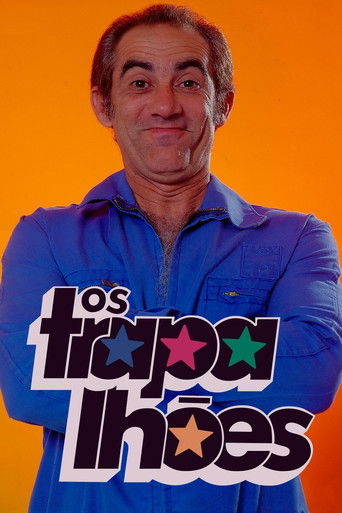
Os Trapalhões was a Brazilian comedy group and also a Brazilian television series created by Wilton Franco. Its members were Dedé Santana, Zacarias, Mussum and their leader Didi Mocó, that was played by Renato Aragão. The name Trapalhões is derived from the Portuguese verb atrapalhar, which means the opposite of helping, to do something the wrong way or to Those that confuse. The name is translated "Tramps" in English DVD subtitles. It was aired by Rede Globo from 1977 to 1999. On March 18, 1990, Zacarias died due to respiratory failure, but the group and the series didn't come to an end until July 29, 1994, when Mussum died due to an unsuccessful heart transplant.
The Trapalhões
1977
 8.0
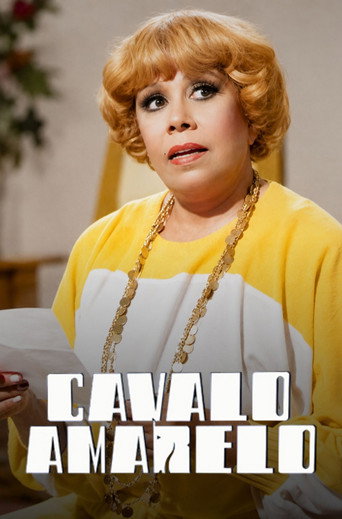
The irreverent Dulcinéa struggles to keep her revue theater, *Mambembe*, afloat; the building itself belongs to the traditional Maldonado family. The patriarch, Salvador Maldonado—a conservative man—keeps a tight rein on the clan, maintaining control over both the business and his children: Joana, an elegant and snobbish woman who is the staunchest defender of the views held by Pops, as the children call him; Téo, who has always silently submitted to the old man's high-handedness; Walter, dominated by his older sister and his father's favorite; and Lalucha, the youngest, a film student who challenges the status quo and rebels against the family's stuffy conservatism.
Cavalo Amarelo
1980
 7.0
No synopsis available yet.
Estou Aí?
1949
No synopsis available yet.
Moleque Tião
1943
 5.7
No synopsis available yet.
Mulheres à Vista
1959
 10.0
No synopsis available yet.
Folias Cariocas
1948
Film credits

1990s · 1 titles
1960s · 1 titles

1950s · 6 titles
5.7No synopsis available yet.
Mulheres à Vista
1959
 8.0
No synopsis available yet.
Carnival in A Major
1955
 9.0
No synopsis available yet.
O Camelô da Rua Larga
1958
 6.7
Alligator raiser from the state of Mato Grosso, Brazil, travels to his nephew's, and takes the maid Etelvina for his nephew's wife.
Shut Up, Etelvina
1958
 5.0
No synopsis available yet.
Carnival in Caxias
1954
 6.5
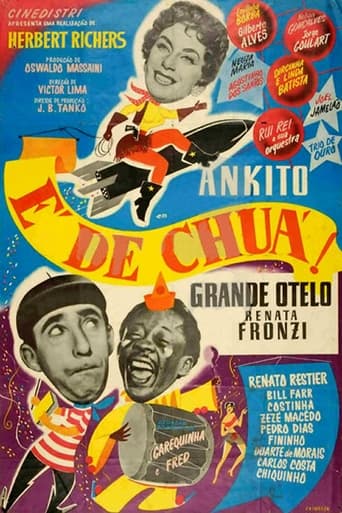
The film narrates the adventures of the trickster Juca Moleza in the carnival while he has to deal with the consequences of the scams he applied to people of high society.
É de Chuá!
1958
1940s · 5 titles
7.0No synopsis available yet.
Estou Aí?
1949
No synopsis available yet.
Moleque Tião
1943
10.0No synopsis available yet.
Folias Cariocas
1948
 8.0
A man dies and in heaven receives the mission of helping his former boss love life.
Fantasma por Acaso
1946
 10.0
A Brazilian musical comedy
The World is a Tambourine
1947
Series credits
8.0Os Trapalhões was a Brazilian comedy group and also a Brazilian television series created by Wilton Franco. Its members were Dedé Santana, Zacarias, Mussum and their leader Didi Mocó, that was played by Renato Aragão. The name Trapalhões is derived from the Portuguese verb atrapalhar, which means the opposite of helping, to do something the wrong way or to Those that confuse. The name is translated "Tramps" in English DVD subtitles. It was aired by Rede Globo from 1977 to 1999. On March 18, 1990, Zacarias died due to respiratory failure, but the group and the series didn't come to an end until July 29, 1994, when Mussum died due to an unsuccessful heart transplant.
The Trapalhões
1977
8.0The irreverent Dulcinéa struggles to keep her revue theater, *Mambembe*, afloat; the building itself belongs to the traditional Maldonado family. The patriarch, Salvador Maldonado—a conservative man—keeps a tight rein on the clan, maintaining control over both the business and his children: Joana, an elegant and snobbish woman who is the staunchest defender of the views held by Pops, as the children call him; Téo, who has always silently submitted to the old man's high-handedness; Walter, dominated by his older sister and his father's favorite; and Lalucha, the youngest, a film student who challenges the status quo and rebels against the family's stuffy conservatism.
Cavalo Amarelo
1980