
Directing
Luís Filipe Costa
Born — Died
1936-03-18 — 2020-07-21
Place of birth
Lisboa, Portugal
Known for
Directing
Credits
19 titles
Known for
 10.0
Are the Portuguese afraid of the changes after the Estado Novo dictatorship?
Jaz Morto e Arrefece
1989
 10.0
Set during the Estado Novo dictatorship, in the night of April 24, Pedro hears that the political police, PIDE, assaulted his house. Fearing of what his fate may be, Pedro runs, looking for a place to hide.
Fuga
1999
 3.7
Have you ever had a crush on the man frisking you at the airport? What would you do to get strip searched in that back room without being sent to jail? Frequent Traveler brilliantly and silently explores the answer to this question.
Frequent Traveller
2008
 5.0
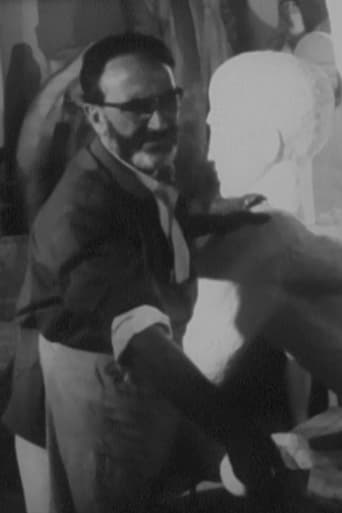
Documentary about the sculptor António Duarte
António Duarte
1969
No synopsis available yet.
Muito Tarde para Ficar Só
—
A biographical documentary, which shows Raul Solnado in the first person, with testimonies from Artur Ramos, Maria do Céu Guerra, Leonor Xavier, among others.
Raul Solnado - O Estado da Graça
—
Film credits
2000s · 2 titles
3.7Have you ever had a crush on the man frisking you at the airport? What would you do to get strip searched in that back room without being sent to jail? Frequent Traveler brilliantly and silently explores the answer to this question.
Frequent Traveller
2008
 8.0
The operational commander of the "Captains Movement", describes and recreates a quarter of century later the crucial 24 hours of April 25, 1974, that would topple the Portuguese government and start a democratic regime in Portugal - since another military coup, May 28, 1926, installed a one-party dictatorship there. The scenes in the claustrophobic operation room are recreated, with him alone and a few voices.
A Noite do Golpe de Estado
2001


Behind the camera
10.0Are the Portuguese afraid of the changes after the Estado Novo dictatorship?
Jaz Morto e Arrefece
1989
10.0Are the Portuguese afraid of the changes after the Estado Novo dictatorship?
Jaz Morto e Arrefece
1989
10.0Set during the Estado Novo dictatorship, in the night of April 24, Pedro hears that the political police, PIDE, assaulted his house. Fearing of what his fate may be, Pedro runs, looking for a place to hide.
Fuga
1999
10.0Set during the Estado Novo dictatorship, in the night of April 24, Pedro hears that the political police, PIDE, assaulted his house. Fearing of what his fate may be, Pedro runs, looking for a place to hide.
Fuga
1999
No synopsis available yet.
Muito Tarde para Ficar Só
—
A biographical documentary, which shows Raul Solnado in the first person, with testimonies from Artur Ramos, Maria do Céu Guerra, Leonor Xavier, among others.
Raul Solnado - O Estado da Graça
—
A biographical documentary, which shows Raul Solnado in the first person, with testimonies from Artur Ramos, Maria do Céu Guerra, Leonor Xavier, among others.
Raul Solnado - O Estado da Graça
—
 10.0
Entangled in crime since childhood, Zeca Mouro experienced probation, reform school, and jail through expediency and marginality. His life is thus defined by crime and atonement.
Morte D'Homem
1985
10.0Entangled in crime since childhood, Zeca Mouro experienced probation, reform school, and jail through expediency and marginality. His life is thus defined by crime and atonement.
Morte D'Homem
1985
Colonial war in Africa. During a patrol, in the woods, a Portuguese soldier steps on a mine, that will explode when he raises his foot...
Era Uma Vez Um Alferes
1987
"The Butterfly in the Cage" is a novel by Luís Filipe Costa adapted to film by the author, it follows the daily lives of several people connected to newspapers, television, film and theater in Lisbon, in the days leading up to the revolution of 25 April 1974.
A Borboleta na Gaiola
1987
"The Butterfly in the Cage" is a novel by Luís Filipe Costa adapted to film by the author, it follows the daily lives of several people connected to newspapers, television, film and theater in Lisbon, in the days leading up to the revolution of 25 April 1974.
A Borboleta na Gaiola
1987
 NR
The film revives the name of a show staged in 1977, the same year the film was produced, which brought together an impressive cast of singers, poets, and composers in a moment of reflection and evocation of the revolutionary process. With music and lyrics by artists such as José Mário Branco, Zeca Afonso, Paulo de Carvalho, and Fernando Tordo, and performances by Carlos Paredes, Tonicha, Ary dos Santos, Adriano Correia de Oliveira, and the Mineiros de Aljustrel.
25 Canções de Abril
—