
Production
Serkan Çakarer
Born
1973-01-01 (53)
Place of birth
İstanbul, Türkiye
Known for
Production
Credits
3 titles
Known for
 7.1
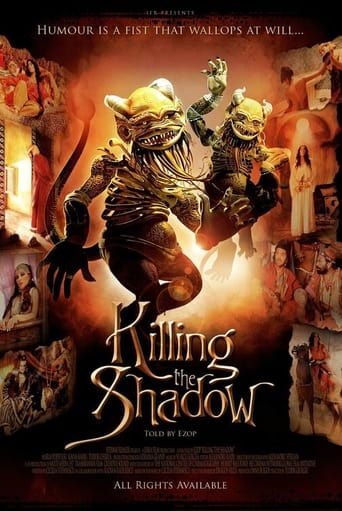
Killing The Shadows is a bawdy comic fable set in the Ottoman Empire during the mid-14th century based on two legendary figures in Turkish folkore, the jester Hacivat (Beyazit Ozturk) and the nomad Karagoz (Haluk Bilginer), men who apparently lived and died by their sense of humour.
Killing the Shadows
2006
 6.2
In the heart of Istanbul's prison, Zakir controls the letters prisoners receive. His average day is spent between the censorship office, his colleagues and his evening writing class. For a writing assignment, he steals a photo from one of the letters, in which appears Selma, an inmate's wife. More than an inspiration, she becomes an obsession for Zakir. He observes her, makes up stories, and imagines the worst to the extent that he puts himself at great risk.
Passed by Censor
2019
 6.4
Turkish film industry has been experiencing a breakthrough in the last ten years. According to 2015 figures, there is a bold uptrend in terms of viewers and film production. Yet without any regulations at work, this growth only made injustices in distribution bigger. While a single cinema chain controls more then 50% of the market, it also started to control distribution and production. In this monopolized environment, there seems to be no country for independent production. With the guidance of producers, distributors, and economists, the film traces the distortion created by the bad economy that has become an obstacle for freedom of choice.
Only Blockbusters Left Alive: Monopolizing Film Distribution in Turkey
2016
Film credits
Behind the camera
7.1Killing The Shadows is a bawdy comic fable set in the Ottoman Empire during the mid-14th century based on two legendary figures in Turkish folkore, the jester Hacivat (Beyazit Ozturk) and the nomad Karagoz (Haluk Bilginer), men who apparently lived and died by their sense of humour.
Killing the Shadows
2006
6.2In the heart of Istanbul's prison, Zakir controls the letters prisoners receive. His average day is spent between the censorship office, his colleagues and his evening writing class. For a writing assignment, he steals a photo from one of the letters, in which appears Selma, an inmate's wife. More than an inspiration, she becomes an obsession for Zakir. He observes her, makes up stories, and imagines the worst to the extent that he puts himself at great risk.
Passed by Censor
2019